Relocating to Slovakia and realizing you need a loan feels disorienting. The banking system works differently here, and the rules aren’t written for outsiders.
Bank loans in Slovakia carry specific eligibility barriers that trip up foreign applicants. Knowing those barriers in advance saves weeks of wasted paperwork.



I would argue that the biggest mistake expats make with Slovak bank loans is applying to too many lenders at once. More on that shortly.
This guide breaks down loan types, real costs, and the approval process so you can borrow without nasty surprises.
How Slovak Banks Score Loan Applications and Where Expats Get Stuck
Getting a bank loan in Slovakia starts the same way it does anywhere: the bank checks whether you can pay it back.
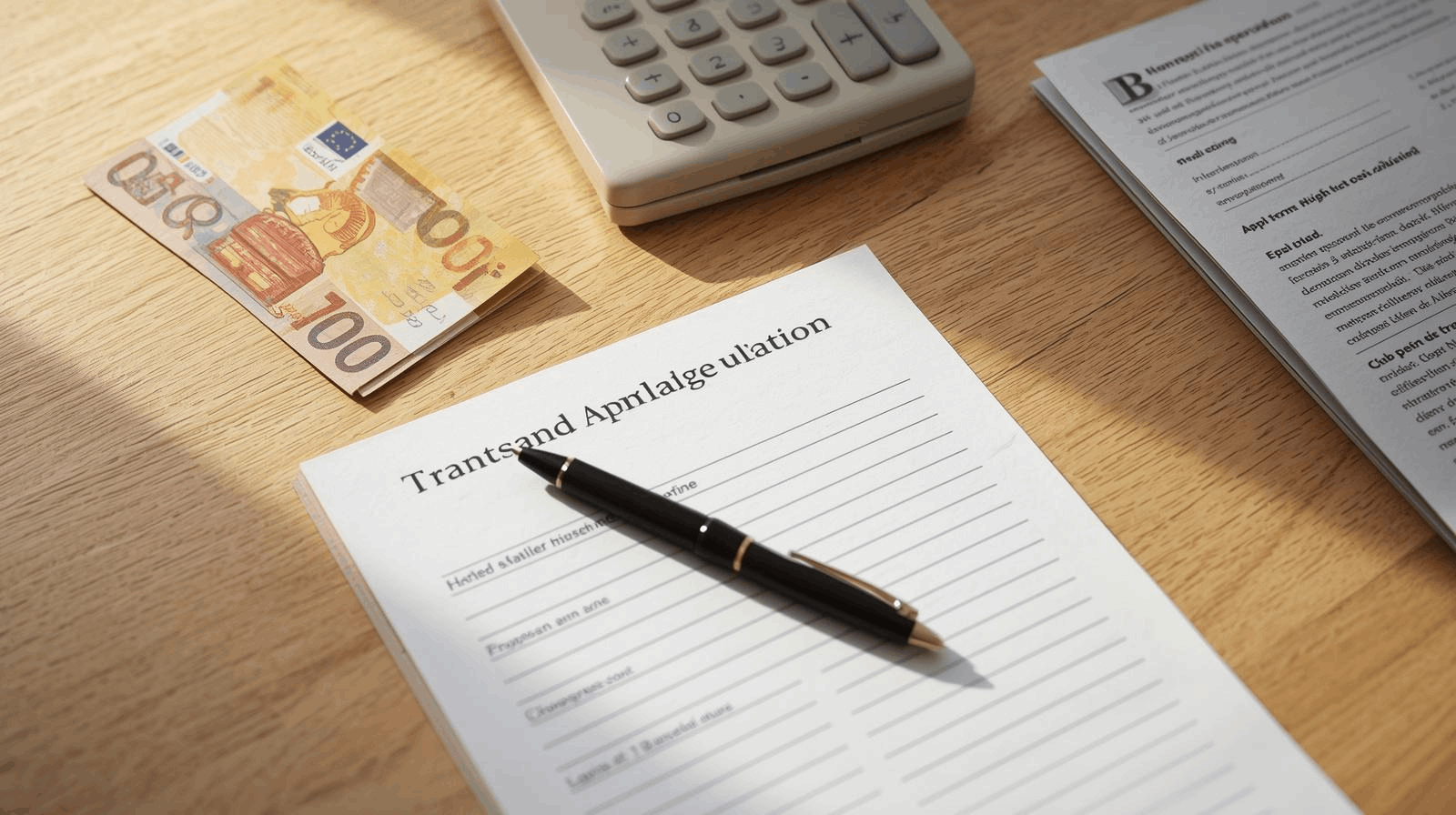
But Slovak lenders use a few filters that catch newcomers off guard, and the documentation requirements go deeper than a simple payslip.
Banks typically require applicants to be at least 18 years old, hold a valid residence permit, and show proof of stable income.
That last part is where the friction lives. A three-month employment contract won’t cut it at Slovenská sporiteľňa or Tatra banka. Lenders want to see continuity.
The Debt-to-Income Cap That Trips Up First-Time Borrowers
Slovakia’s banking regulator, the National Bank of Slovakia, enforces strict debt-to-income (DTI) limits on consumer lending.
This means even if your salary looks solid, existing debts like car payments or credit card balances in your home country can push your DTI ratio past the threshold.
The catch for expats: some banks count foreign obligations toward your DTI calculation. Others ignore them entirely because they can’t verify them.
This inconsistency between lenders creates a strange situation where rejection at one bank means nothing about your chances at another.
EU Citizens vs. Non-EU Applicants
EU passport holders generally face a smoother path. The paperwork mirrors what a Slovak citizen submits: valid ID, proof of income, recent bank statements, and sometimes a guarantor.
Non-EU residents deal with a heavier stack. Expect requests for your residence card, translated employment contracts, and occasionally a letter from your employer confirming contract length.
A guarantor requirement becomes more likely if your Slovak credit history is thin or nonexistent.
The standard documents banks ask for include:
- Valid ID or passport (plus residence permit for non-EU citizens)
- Proof of income such as payslips, employer contracts, or tax returns for self-employed applicants
- Recent bank statements covering at least the past three months
- Property documents if applying for a mortgage or secured loan
Banks sometimes change requirements without updating their English-language pages, so calling the branch directly before gathering paperwork is a step that saves time.

Bank Loan Types in Slovakia and Who They Fit
The Slovak banking sector offers four main loan categories. Each one carries different terms, approval speeds, and risk profiles. Picking the wrong type wastes your time and can lock you into unfavorable repayment conditions.
Personal Loans for Short-Term Needs
Personal loans cover general expenses: medical costs, home upgrades, debt consolidation, travel. Slovenská sporiteľňa and Tatra banka are two of the largest providers, with repayment periods running from 1 to 10 years.
Approval for smaller personal loans can happen within 24 to 48 hours. That speed comes with a trade-off, though. Fast-tracked loans tend to carry higher interest rates than those processed through a full review.
Mortgage Loans and the Fixed vs. Variable Trap
Mortgages remain the biggest lending product in Slovakia, with terms stretching up to 30 years. Borrowers choose between fixed and variable interest rates, and this decision matters more than people realize.
Fixed rates lock in your monthly payment. Variable rates can drop if the European Central Bank cuts rates, but they can also spike.
After the rate volatility that followed 2023’s market shifts, I think fixed-rate mortgages at VÚB Banka or ČSOB deserve a harder look than variable options, even when the initial variable rate looks 0.3% to 0.5% cheaper.
Car Loans and Lease Comparisons
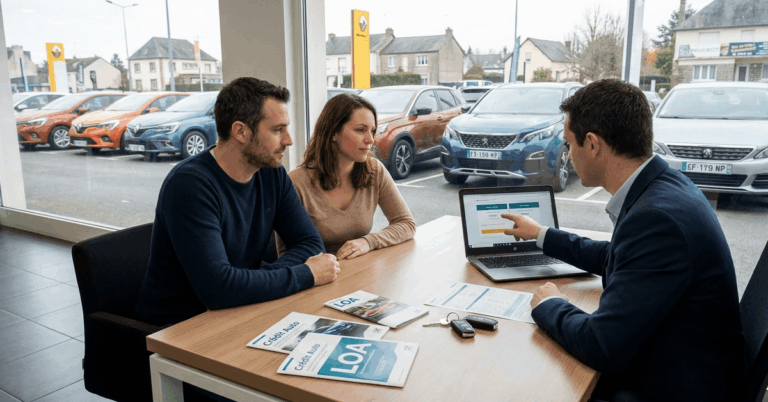
Car loans come directly from banks or through dealer-partner financing networks. Lease arrangements compete with traditional car loans on monthly payment size, but ownership terms differ dramatically at the end of the contract.
A lease means you return the car or pay a balloon payment. A bank car loan means you own the vehicle outright once the last installment clears. That distinction gets glossed over in dealer conversations.
Business Loans and the Startup Problem
Entrepreneurs can apply for business loans, but approval requirements are stricter than personal lending. Banks want to see a detailed business plan, proof of revenue (or at least a track record), and often request collateral.
Startups with no operating history face the hardest path. A business running for less than 12 months will struggle at any of the five major Slovak banks.
| Loan Type | Typical Term | Speed of Approval | Best Suited For |
|---|---|---|---|
| Personal Loan | 1 to 10 years | 24 to 48 hours (small amounts) | Medical bills, renovations, consolidation |
| Mortgage | Up to 30 years | Several weeks | Property buyers with stable income |
| Car Loan | 3 to 7 years | A few days | Vehicle buyers who want full ownership |
| Business Loan | Varies | Weeks to months | Established businesses with documented revenue |
Personal loans win on speed, but mortgages offer the lowest rates for those who qualify.
The APR Game: Why Online Calculators Mislead Borrowers
Every major Slovak bank has an online loan calculator. Plug in your desired amount, pick a term, and get a monthly payment estimate. The number looks clean. It is also almost always wrong.
Those calculators typically use the nominal interest rate. The APR, which wraps in administrative fees, mandatory insurance, and early repayment penalties, runs higher.
On a €10,000 personal loan, the gap between the calculator estimate and the real monthly cost can land between €15 and €40.
Fees Buried in the Fine Print
Slovak lenders are legally required to disclose all costs before you sign. That disclosure, however, sometimes arrives as a 15-page document in Slovak legal terminology.
The fees that surprise borrowers the most include:
- Processing fees charged upfront when the loan is approved
- Account maintenance charges added monthly if the loan requires a new bank account
- Payment protection insurance that’s technically optional but presented as mandatory during the application
- Early repayment penalties that can cost 1% of the remaining balance if you pay off the loan ahead of schedule
Comparing the APR across banks, not the nominal rate, is the only honest way to measure total loan cost. The nominal rate is marketing. The APR is math.
Why Applying to Six Banks at Once Backfires
Common advice says to shop around aggressively. Submit applications everywhere, compare offers, pick the winner.
I would skip that strategy in Slovakia, specifically because the Slovak Credit Bureau (Spoločný register bankových informácií) tracks each hard inquiry on your record.
Clustering five or six applications within a 30-day window can flag your profile as high-risk.
Banks interpret multiple simultaneous applications as desperation, not diligence. A better approach: request preliminary rate quotes (which don’t trigger hard pulls) from three banks, then submit a formal application to the one with the best terms.
This is the opposite of what personal finance blogs tell you to do. But in a market where credit history for expats is already thin, every inquiry counts more than it would in the UK or Germany.
Alternatives When Banks Say No
Banks are the most regulated lenders in Slovakia, but they’re not the only option. Credit unions, peer-to-peer platforms, and employer-sponsored loans exist for borrowers who don’t meet bank criteria.
The trade-off is real, though. Non-bank lenders typically charge higher rates and offer weaker consumer protections. EU consumer rights apply to bank loans with full force. A peer-to-peer loan from an unregulated platform? Less certainty on that front.
Questions People Ask About Bank Loans in Slovakia
Q: Can foreigners get a bank loan in Slovakia without permanent residency? Temporary residents can apply at several Slovak banks, though approval odds improve with an EU passport. Non-EU applicants should expect requests for additional documentation like translated contracts and a guarantor.
Q: How long does mortgage approval take in Slovakia? Mortgage processing typically runs several weeks, sometimes stretching past a month if property valuation or document verification causes delays. Personal loans move faster, often within 24 to 48 hours for smaller amounts.
Q: Is it better to get a fixed or variable rate mortgage in Slovakia? Fixed rates give predictable payments and protect against rate hikes. Variable rates start lower but carry risk if the ECB raises rates. Since 2023, fixed-rate products have gained popularity among borrowers who prioritize budget stability.
Q: Do Slovak banks offer loans in English? Some banks provide English-language service at select branches, especially in Bratislava. Online portals and loan documents, however, are predominantly in Slovak. Having a bilingual contact or translator during the application process avoids misunderstandings in contract terms.
Q: What happens if I repay my Slovak bank loan early? Early repayment is allowed at some banks, but a penalty of around 1% of the remaining balance may apply. Check the specific early repayment clause in your contract before signing, because this fee varies between lenders and loan types.
Conclusion
Bank loans in Slovakia work well for expats who prepare their documents and understand DTI limits first.
The APR, not the advertised nominal rate, tells you what a loan will cost over its full term.
Applying to one or two banks strategically beats flooding the market with applications that damage your credit file. Start with a rate quote, read the contract in full, and treat every fee disclosure as non-negotiable reading.