Personal financing in France is a topic many people are interested in, especially if you’re looking for ways to handle expenses quickly and with minimal hassle.
Finding the right loan, though, can feel overwhelming due to the sheer number of choices — not to mention the fine print that often confuses.



If you’re living in France or planning to move, you might be curious about how fast personal financing really works here, what options are considered the safest, and how you can approach borrowing without putting your financial health at risk.
This article is for anyone who prefers clarity over guesswork and values having a complete view before making a decision.
Throughout, the aim is to walk through everything you need to know about getting quick financial support in France, focusing on transparency so you can confidently explore what fits your needs best.
Understanding Fast Personal Loans in France
It’s not uncommon to need funding at short notice, whether due to car trouble, medical expenses, or a sudden business opportunity.
In France, quick personal loans are widely available, but the process and choices might be different from what you’re used to elsewhere.
French lenders do generally provide several loan types targeted at addressing urgent needs, usually without requiring complex paperwork.
What Makes Personal Loans in France “Fast”?
The speed of a loan typically refers to the approval and funds deposit process. Many French banks and online lenders offer pre-approval in just a few minutes, with some releasing funds on the same day.
Of course, this largely depends on the borrower profile and the lender’s underwriting process. Occasionally, it takes a bit longer if eligibility checks uncover something unexpected.
Still, this speed is one of the main attractions of modern personal financing solutions in France.
Main Types of Quick Funding Solutions
- Consumer credit (crédit à la consommation): Unsecured and flexible, often used for everyday expenses or personal projects.
- Revolving credit (crédit renouvelable): Works almost like a line of credit, with flexible drawdowns and repayments, but higher interest rates overall.
- Small installment loans (mini-prêt or microcrédit): Lower amounts, faster approval, often meant for emergencies or minor purchases.
- Buy-now-pay-later (BNPL): Available through retailers and online platforms, allowing for deferred payments on purchases.
If you find yourself comparing options, small differences in structure or interest rates can really add up over the loan’s lifespan — something I’ve noticed myself after reviewing several lenders’ terms.
Eligibility and Application: What to Expect
Eligibility requirements for fast loans in France might seem straightforward at first glance, but there are a few nuances.
Usually, borrowers need to be over 18 and able to demonstrate ongoing residence in France, alongside steady income evidence.
Still, individual lenders may set their own specific requirements — it’s always worth double-checking before starting an application.
Typical Documents Required
- Valid identity proof, such as a passport or carte de séjour
- Proof of address (utility bill or rental agreement, not older than 3 months)
- Recent payslips or proof of regular income (such as an employment contract or pension statement)
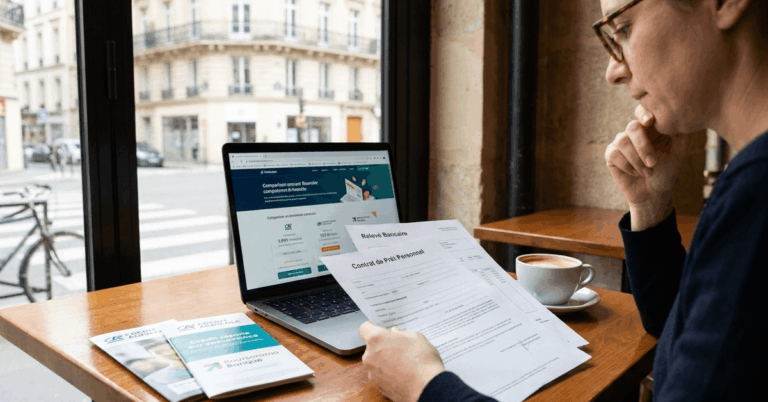
- French bank account details (RIB/relevé d’identité bancaire)
There’s a small chance an additional document may be asked for, such as a recent tax assessment or proof of insurance. It’s not guaranteed, just depends on individual risk policies. Surprisingly, some online lenders streamline this by using digital checks, which can reduce waiting times.
Top Fast Lending Platforms and Institutions
France’s financial ecosystem is both traditional and innovative. Established commercial banks like BNP Paribas, Crédit Agricole, and Société Générale offer classic personal loans — you might get a decision in under 24 hours if you’re already a client.
Online-only providers such as Younited Credit and Cofidis are also popular for small, quick loans , and tend to compete on speed and user experience.
Bank vs. Online Lender: What’s Different?
- Banks may provide larger amounts at slightly better rates if you hold an account, but they often require more paperwork.
- Online lenders focus on convenience and faster turnaround, with digital onboarding and e-signatures. Rates can be a bit higher, especially for ultra-fast microloans.
Depending on your needs, perhaps convenience will outweigh a marginally higher cost. Or, maybe you’ll prefer a bank’s sense of security, even if they take a bit longer.

Understanding Costs, APR, and Repayment Terms
No matter how urgent the need, it’s important to look closely at loan costs . The Annual Percentage Rate (APR or TAEG in French) includes not only the interest but also all additional charges such as file fees or required insurance.
There’s a temptation to focus just on monthly payments, but looking at total cost gives a much clearer picture — something I learned after misjudging an offer’s “teaser” rate. Sometimes the cheapest-looking monthly rate turns out to be pricier overall when fees are added up.
Repayment Flexibility
Most French personal loans offer a fixed repayment schedule: equal-sized payments over 12, 24, or 36 months. If flexibility is important, some revolving loans and mini-prêts can allow early repayments or deferred starts — it’s worth asking about these options upfront because they’re not always advertised.
Representative Example Table (Visual Suggestion Only)
Comparing terms from multiple platforms side by side can be helpful. A simple table with columns for loan amount, APR, fees, speed to funds, and minimum eligibility might clarify differences across offers.
Regulatory and Tax Considerations in France
Lenders operating in France must comply with strict consumer protections, including transparency on key terms and a mandatory “cooling-off” period (called délai de rétractation).
This gives borrowers 14 calendar days to cancel a loan agreement — no explanation required. It’s a solid safety net, especially for first-time borrowers wary of making a hasty choice.
How French Credit Bureaus Assess Risk
Personal loans are typically subject to national credit bureau checks (FICP and Banque de France). If repayments are missed or overstretched, it could affect your creditworthiness for future borrowing.
Unlike some countries, though, responsible lending is prioritized in France, perhaps a reassuring aspect for those nervous about overcommitting. For more information, the Banque de France website is a valuable source (banque-france.fr).
Taxation on Personal Loans
In most cases, personal loans for private use do not trigger a tax liability in France. However, declaring significant incoming funds might be required in special circumstances, such as international transfers. When unsure, consulting a local tax advisor may help clarify edge cases without unnecessary worry.
Tips for Responsible and Efficient Borrowing
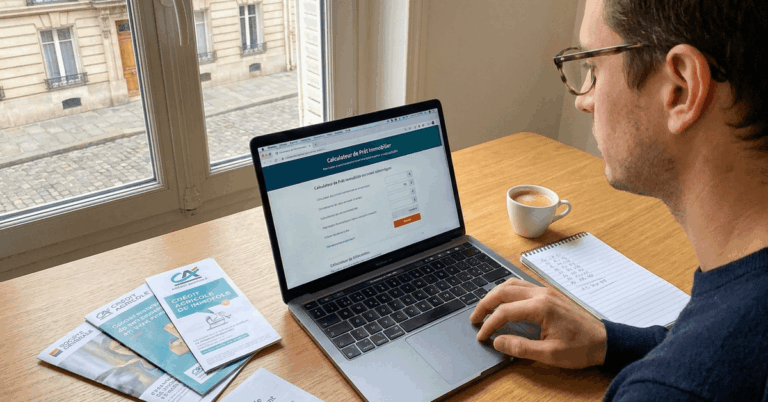
Fast financing offers relief in difficult times, but it’s worth taking a breath even when urgency is high. Comparing multiple offers is rarely wasted time, and several tools online allow quick simulation of repayments before committing.
Setting realistic expectations about repayment can make future budgeting smoother. In some cases, asking friends or reading recent online reviews can reveal hidden fees or shared experiences, good or bad.
Red Flags to Watch Out For
- Unusually high upfront fees or requests for payment before funds are transferred
- No clear mention of the legal cooling-off period
- Vague eligibility or “guaranteed approval” language
If something feels off, it’s often better to pause and check with established comparison sites or consumer forums, such as UFC-Que Choisir.