Curious about borrowing in France? Wondering what your monthly installment might look like if you took out a loan? This article explores the ins and outs of finding a loan calculator for France.
Whether relocating, purchasing property, or financing a project, understanding monthly payments is crucial for anyone looking to manage their budget and avoid surprises.



This guide will cover what a loan calculator does, who can benefit from its use, and strategies to get the most accurate estimates.
What Is a Loan Calculator in France?
A loan calculator is an online tool or application that helps individuals estimate the monthly payments for various loans.
In the French context, these calculators take into account unique lending practices, such as fixed-rate vs. variable-rate options, and typically present results based on the specific terms offered by French banks or financial institutions.
It’s a step anyone considering a loan in France might find invaluable—especially if precision in planning is important.
Why Use a Loan Calculator for French Loans?
Comparing loans isn’t always easy. Perhaps you’ve noticed that every lender communicates costs differently. A loan calculator can quickly show how factors like interest rates, loan term, and down payments influence monthly obligations.
For expats, students, homeowners, and new entrepreneurs, this provides clarity, helping to inform smarter financial decisions.

Transparency in Payments
With a calculator, the math behind a loan becomes transparent. Instead of guessing or relying on broad estimates, you see actual numbers tailored to your situation.
This makes discussions with lenders—or simply comparing your options—a little less overwhelming.
Budget Planning Benefits
If you’re considering a big purchase, such as a home, knowing your expected monthly expense makes all the difference. Some users might be deciding between several loan types.
In those cases, being able to adjust terms and compare outcomes gives you a valuable advantage, especially before making a commitment.
How Does a French Loan Calculator Work?
Most calculators will ask for just a few pieces of information: the loan amount, interest rate, repayment period, and sometimes insurance costs (mandatory for some products in France).
Some tools might allow more detail, like down payments or balloon payments. The calculation itself uses the annuity formula, which is standard for amortizing loans in France, generating a reliable estimate per month.
Inputs You’ll Need
- Loan amount (in euros)
- Annual nominal interest rate
- Loan term (years or months)
- Any required insurance premiums
- Possible down payment
Understanding the Output
After entering the inputs, the calculator usually reveals:
- Monthly payment amount
- Total interest paid over the life of the loan
- Total cost of the loan (including interest and principal)
- Amortization schedule (sometimes, depending on the calculator)
Main Uses for Loan Calculators in France
French loan calculators cater to several needs. Although it’s common to think only of real estate, the same approach supports personal loans, car financing, and consolidation loans. Below are typical user scenarios.
Home Buyers
If someone is looking to purchase a house or apartment in France, especially as an expat, a calculator becomes essential. It helps in assessing affordability and choosing between mortgage types, whether fixed or variable.
Students
Many banks offer tailored student loans (prêts étudiants). Calculators help young borrowers see what monthly repayments might be, sometimes factoring in deferred payment options or interest-only periods common with student loans in France.
Car Owners
Auto financing is another popular use case. With car loans (crédit auto), monthly payment predictability is a top priority for anyone budgeting around vehicle expenses.
Factors Impacting Loan Payments in France
Those trying to estimate future payments should consider some France-specific factors. Interest rates and insurance regulations may differ from other markets.
Lenders typically require loan insurance for mortgages, affecting your monthly bill. Perhaps surprisingly, a small change in the rate or duration can shift your monthly payment noticeably.
Interest Rates in France
Interest rates, often referred to as TAEG (Taux Annuel Effectif Global), encompass not just the nominal rate but also fees and insurance. Keeping an eye on the TAEG is key, since it’s the benchmark for comparing offers.
Loan Insurance Requirements
French banks often require the borrower to take out loan insurance (assurance emprunteur). This can sometimes nearly double a payment if the applicant is considered a higher risk. Calculators that include an insurance input tend to give the most accurate simulation.
Variable vs. Fixed Rates
With fixed-rate loans, the monthly payment remains stable. However, variable rates may start lower and increase over time. Not all calculators simulate scenarios for rate shifts, but some advanced French tools do.
Repayment Terms
Loan terms in France can range from a couple of years to decades—30 years for real estate isn’t uncommon. Shorter terms mean higher monthly payments but less interest overall.
Steps to Accurately Estimate Payments
Making use of a French loan calculator can be straightforward if you keep track of a few things. While the process might look simple, sometimes a forgotten insurance cost or an inaccurate rate can distort your planning. Here’s a methodical way to achieve an accurate estimate:
- Gather information on the product or property price.
- Request current interest rates from at least two major banks.
- Calculate or request a quote for the required insurance premium.
- Decide on the loan term that matches your budget flexibility.
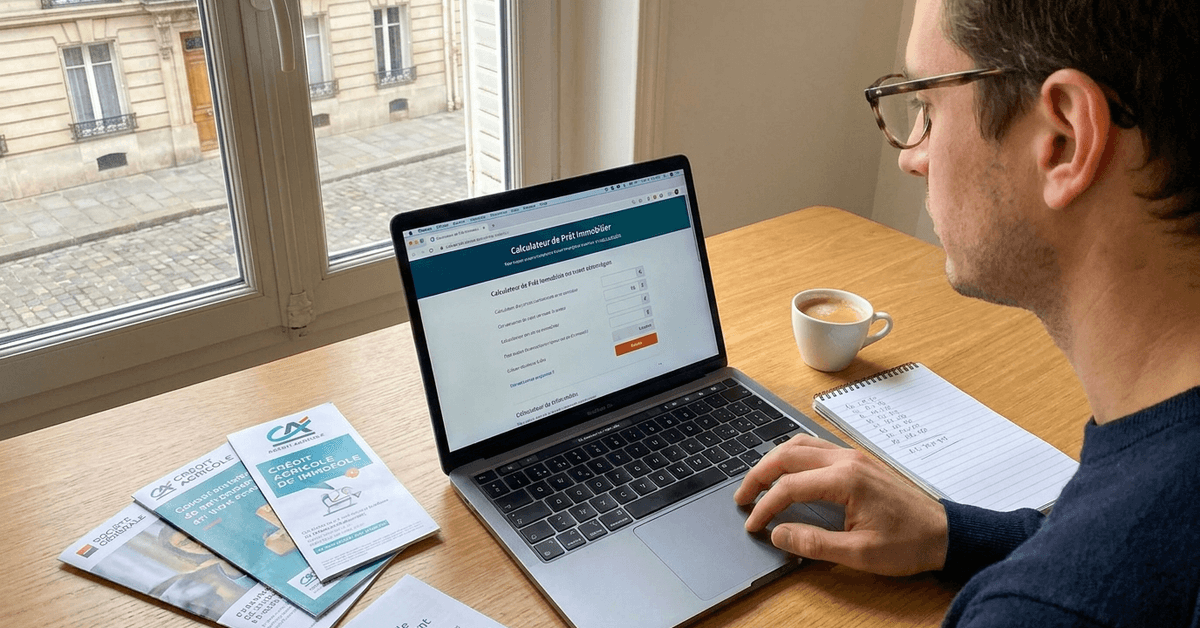
- Use a trusted online calculator from a major French bank or a reputable finance site (for example, BNP Paribas or Crédit Agricole ).
Comparing Loan Calculators in France
Not all loan calculators are identical. Some are more detailed, others simpler. A few suggest including potential charges not always covered among competitors.
It’s somewhat reassuring, though, that most tools from French bank websites follow a similar calculation standard. However, user experience, clarity, and the type of loans covered can vary significantly.
Popular French Bank Calculators
- BNP Paribas loan simulator
- Crédit Agricole’s real estate calculator
- Société Générale’s multi-loan estimator
- Boursorama for flexible rates and personal loans
Some independent finance sites also offer comprehensive calculators, sometimes with amortization tables and detailed breakdowns—a useful addition for long-term planning.
Watch for Limitations
While calculators are useful, they may not always reflect every fee or insurance premium added by a lender.
Additionally, tax implications or early repayment penalties often aren’t factored in. Double-check with direct quotes before making a binding decision.
Tips for Best Results with Loan Calculators
- Review multiple calculators to catch input or display differences.
- If possible, include insurance and ancillary fees in your calculations for property loans.
- Consider future rate changes for variable loans; if unsure, attempt a calculation with a slightly higher rate as a buffer.
- For home loans, simulate at least two term lengths to compare interest savings versus affordability.
- Save or print results, especially if sharing with co-borrowers or financial advisors.
Frequently Asked Questions About Loan Calculators in France
Can non-residents use French loan calculators?
Most tools are accessible online and take the same inputs regardless of residency status. However, which loans non-residents qualify for can be more limited, something worth clarifying with a lender directly.
Are results from these calculators guaranteed?
Calculators generally provide estimates. Final loan conditions depend on personal credit scores, lender-specific fees, and insurance policies. Thus, they remain a guide rather than a contract.
Do all French loans require insurance?
Mortgages nearly always do, and personal loans frequently request it. Not every case is the same, though—checking requirements for your specific product remains important.
Alternative Ways to Estimate Monthly Payments
If you prefer manual calculation, it’s certainly possible, but French banks typically encourage the use of their own tools or suggesting an appointment with an advisor for accuracy.
For more detailed amortization tables or to explore options with unique payment schemes (like interest-only loans), software or professional assistance may be the way to go.
In any case, using a calculator saves time, reduces stress, and offers a helpful head start during the borrowing process.
Conclusion
A loan calculator in France can help borrowers estimate monthly payments before applying. It is useful for comparing loan amounts, interest rates, insurance costs, and repayment terms.
However, calculator results are only estimates and may not include every lender fee. Before signing any agreement, review the official offer carefully and make sure the payment fits your budget.