Applying for a loan in a country where you barely speak the language feels like signing a contract blindfolded. Slovakia has a dozen banks and a growing list of digital lenders, all pushing different numbers at you.
Picking the wrong one costs more than just a bad interest rate. It can lock you into fees and conditions that drain your budget for years.


This guide breaks down loans in Slovakia for the person stuck between a bank branch and an app, trying to figure out which option won’t punish them later.
I wrote this for expats, new residents, and Slovaks tired of getting sold products instead of getting answers.
What Types of Loans Are Available in Slovakia
The Slovak lending market splits into a few categories, and picking the wrong type before shopping for rates is a mistake that costs people money before they even start comparing.
Personal Loans and Consumer Credit
Personal loans in Slovakia are unsecured, meaning no collateral.
Banks like Slovenská sporiteľňa and VÚB Banka offer them for purchases, travel, or consolidating smaller debts. The catch: unsecured loans carry higher rates than secured ones, and the spread between banks can be wide.
A personal loan from Tatra banka might look competitive until you realize the APR includes a mandatory payment protection insurance add-on. That single detail can shift the real cost by several percentage points.
Mortgage Loans for Property Buyers
Mortgage loans are where Slovak banks compete hardest. First-time buyers flock to VÚB Banka for their mortgage products, but the approval process is thorough.
Expect weeks of back-and-forth documentation, especially if your income comes from outside Slovakia.
ČSOB and Slovenská sporiteľňa also run active mortgage programs. Rate differences between them tend to be small, sometimes fractions of a percent. The real differentiator is how each bank handles fixation periods and early repayment penalties.
Car Loans and Short-Term Credit
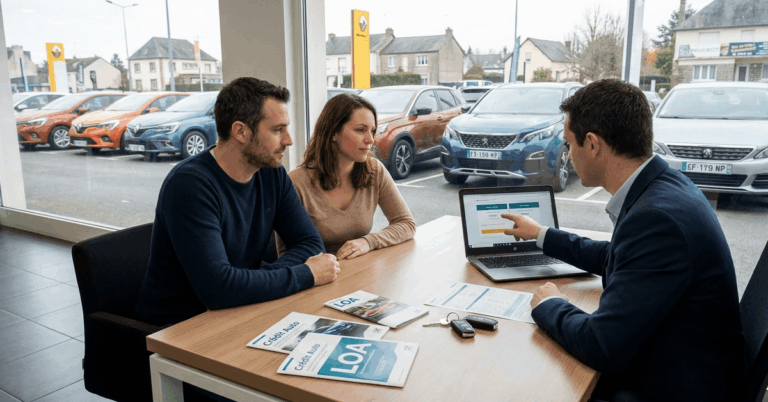
Car loans function as secured credit tied to the vehicle itself. Rates tend to sit lower than personal loans because the bank holds collateral. Short-term and payday loans exist too, but rates on these can be brutal.
I would avoid payday lenders in Slovakia entirely because the APR on a 30-day payday loan from an unregulated provider can exceed what a personal loan charges over a full year.
Banks vs. Digital Lenders in Slovakia: An Honest Comparison
This is where the conversation gets interesting, because the advice people repeat online, “go digital for the best deal,” does not hold up when you look at the details.
Traditional Slovak Banks Still Have an Edge
Slovenská sporiteľňa, VÚB Banka, Tatra banka, and ČSOB control the bulk of lending in Slovakia. Physical branches mean face-to-face advice, which matters when your contract is in Slovak and the fine print runs ten pages.
These banks follow strict NBS (National Bank of Slovakia) regulations, and their fee schedules are published.
Traditional banks reward loyalty. Long-term clients at Slovenská sporiteľňa can sometimes access lower rates or fee waivers that a brand-new applicant would never see advertised.
Digital Lenders: Fast but Not Always Cheaper
Digital providers like Home Credit and various fintech startups market speed above everything. Applications take minutes. Approvals can happen same-day. But speed and low cost are two different things.
I think the biggest trap with digital lenders in Slovakia is confusing fast approval with a good deal, because Home Credit’s advertised convenience often comes paired with higher APRs than what VÚB Banka or Tatra banka quote for the same loan amount.
The real comparison looks like this:
| Feature | Traditional Banks (e.g., VÚB, Tatra banka) | Digital Lenders (e.g., Home Credit) |
|---|---|---|
| Approval speed | 3-10 business days | Same day to 48 hours |
| APR range | Typically lower for qualified borrowers | Often higher, especially for smaller loans |
| Documentation | Extensive (ID, income proof, bank statements) | Streamlined, sometimes alternative proof accepted |
| Contract language | Slovak (English summaries at some branches) | Mixed, some apps offer English |
| Early repayment | Penalties vary, check fixation terms | Often more flexible |
Digital speed has a price, and that price shows up in the APR column.

The APR Problem Nobody Talks About
Every comparison article tells you to focus on APR (Annual Percentage Rate). I agree that APR matters, but I disagree with the common advice that APR is the only number you need.
My issue with APR-only comparisons in Slovakia is that Slovenská sporiteľňa and Tatra banka bundle different mandatory products into their APR calculations, so two loans with identical APRs can have completely different real costs depending on whether insurance, account fees, or processing charges are folded in or listed separately.
This means a loan at 8.5% APR from one bank might be cheaper than a 7.9% APR from another, once you strip out what each bank stuffed into that number. Nobody explains this, and it trips up borrowers constantly.
Fees That Add Up Quietly
Slovak lenders charge fees that deserve attention:
- Origination fees: a one-time charge when the loan is created, sometimes 1-3% of the loan amount
- Monthly maintenance fees: small charges that compound over a multi-year loan into hundreds of euros
- Late payment penalties: these escalate quickly and can trigger additional collection fees
- Early repayment charges: some banks penalize you for paying off a loan ahead of schedule, especially during fixed-rate periods
Reading the full fee schedule on the lender’s official website matters more than trusting the summary calculator on their homepage.
Promotional Rates and Their Strings
Banks in Slovakia run promotional rate campaigns, especially for mortgages. A low introductory rate might require opening a new current account, purchasing life insurance through the bank, or committing to a specific fixation period.
Once the promotional window closes, the rate adjusts. Ask what the rate becomes after the promotion ends. That number is the one you’ll live with.
The Loan Application Process in Slovakia
The steps are similar across most lenders, though digital providers trim the in-person parts.
A standard application follows this path:
- Compare offers using APR, total fees, repayment flexibility, and contract language
- Gather documents: valid ID, proof of income (pay slips or tax returns), employment verification, proof of residency, and recent bank statements
- Submit the application online, through a mobile app, or at a bank branch
- Wait for credit assessment: the lender checks your credit history with the Slovak Credit Bureau and evaluates risk
- Receive a decision, sometimes after a follow-up meeting or call
- Sign the contract and receive funds via bank transfer
Digital lenders skip the branch visit and use electronic signatures, which works well for people outside Bratislava or those working irregular hours. But electronic does not mean instant. Credit checks still run through the same systems.
Safety, Regulation, and Protecting Yourself
Every lender operating legally in Slovakia must be licensed by the NBS. Checking this takes two minutes on the NBS financial entity register. If a lender is not listed, walk away.
EU regulations, including GDPR, govern how your data is handled. Reputable banks and digital providers publish their privacy policies. Read them. A lender that makes it hard to find their data handling terms is waving a red flag.
Contract Language and Expat Concerns
Loan contracts in Slovakia are drafted in Slovak. Some branches of Tatra banka and Slovenská sporiteľňa offer English-language summaries or have English-speaking advisors, but the legally binding document is the Slovak version.
Getting an independent translation of critical clauses, especially around penalties and rate adjustments, is worth the cost.
Tax treatment of loan interest and fees is generally handled by the institution, but expats should verify whether their home country requires reporting of foreign debt obligations.
Questions People Ask About Loans in Slovakia
Q: Can expats get a loan in Slovakia? Yes, but eligibility depends on residency status, income source, and the specific bank. VÚB Banka and Tatra banka have programs for non-Slovak residents, though documentation requirements are heavier. Expect longer processing times and possibly higher rates.
Q: Are online loan comparison sites in Slovakia reliable? Some are useful starting points, but they earn commissions from featured lenders. The APR shown on a comparison site may not match what the bank offers after reviewing your specific profile. Always confirm directly with the lender.
Q: What credit score do I need for a loan in Slovakia? Slovakia uses the Slovak Credit Bureau for credit assessments. There is no single “score” like a FICO number. Lenders evaluate your full credit history, current debts, and income stability. Clean payment history matters more than a numerical threshold.
Q: Can I pay off a Slovak loan early without penalties? It depends on the loan type and lender. Some banks charge early repayment fees, especially on fixed-rate mortgages during the fixation period. Consumer loans under EU regulations allow early repayment, but a small compensation fee may apply. Ask before signing.
Q: What happens if a lender is not licensed by the NBS? An unlicensed lender operates outside Slovak financial regulation, meaning consumer protections do not apply. Contracts may be unenforceable, and dispute resolution becomes extremely difficult. Never borrow from an unlicensed provider.
Conclusion
The Slovak loan market rewards patience and punishes people who sign the first offer they see. Comparing APR, total fees, contract language, and lender licensing separates a good decision from an expensive one.
A few hours of research can save thousands of euros over the life of a loan. Start with the NBS register, check the full fee schedule, and never trust a promotional rate at face value.