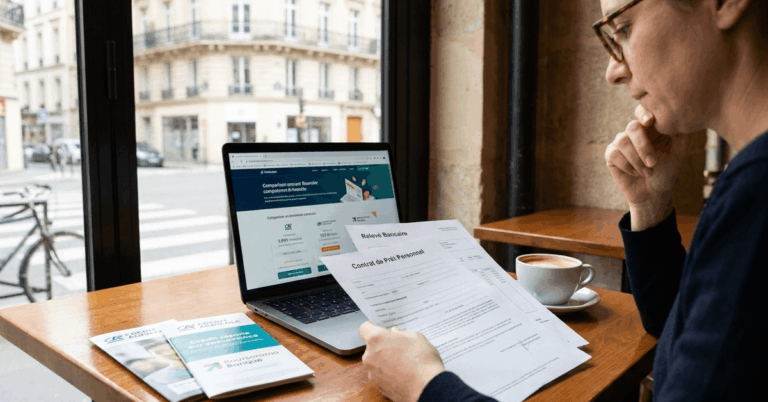
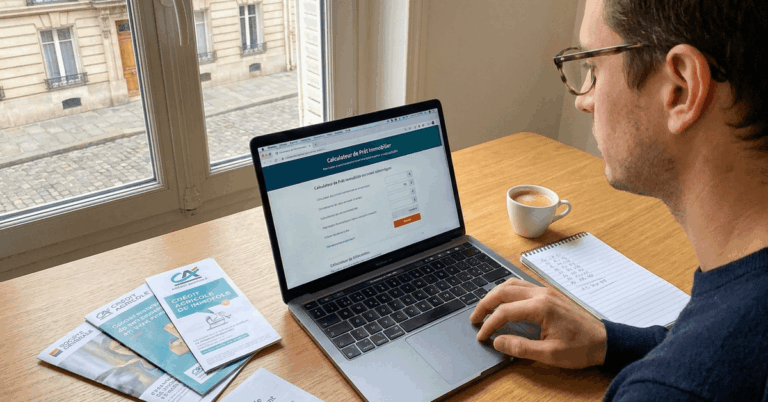
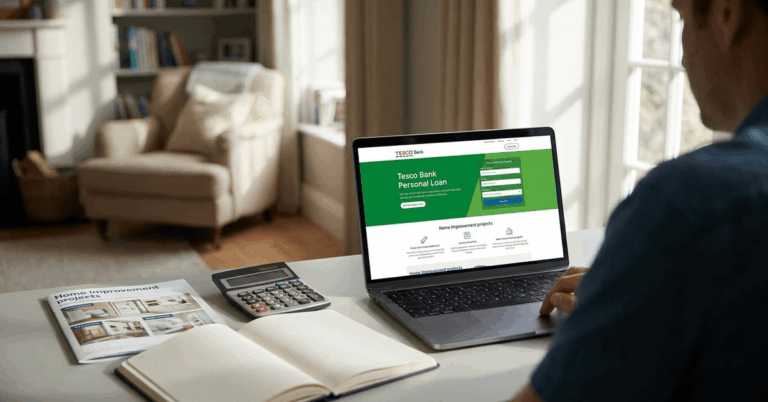
Navigating the world of online loans in France can feel overwhelming at first glance. There are so many choices available today, and each offers its own unique set of terms and features.
This article is designed for individuals, families, or small business owners living in France or considering relocation.



If you’re searching for accessible and transparent financing solutions—perhaps to fund home improvements, consolidate debts, or handle an unexpected expense—knowing your options is the first step toward making a more informed and confident decision.
Understanding Online Loan Options in France
The digital shift has transformed how French consumers access credit. From classic personal loans to new fintech solutions, the process is now far quicker and more flexible than it used to be.
But what exactly is meant by an “online loan” in France? Typically, it refers to any financing product you can apply for, receive approval, and manage mostly online—without having to visit a bank branch in person.
Why Online Loans Are Gaining Popularity in France
This shift isn’t random. The rise in digital lending platforms has enabled faster applications, more competitive interest rates, and often better transparency.
Admittedly, some people remain hesitant to forgo traditional banks, especially for larger amounts; the range of options and variable eligibility criteria can be confusing. Still, more French residents seem drawn to these online services each year.

Convenience and Application Speed
Applying online often means no long waits, fewer documents, and decisions within 24-48 hours on average. That’s much faster than physical banks, which may require a week or more for approval and processing.
Wider Range of Lenders
Online platforms offer more choice—traditional banks, credit unions, fintech firms, and even peer-to-peer (P2P) lenders. The increased competition generally leads to better rates and more flexible repayment options.
Improved Transparency and Accessibility
Digital platforms prominently display terms and total repayment costs, enabling a direct comparison of offers. This transparency reduces unexpected costs, although some individuals may still find the fine print complicated.
Types of Online Loans Available in France
Not every loan fits all needs. Here’s a quick overview of the most common online loan products currently accessible to French residents or newcomers.
Personal Loans ( Prêt Personnel )
Personal loans are among the most popular types of online financing. Offered by both banks and fintechs, these are unsecured loans—meaning no collateral required. Typical uses include travel, home appliances, or debt consolidation. Repayment schedules usually range from 12 to 84 months. Sometimes, the freedom to use the funds however you see fit can be both liberating and, if not managed carefully, a bit risky.
Auto Loans ( Crédit Auto )
An auto loan is specifically intended for purchasing a new or used car. The vehicle itself usually acts as collateral. Many platforms make loan comparison fast and simple, although actual offers might still depend on your credit profile.
Home Improvement Loans ( Prêt Travaux )
If you’re looking to renovate, a dedicated home improvement loan may be available. These online loans sometimes come with lower rates due to specific end-use, but you’ll usually be asked for quotes or invoices as proof.
P2P Lending Platforms
P2P loans match individual borrowers with private investors, often at competitive rates. It’s worth noting these platforms generally have slightly stricter eligibility rules and smaller maximum loan amounts.
Microcredit and Small Business Loans
Microcredit is another option, particularly for freelancers or very small businesses. These loans help with cash flow, inventory, or bridging gaps between invoices. Specialist online platforms, such as Adie, lead in this niche.
Key Criteria for Comparing French Online Loans
Before making any decisions, it’s usually recommended to compare various aspects to ensure you’re choosing the most suitable online loan for your needs. Comparing offers might seem tedious, but it could save you a significant amount in the long run.
Annual Percentage Rate (APR) and Total Cost
Always look for the Taux Annuel Effectif Global (TAEG/APR) . This figure reflects the real annual cost of your loan, including interest and all fees. While some offers look appealing at first glance, a careful review of the total cost could reveal hidden charges.
Repayment Flexibility
Check whether the loan allows for early repayment or flexibility in installment payments. Sometimes, platforms waive early repayment fees, but not always—so it’s useful to read the terms. Flexibility might matter more than you expect if your financial circumstances change.
Application Requirements and Documentation
Online lenders in France usually require proof of identity, residence, and income. Salaried workers typically need recent pay slips; freelancers may be asked for recent tax returns. Some people find the process simple, but occasional delays can occur if paperwork doesn’t match up.
Approval Speed
Most French online loans promise a quick decision, but times can vary. Fintechs are typically the fastest, while traditional banks still tend to take a day or two longer.
How to Safely Apply for an Online Loan in France
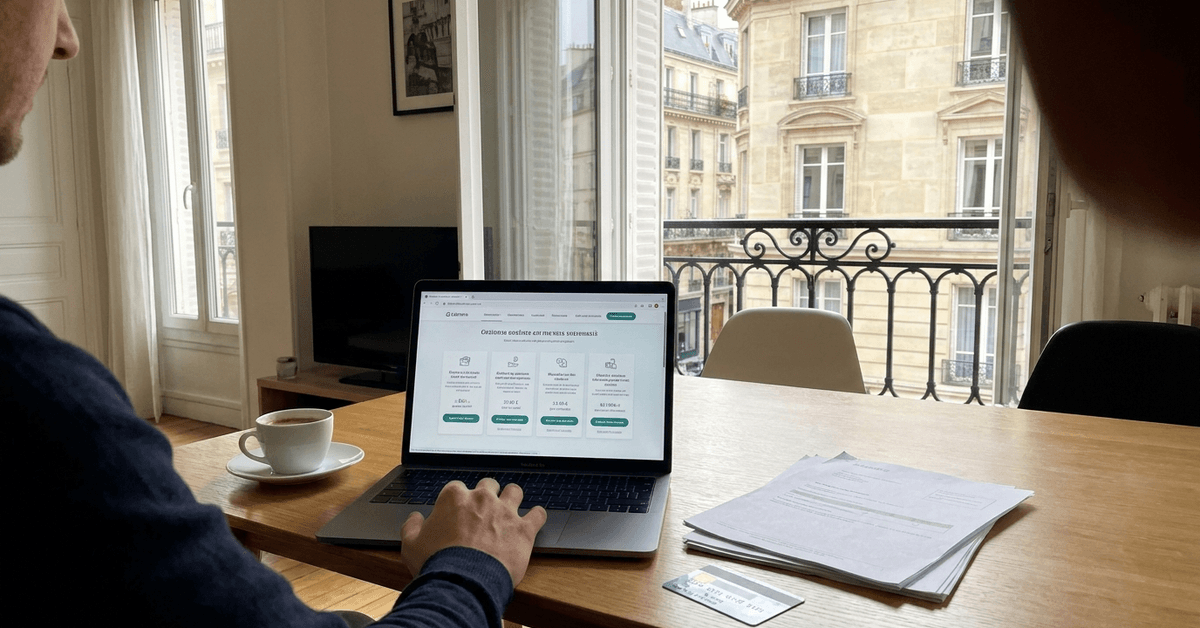
Securing a loan online is practical, but it’s not entirely risk-free. There are a few steps worth considering—sometimes skipped in a rush or under stress.
Choose Well-Established Platforms
One approach could be to check whether lenders are registered with the French Prudential Supervision and Resolution Authority (ACPR). Well-known banks or major fintech names, like Crédit Agricole or Younited Credit, are generally considered trustworthy, but new entrants can offer competitive features too.
Check Security Protocols
Strong encryption, clear privacy policies, and official endorsements are good signs. If a site lacks HTTPS or asks for dubious document uploads, it’s probably best avoided.
Read Independent Reviews
Third-party review sites and French consumer protection forums offer insight into other users’ experiences. Some platforms may appear professional but could have hidden drawbacks revealed only by actual users.
Expert Tips for Comparing French Loan Offers Online
While not everyone will approach the process the same way, a few tips can enhance your ability to sort through loans logically. These aren’t hard rules—just ideas that may help with decision-making.
- Use loan comparison tools from reputable French finance sites, such as Meilleurtaux or LesFurets.
- Request pre-approval quotes to check potential APRs without harming your credit score. Many platforms clarify whether your inquiry is a “soft” or “hard” check.
- Check total repayment differences if you change loan duration—sometimes a lower monthly rate means a much higher end-cost.
- Ask questions about insurance requirements. Loan insurance ( assurance emprunteur )—while optional in most cases—may be pre-selected by default.
- Consider waiting if special promotions are on the way, especially during French retail periods like “La Rentrée” or year-end holidays.
Typical Eligibility Requirements for French Online Loans
Even with the process going digital, French regulation ensures lenders perform essential eligibility checks. Some criteria are almost always present, but some platforms have stricter income or residency requirements.
- French residency (citizens and long-term residents)
- Stable, regular income (salaried or self-employed)
- Bank account in France
- No recent major credit delinquencies
- Valid ID and address proof
Potential Pitfalls and Precautions
Online loans are not inherently riskier, but the speed and ease could lead to accidental over-borrowing or misunderstanding of terms. Reading every document, even when stressed, is worth it. In some cases, there are 14-day cooling-off periods—sometimes overlooked when eager to resolve a cash crunch.
- Avoid agreeing to any advance payment or fee for “guaranteed approval”—reputable French lenders never ask for fees upfront.
- Maintain realistic repayment expectations. The French legal maximum interest rate ( taux d’usure ) caps abuses, but overstretching financially does still happen.
- Check for automatic insurances or hidden contract clauses. Request clarification if anything feels unclear—or simply pause and return with fresh eyes the next day. It’s surprisingly easy to miss small but important details online.
Finding Reliable Information Sources and Assistance
French government agencies, such as Service-public.fr, and independent consumer associations offer factual guidance. While forums and user experiences can be helpful, it’s better to check primary sources for legal updates and new protections.