Searching for a canine companion can be an incredibly rewarding experience, but the journey isn’t always straightforward.
Many people wonder about the right way to adopt and the impact their choices might have. Learning about shelters and the adoption process often leads to informed, meaningful decisions that benefit both people and pets.



This article explores the essentials of dog adoption for anyone considering bringing a new furry friend into their life.
Whether living alone or with family, knowing where and how to find available dogs at local shelters helps in making a responsible, heartfelt choice. By the end, a broader perspective on ethical rescue options and nearby adoption resources might emerge.
Why Adopting Dogs from Shelters Matters
Some individuals think of adoption simply as a way to find a pet. But perhaps, for many, it’s more about providing a second chance to animals in need.
Shelters across the country often house dogs of all ages, sizes, and personalities, each with a unique story. The diversity can surprise those who believe rescue dogs are mostly older or less desirable.
Addressing Pet Overpopulation
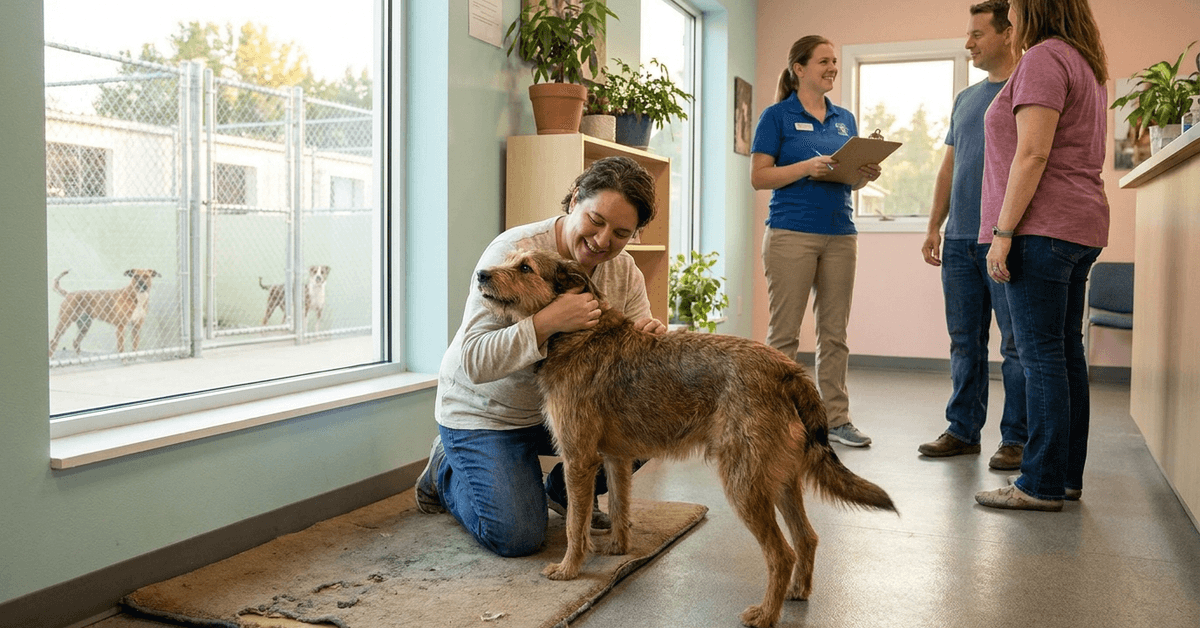
Puppy mills and overbreeding contribute to a growing number of homeless pets. By considering shelter adoption, people assist in reducing pet overpopulation—something that, frankly, remains a persistent problem in many communities. Sometimes, the statistics are quite sobering.
Benefits for Both Pets and People
Dogs adopted from shelters often reward their new families with incredible loyalty and affection. Studies hint that rescue pets may even sense they’ve been saved. There’s really no formula for that kind of connection. In turn, adopters gain companionship, which sometimes leads to improved mental health and general well-being.
Ethical Concerns About Breeding
The ethics of animal breeding can spark debate. While reputable breeders do exist, many advocates suggest that considering adoption first helps combat the negative sides of commercial breeding. It’s not always clear-cut, and some people understandably feel torn about the decision.
How to Explore Dogs Available for Adoption Nearby
Finding adoptable dogs no longer means relying solely on word-of-mouth. Today, a range of digital tools make it surprisingly easy to search for local shelter dogs by breed, size, age, and temperament. A blend of online research and in-person visits often produces the best results, though everyone’s process is unique.
Searching Online Shelter Databases
- Petfinder: One of the largest searchable resources for adoptable pets in the US ( petfinder.com ).
- Adopt-a-Pet: Comprehensive listings, many filter options ( adoptapet.com ).
- Local humane societies’ official sites—often featuring up-to-date adoption portals.
Most platforms allow users to set their zip code and explore nearby options. Sometimes the choices are overwhelming—there could be dozens, even hundreds, of pups ready for new homes not far away.
Visiting Shelters and Rescue Organizations in Person
Physical visits to shelters can be helpful, especially for those who want to meet several dogs or talk to staff. Personal impressions sometimes help clarify what kind of pet would best fit a household. Occasionally, that gut feeling only surfaces when seeing a particular dog firsthand.
Networking Through Community Events
Adoption events and local pet fairs might not be as widely publicized, but they’re excellent ways to network with rescue volunteers and meet adoptable dogs. Sometimes, these encounters lead to connections that persist even beyond the adoption process.
Key Considerations Before Adopting a Dog
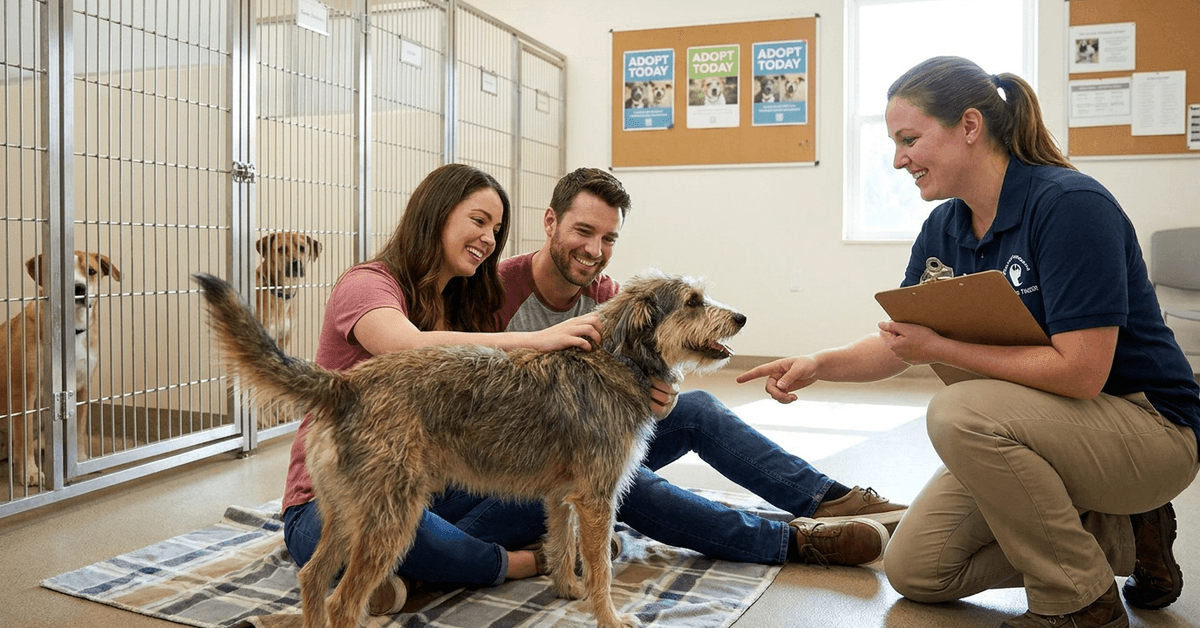
Choosing to adopt is a serious commitment, not unlike adding a family member. A thoughtful approach often prevents future misunderstandings or regrets. Potential adopters sometimes benefit from asking themselves a few honest questions before moving forward.
Assessing Lifestyle Compatibility
Perhaps not every dog thrives in every home. High-energy breeds might require outdoor space and daily exercise, while some smaller or older dogs are content with quiet indoor living. Families with children might have specific considerations, too. Thinking ahead can make a world of difference.
Evaluating Time and Financial Responsibility
Caring for a dog involves both money and time—regular feeding, veterinary care, grooming, and basic supplies. Sometimes people underestimate the costs, which can include unexpected vet visits or training sessions. Having a realistic budget in mind may help prevent surprises later.
Home Preparation and Initial Adjustment
Before a new dog comes home, preparation is generally advisable. Creating a pet-safe environment, setting up a comfortable sleeping area, and acquiring basic supplies such as food, bowls, and collars can ease the transition. Some recommend a gradual introduction to family members and routines, especially with shy or anxious dogs.
Types of Dogs Commonly Available at Shelters
There’s often a misconception that shelters house only certain breeds or problematic pets. In reality, the range is far broader. Sometimes, purebreds and puppies end up at shelters alongside mixed-breed and older dogs. A bit of patience during the search process might uncover exactly the right fit.
Mixed Breeds
Mixed-breed dogs—sometimes called mutts—make up a significant portion of shelter populations. Their unique genetics often yield charming personalities and, perhaps, fewer health problems compared to certain purebreds.
Purebred Dogs
While not as common, purebred dogs do appear in shelters. For those seeking a specific breed, rescue organizations dedicated to particular types (like Golden Retrievers or German Shepherds) are sometimes available—though waitlists can be lengthy.
Puppies and Senior Dogs
The age range among shelter dogs is wide. Occasionally, litters of puppies find their way to shelters, as do mature or senior dogs surrendered for various reasons. Each age group offers its own joys and unique challenges.
Preparing for the Adoption Process
The adoption procedure can differ by shelter, but some common stages generally apply. Understanding what to expect could smooth the journey and prevent unexpected hurdles or delays.
Application and Interview
Most shelters ask prospective adopters to complete an application. Sometimes, staff conduct interviews to gauge suitability and discuss expectations. This isn’t meant to be intimidating; rather, it fosters the best match for both dog and family.
Adoption Fees and What’s Included
Adoption fees can vary, and sometimes people feel unsure whether they’re reasonable. Most fees cover spaying or neutering, basic vaccinations, and microchipping. In many cases, these are significant savings over arranging the same procedures independently.
Trial Periods and Follow-ups
Some shelters offer trial adoptions or home visits to ensure a good fit. It’s a practical way to try living with a new pet before making a final commitment. Occasional follow-ups may reassure both the shelter and adopter.
Long-Term Support and Community Resources
Adjusting to life with a new pet can take time. Many communities offer resources and support networks for new adopters. It’s not always a linear path—sometimes challenges arise, even after careful planning.
Training and Socialization Classes
Dog training classes, sometimes hosted by local shelters or pet stores, help new owners establish routines and address behavioral concerns. Stronger bonds often form through cooperation and consistency.
Veterinary Care and Health Clinics
Regular veterinary visits are a cornerstone of healthy pet ownership. Some shelters recommend affordable clinics for vaccinations and checkups, making ongoing care more accessible to all adopters.
Support Groups and Online Communities
Pet-related forums and social media groups provide a platform for advice, shared stories, and encouragement. Occasionally, it can feel reassuring to know others have experienced similar joys—and setbacks—along the way.
Frequently Asked Questions About Dog Adoption
For many, certain questions linger even after research. Nothing quite replaces a candid conversation with shelter staff, but common inquiries often include:
- What if I have other pets at home? Introduction tips and gradual socialization strategies are generally recommended.
- Are there breed restrictions or special requirements? Some shelters or communities have specific rules or guidelines to consider.
- Can I return a dog if the match isn’t right? Reputable shelters usually welcome returns, focusing on responsible placements.
- Is it possible to foster before adopting? Fostering offers a short-term trial and helps with shelter overcrowding.
Local Shelters and Finding Dogs Near You
Despite best efforts, some prospective adopters aren’t certain how to begin their search. Regional lists or local directories might help narrow the choices. Many humane societies, animal control facilities, or private rescue groups have periodically updated pages featuring each dog’s profile.
Some shelters have open-visit days, while others require appointments. Checking ahead can streamline the process. Reviews from previous adopters sometimes highlight what to expect—honest feedback can provide insight that official pages simply can’t.