Finding affordable houses for rent has become a growing concern for individuals and families seeking comfortable living without overstretching their budgets. Rising costs in countless cities make this an important topic.
This article is crafted for renters looking to make wise choices. Perhaps you’re just starting out, or maybe you’re considering a move. The goal here is to highlight not just availability but the reality behind the numbers.



Everyone wants a place they can call home—without worrying every month about paying rent. By exploring different approaches and sharing helpful data, this guide may help pinpoint budget-friendly rental solutions that suit various lifestyles.
Why Affordable Rental Housing Matters
Affordable housing is central to financial stability. Rent is usually the largest monthly expense, and when it’s reasonable, it opens space for savings, health, and even more leisure. It also sparks local economic activity.
Reducing Financial Stress
Many renters worry about covering basic expenses when rent consumes a high portion of their income. With options in the affordable houses for rent market, people can redirect resources to essentials or even small indulgences—a night out, a hobby.
Enhancing Community Mobility
When more neighborhoods offer fair rental prices, it becomes easier for families, students, and professionals to move for work or school. That increased flexibility actually helps create vibrant, mixed communities.
Supporting Healthy Living
It might sound obvious, but the less strain on one’s budget, the better the odds of eating well, accessing healthcare, and participating in local culture. Affordable rentals can be the foundation for better living overall.
Where to Look for Affordable Houses for Rent
The search often starts online—but offline strategies can also matter. Each method offers potential surprises or hidden opportunities, which isn’t always clear at first glance.
Online Listing Platforms
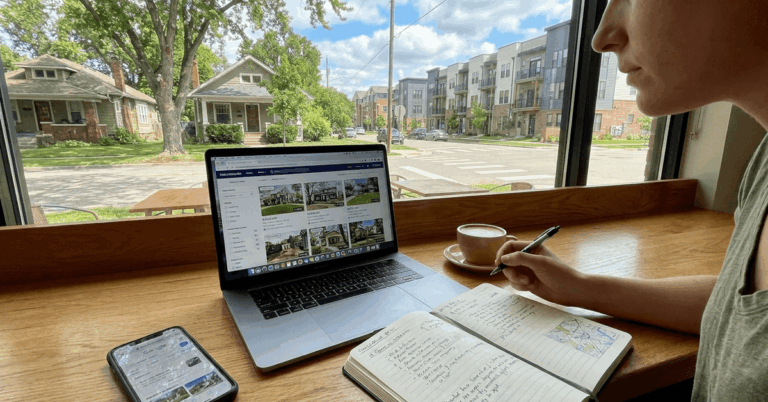
Most people start with major property sites. Well-known portals such as Zillow or Realtor.com let users browse a wide range of affordable houses for rent using filters like price, size, and location. These can save time, but results sometimes highlight the most promoted, not always the most affordable, listings.
Social Media and Community Forums
Local Facebook groups or neighborhood boards occasionally surface good deals that may not reach big portals. It could feel a little uncertain or informal at times, so due diligence is wise. Still, interesting bargains sometimes emerge this way.
Word of Mouth and Networking
Telling friends, coworkers, or even acquaintances about your rental search isn’t always a first step, but it does matter. Many affordable rentals never reach public listings. Sometimes, just mentioning a need sparks a lead.
Local Agencies and Nonprofits
Several cities, especially larger ones, have agencies devoted to fair housing. These organizations may provide certified lists, or helpful guidance, tailored toward individuals seeking affordable rentals. It’s worth checking local government websites, or nonprofit housing counselors for current programs.
What Makes a House “Affordable”?
Affordability isn’t about the lowest price. It’s about the portion of your income dedicated to rent and what you get for it. Generally, housing is considered affordable if it costs less than 30% of gross income.
Market Rates and Median Incomes
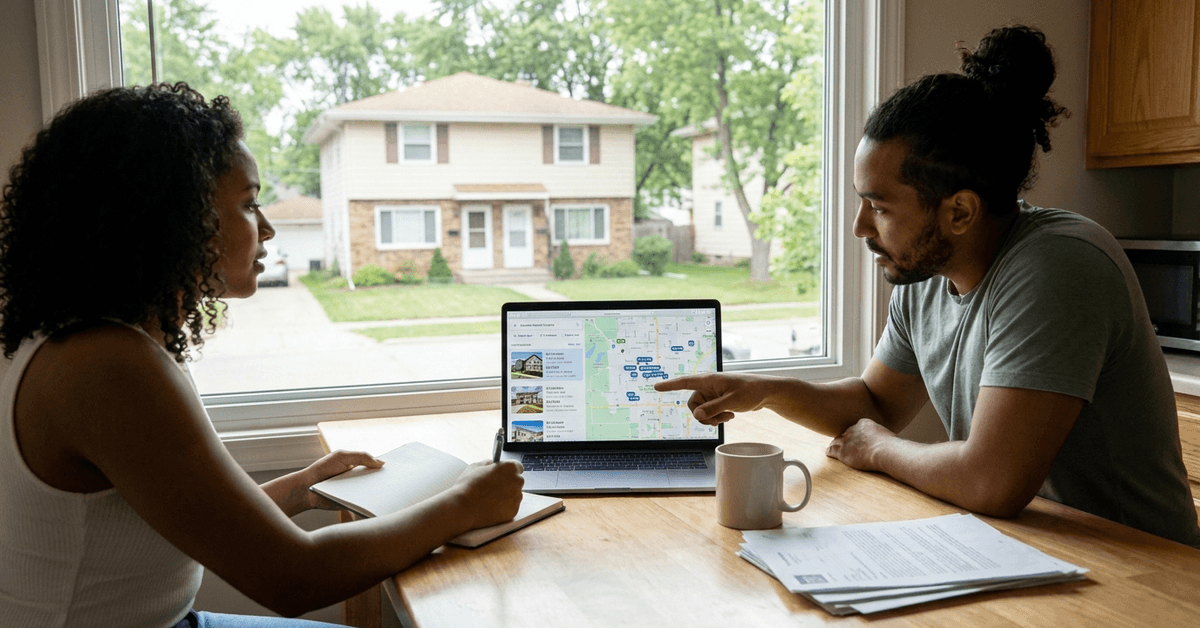
Rental markets fluctuate by city—or even neighborhood. Comparing average rents to median local incomes helps identify truly affordable houses for rent . For instance, what’s affordable in a rural region might not seem so in a major urban area.
Additional Expenses to Consider
Sometimes, rental prices seem low but add unexpected costs: utilities, maintenance, parking, or HOA fees. Factoring these in is crucial. What looks like a good deal isn’t always so, once extras are included.
Types of Affordable Rental Houses
Affordable doesn’t mean one size fits all. Different rental options appeal to a variety of needs—families, singles, students, or older adults. Here are some popular options in budget-friendly housing.
Single-Family Homes
Single-family homes, though often assumed to be costly, are sometimes available at lower rents, especially if located outside of urban centers. These may suit small or growing families who need extra space.
Townhouses and Duplexes
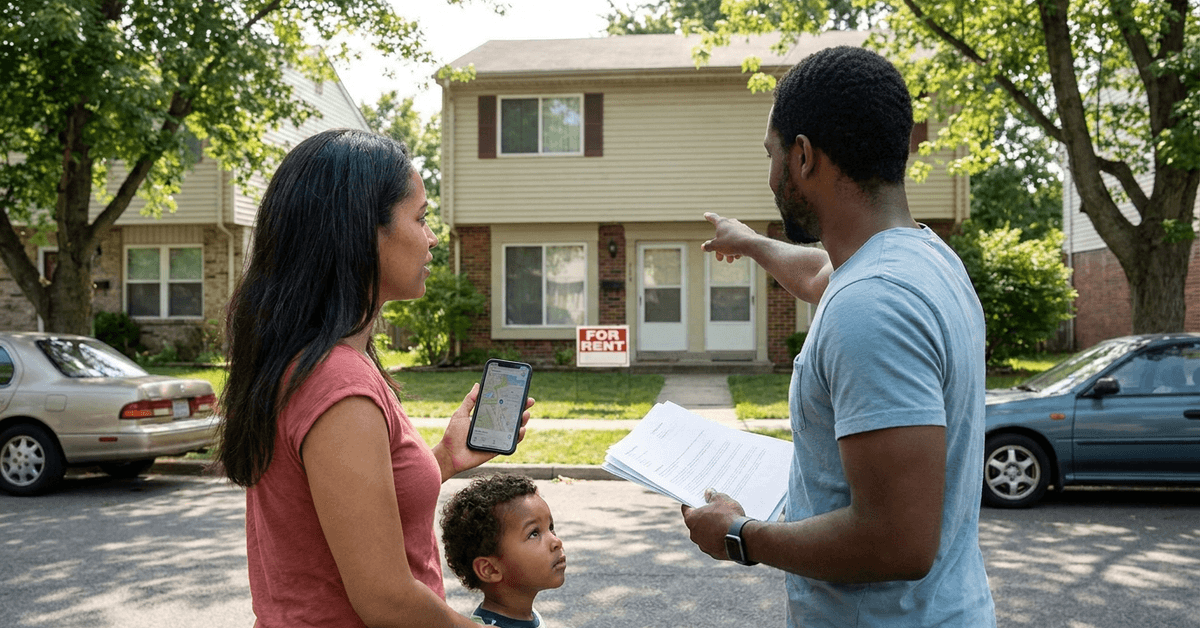
Townhouses and duplexes typically blend the comfort of a home with some cost-saving features. Shared walls, compact yards, or owners looking for reliable renters keep prices modest. Some older duplexes are especially affordable.
Accessory Dwelling Units (ADUs)
Garage apartments or backyard cottages—collectively called ADUs—are increasingly offered at reasonable prices. They tend to be smaller but deliver privacy, flexibility, and a lower entry point for renters shopping on a tighter budget.
Shared Houses
For some, especially students or young professionals, sharing a rental home with others reduces costs dramatically. Each person rents a room, splitting living areas and expenses. Sometimes, it helps to ask about this option if flexibility exists.
Key Features to Watch For in Budget Rentals
Pursuing affordable houses for rent means being willing to compromise on some features, though not at the expense of health or convenience. Here are typical trade-offs observed during the search.
Location
Less expensive rentals may be farther from downtown cores or popular attractions. Commute times could increase, but public transit access sometimes offsets that. There’s often a balance here, one most budget renters know well.
Condition and Age of Property
Older homes are frequently among the most affordable, but maintenance can vary. Simple décor or dated finishes might not matter to everyone, as long as basic safety and comfort are assured.
Included Amenities
Affordable doesn’t always mean bare-bones. Some rentals include extras like laundry, yard space, or off-street parking. Reading listings carefully, and perhaps even asking, can uncover unexpected perks.
Tips for Navigating the Affordable Rental Market
It can take patience to find a truly good value. Some practical advice stands out from the common experiences of past and current renters.
Be Ready With Documentation
In markets with lots of competition, landlords may process applications quickly. Having income verification, references, and previous rental history already prepared will make the process smoother, or at least a bit less stressful.
Visit in Person, if Possible
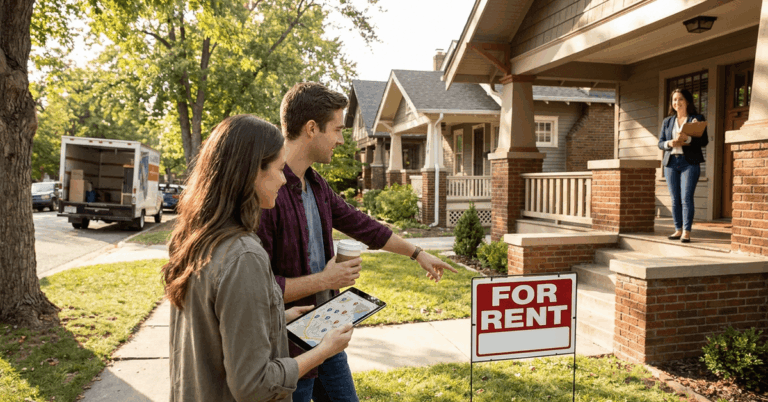
Photos don’t always reflect reality. If distance allows, touring a property helps judge its actual condition, the neighborhood, and the “feel”—which sometimes gets underestimated, but often matters more than expected.
Negotiate When Possible
Some renters find that expressing flexibility (like longer-term leases or willingness to handle minor maintenance) results in modest rent reductions. It doesn’t always work, but even small savings can add up over time.
Understanding Your Rights and Rental Agreements
Affordable doesn’t mean sacrificing legal protection. Landlords still must abide by relevant regulations, and it’s wise for all renters to understand their position before signing anything.
Lease Terms and Deposits
Read the lease language carefully, paying attention to renewal clauses, penalty structures, and maintenance obligations. Deposits should be reasonable and refundable under fair terms; this sometimes gets overlooked in urgency.
Local Tenant Laws
For information on rights and responsibilities, reputable sources like the U.S. Department of Housing and Urban Development can clarify rules on security deposits, notice periods, and repair obligations. Laws differ by state or even by city, so local advocacy offices can be helpful too.
Emerging Trends in Affordable Rentals
Some shifts in the rental market suggest new opportunities for affordable housing seekers. Building awareness here might reveal niches not previously considered.
Build-to-Rent Developments
Entire communities built expressly for renters are emerging nationwide. Some focus on simplicity and cost, offering flexible lease terms and move-in packages to appeal to price-conscious tenants.
Short-Term Leases and Co-Living
Shorter leases, or shared co-living arrangements, are no longer just for students. Many work-from-home professionals now look for affordable, flexible homes. These sometimes blend private space with communal benefits, adjusting costs downward.
Technology-Focused Rentals
Virtual tours, online payment platforms, or smartphone-managed maintenance requests are improving the experience for renters—and sometimes resulting in lower fees or deposits, as administration costs drop. Keeping an eye on new tools may yield savings over time.
Getting the Most Value From Your Affordable Rental
It’s not only about monthly cost, but the overall experience. Reflecting on priorities—location, comfort, personal safety—and asking plenty of questions often helps renters avoid disappointment later and get the most from their choice.
Affordable rental housing isn’t a myth, even if it takes some work to secure. Persistence, preparation, and the willingness to look a little “off the beaten path” can all pay off eventually. And, perhaps, what feels out of reach at the start proves more attainable with the right knowledge and patience.