Searching for a house available for rent in your area can be a daunting process. Between shifting prices and changing neighborhoods, the experience is rarely straightforward.
This guide explores accessible ways for individuals and families to find rental properties that truly meet their needs. Those who want value, privacy, and a manageable monthly rent will likely find a few nuggets of wisdom below.



Why Local Rental Markets Matter?
Not all rental markets are created equal. Some cities are competitive; others have a more relaxed pace. Recognizing trends in your local housing scene often leads to better decisions and fewer surprises.

Individuals searching for homes in larger cities sometimes experience high demand and short listing windows. In smaller towns, periods of slow activity can make patience essential.
Neighborhood Features to Consider
Renters might hesitate between neighborhoods based on schools, public transport, or local amenities. It’s rarely just the property; the setting matters just as much, perhaps even more in some cases.
Crime rates, access to parks, and future development plans all play a significant role in long-term satisfaction.
Rental Pricing Fluctuations
It’s common to see prices change quickly, especially during busier seasons. Sometimes, rent increases reflect real market shifts.
Other times, it might be a matter of aggressive marketing. Data suggests weekends and holidays bring even more activity.
How to Find Houses for Rent Nearby?
The most reliable results come from combining a few different strategies. Some prefer traditional routes; others lean into digital resources. Depending on local customs, one may be more effective than another.
Online Rental Platforms
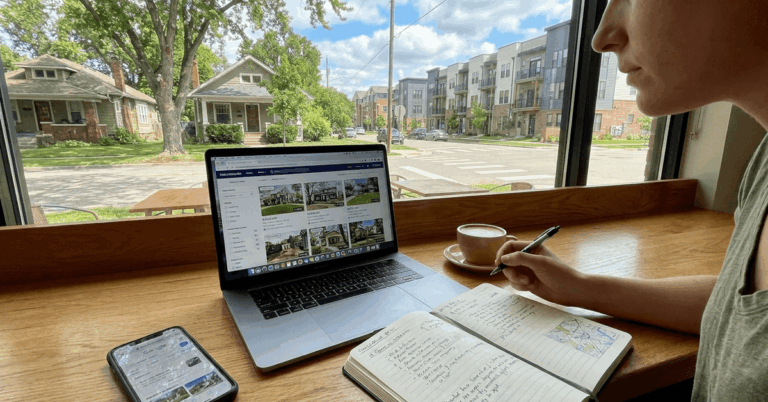
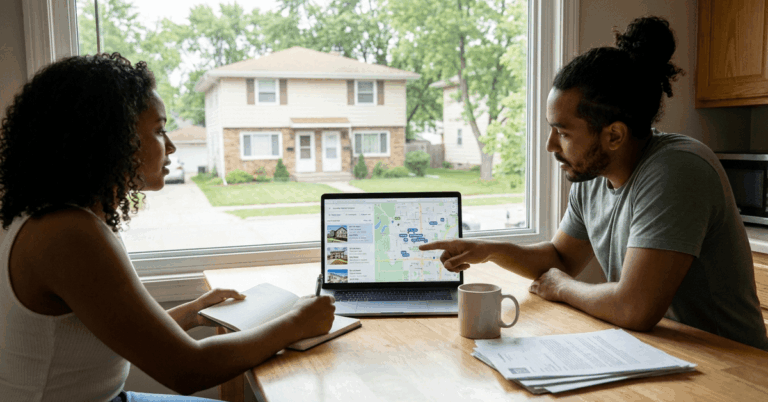
Websites like Zillow, Apartments.com, and Rent.com provide search filters by area, price range, and property type. Their map-based interfaces can help users visualize local listings and explore proximity to schools or offices.
Local Real Estate Agencies
Agencies sometimes list properties not advertised online. Agents can offer insight into the background of the neighborhood and tips on paperwork. Occasionally, they have early knowledge about homes before they appear on public sites.
Community Boards and Local Publications
Physical and digital bulletin boards, city newspapers, and neighborhood social websites occasionally post rental ads. These can feature unique deals or private listings that larger platforms might miss.
Networking and Word of Mouth
Letting friends, work colleagues, or family know about your search increases the chance of discovering options before others do. Many lesser-known houses for rent are found this way, though this does take some patience and follow-up.
Assessing a Rental Property: Important Factors
Once a good candidate is found, attention often shifts to details. Sometimes first impressions mislead; a closer look can reveal hidden benefits or drawbacks. Renters might want to take notes or photos during a visit to compare properties fairly.

Comparing Cost Versus Amenities
It is tempting to focus on price, but a marginally higher rent with included utilities or onsite laundry may work out better. Sometimes a low monthly payment hides extra costs in maintenance or commute time.
Lease Term and Flexibility
Short-term and long-term leases each have pros and cons. Some landlords prefer one-year agreements, while others offer more flexible arrangements. Read agreements closely for details about move-in dates, pet policies, or renewal terms.
Condition and Upkeep
Signs of recent repairs, working appliances, and functioning heating or cooling systems signal good property management. Neglected repairs might mean larger issues down the road. Documentation—photos or a checklist—can clarify condition at move-in.
How to Avoid Rental Scams in Your Area?
Rental scams unfortunately remain common. Fraudsters target those new to the area or individuals who appear pressured to find housing quickly. Staying vigilant is a renter’s best protection.
Red Flags to Watch Out For
- Requests for upfront payment before seeing the property
- No opportunity to physically tour the unit
- Landlords with vague or shifting contact details
- Unusually low prices compared to local averages
Verifying Ownership and Listings
A simple online property record search or phone call to the agent’s office may confirm authenticity. When in doubt, ask for a lease contract and review it carefully. If something seems odd, it often is.
Tips for Saving Money on House Rentals
There are ways to optimize costs while still choosing suitable housing. Not all strategies work everywhere, but it’s worth considering a few options before making a decision.
Consider Off-Peak Season Searching
Moving in off-peak months—often outside summer holiday periods—may bring opportunities for negotiation. Landlords with empty properties tend to be more flexible during quieter times.
Negotiate Lease Terms
Polite negotiation occasionally results in better rent, waived fees, or additional amenities. It helps to demonstrate reliability and ask about long-term commitment discounts.
Expand Search Radius Slightly
Properties just outside main city centers or popular districts are often less expensive. Small extra commutes sometimes bring significant monthly savings.
Understanding Legal Rights and Responsibilities
Knowing rental laws in your area protects both your finances and peace of mind. Most local government websites outline tenant rights clearly, though not all are easy reads. Some tenants are surprised by clauses that cover deposits, repairs, or eviction procedures.
Security Deposit Rules
Laws usually dictate how much a landlord can request and how quickly they must return deposits after move-out. Documentation is important here—keep a copy of the agreement and photos of the property’s condition.
Maintenance and Repairs
Find out who is responsible for fixing appliances, plumbing, or heating. Good communication early on prevents misunderstandings. It helps to have terms in writing whenever possible.
Resources for Local House Hunters
Besides popular websites, many communities and cities maintain dedicated housing portals. Local social media forums, municipal agencies, and nonprofit organizations sometimes curate lists of available homes. This kind of grassroots support can be surprisingly effective.
- Zillow
- Apartments.com
- Local housing nonprofit
Final Thoughts
Finding a house for rent in your area becomes easier when you combine online platforms, local agencies, community sources, and word-of-mouth leads.
A good rental choice should balance price, location, amenities, lease terms, and overall property condition. Renters should also stay alert for scams, especially listings that request payment before a property tour or provide vague landlord details.
With careful comparison, clear documentation, and patience, you can find a rental home that fits your needs and budget.