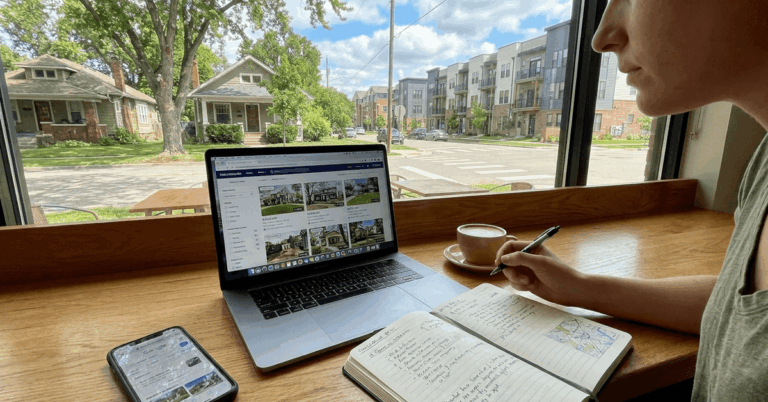
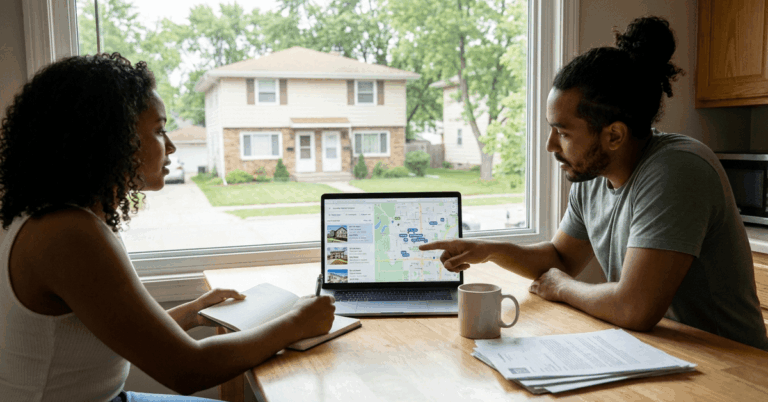
Searching for a rental home can feel overwhelming, especially when listings move quickly and prices vary from one neighborhood to another. Many renters start with large rental platforms, but local research can often reveal better options, more accurate pricing, and useful details that are not always shown online.
A smart rental search is not just about finding a place that looks good in photos. It also means checking the neighborhood, understanding lease terms, comparing total monthly costs, and knowing your rights before signing. This guide explains how to search for local rentals with more confidence and fewer surprises.



Why Local Rental Research Matters
Local rental options can give you a clearer picture of what is actually available in your area. Large websites are useful, but they may not show every property, especially rentals managed by smaller landlords, local agencies, or community-based property managers.
When you focus on local listings, you can also learn more about the area itself. Things like parking, traffic, public transportation, noise levels, grocery access, and school zones can affect your daily life just as much as the rent price.

Start With a Realistic Rental Budget
Before contacting landlords or booking tours, set a clear monthly budget. Rent is only one part of the cost. You may also need to pay utilities, internet, parking, renter’s insurance, pet fees, application fees, or a security deposit.
A practical budget should include both fixed and flexible expenses. For example, a cheaper apartment farther from work may cost more in transportation, while a slightly higher rent may be worth it if utilities or parking are included. Looking at the full monthly cost helps you avoid choosing a rental that becomes difficult to maintain later.
Choose the Right Neighborhoods First
Many renters lose time because they search too broadly. Instead of looking at every listing in a city, choose a few neighborhoods that match your needs. Consider commute time, safety, nearby services, public transport, walkability, and the general rental price range.
It can also help to visit the neighborhood at different times of day. A street that seems quiet in the afternoon may feel different at night or during rush hour. If possible, talk to local residents or nearby businesses to get a better sense of the area.
Use Multiple Rental Sources
Online rental platforms are a good starting point, but they should not be your only source. Some landlords prefer local real estate agencies, community boards, local housing groups, or direct referrals instead of major listing websites.
You can also check local property management companies, neighborhood social media groups, university housing boards, and municipal housing resources. For renters who may qualify for assistance or affordable housing programs, the official HUD Housing Choice Voucher resource can be useful for understanding how voucher-based rental support works in the United States. HUD explains that the Housing Choice Voucher program helps eligible households afford housing by paying part of the rent through local housing agencies.
Compare Listings Beyond the Monthly Rent
A low advertised rent does not always mean the best value. One rental may appear cheaper but charge extra for parking, utilities, laundry, trash, or pets. Another may cost more upfront but include services that reduce your total monthly expenses.
When comparing listings, look at the full picture. Consider the size, layout, building condition, lease length, deposit amount, included utilities, maintenance process, and distance from work or school. A simple comparison table can help you see which rental offers the best overall value.
Tour the Property Carefully
Photos can hide important details, so an in-person or live virtual tour is essential whenever possible. During the tour, check the condition of doors, locks, windows, appliances, plumbing, heating, cooling, lighting, and floors. Pay attention to signs of water damage, pests, poor ventilation, or neglected repairs.
You should also test practical details. Open cabinets, check water pressure, listen for outside noise, confirm cell signal, and ask how maintenance requests are handled. These small checks can help you avoid renting a place that looks fine online but has daily problems after move-in.
Ask the Right Questions Before Applying
Before submitting an application, ask clear questions about rent, deposits, fees, lease length, renewal terms, maintenance responsibilities, and move-in dates. If the landlord allows pets, confirm whether there are breed restrictions, pet rent, or extra deposits.
It is also smart to ask about rent increases and lease renewal policies. Some renters focus only on getting approved but later discover that renewal terms are less flexible than expected. Clear answers before applying can prevent frustration later.
Review the Lease Before Signing
The lease is one of the most important parts of the rental process. Read it carefully before signing, even if the landlord seems trustworthy. Pay close attention to payment due dates, late fees, maintenance rules, guest policies, early termination terms, renewal clauses, and deposit refund conditions.
Never rely only on verbal promises. If the landlord agrees to repairs, fee changes, or special terms, ask for those details in writing. A written record protects both sides and reduces the chance of misunderstanding.
Know Your Basic Tenant Rights
Tenant rights vary by state, city, and local law, so it is important to check the rules where you live. In general, renters should understand security deposit rules, eviction notices, habitability standards, privacy rights, and protections related to tenant screening.
The official Consumer Financial Protection Bureau renter rights page is a helpful place to start. The CFPB explains that renters may have local, state, and federal rights that can affect housing stability, eviction protections, debt collection, and future rental applications.
Watch Out for Rental Scams
Rental scams are common, especially when the market is competitive. Be careful with listings that seem far cheaper than similar homes in the same area. Also be cautious if someone asks for money before a viewing, refuses to provide a lease, avoids direct questions, or pressures you to act immediately.
A legitimate landlord or property manager should be willing to verify ownership or management authority, provide clear lease terms, and use secure payment methods. If something feels rushed or unclear, pause before sending money or personal documents.
Prepare Your Application Documents
Rental applications often require proof of income, identification, references, employment information, and sometimes a credit or background check. Having these documents ready can help you move faster when you find a good place.
You may also want to prepare a short renter profile, especially in competitive markets. This can include your move-in date, employment status, household size, and references from previous landlords. A complete and organized application can help you stand out without sounding overly formal.

Document the Move-In Condition
Before moving in, take photos and videos of the property. Record floors, walls, appliances, windows, bathrooms, locks, and any existing damage. Send the documentation to the landlord or property manager and keep a copy for yourself.
This step is important because it can help protect your security deposit later. If there is a dispute when you move out, dated photos and written notes can show what condition the rental was in when you received it.
Final Thoughts
Finding a local rental home takes more than scrolling through listings. The best approach combines budget planning, neighborhood research, careful tours, lease review, and awareness of tenant rights. A rental may look attractive at first, but the real value depends on total cost, location, condition, safety, and contract terms.
Before applying, compare multiple options and avoid rushing into a lease because of pressure or limited availability. Use official resources when you need help understanding rental assistance or tenant protections. A careful search can help you choose a home that fits your budget, lifestyle, and long-term comfort.