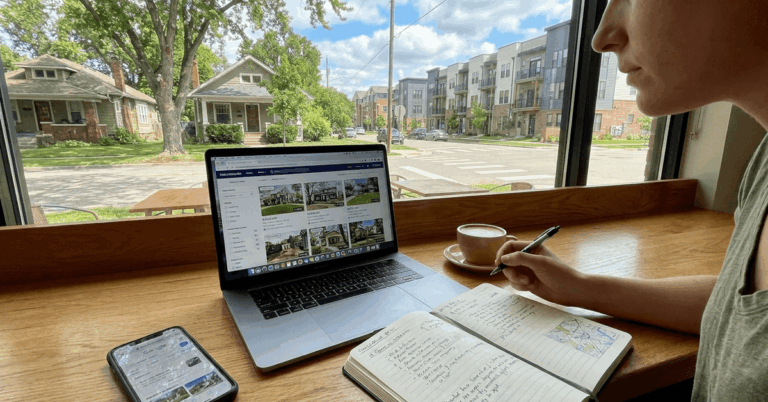
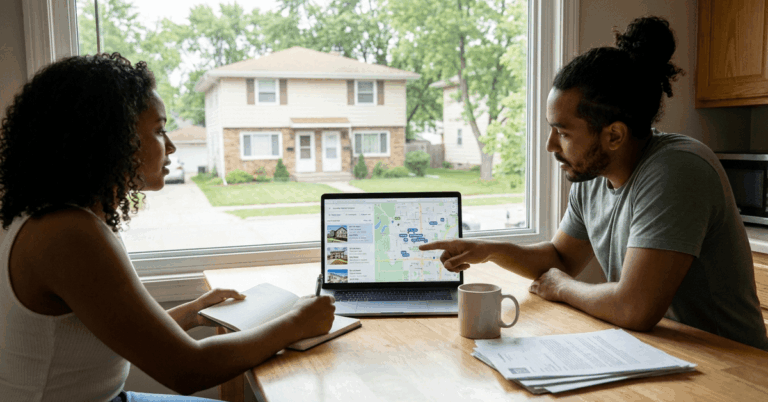
Searching for homes available for rent near you might feel overwhelming at first. Yet, with so many options and resources, there’s a good chance you’ll discover something that truly fits your needs.
This article covers the primary steps and considerations for anyone looking to rent a home, emphasizing practical advice and insights to help you navigate your journey.



Whether you’re considering your first home rental, moving to a new neighborhood, or just curious about rental trends, this guide aims to answer common questions and point you toward the right resources.
Why More People Are Looking for Homes to Rent?
The rental housing market has shifted noticeably in recent years. Economic fluctuations, interest rate changes, and lifestyle preferences have nudged more individuals and families toward renting instead of buying.
For some, renting offers flexibility. For others, it’s about simplicity or staying close to work and amenities. Sometimes, renting just feels more manageable than a long-term mortgage commitment – which, honestly, is understandable.
A quick look at your area might reveal a surprising range of properties and price points waiting to be explored.
Flexibility to Move
Renters often prefer the lower commitment that leases provide. If a job or life situation changes, moving is less complicated compared to selling a home. Families or professionals who anticipate change may prefer this route.

Lower Upfront Costs
Renting typically involves manageable deposits and fees, which are less daunting than securing a mortgage. Not having to put down a large down payment makes renting accessible for more people, especially first-timers.
Variety of Options
From city apartments to suburban homes or rural cottages, the range of homes available for rent is surprisingly broad nowadays. The key is really figuring out which features matter most to you before narrowing your search.
How to Begin Your Home Search?
Finding the right home starts with understanding your requirements. Consider factors like location, budget, size, and amenities. Many renters find it helpful to make a simple checklist before they browse listings – this helps narrow down choices quicker.
Setting a Realistic Budget
Calculating how much you can afford in rent – including recurring bills and utilities – is the logical first step. It’s generally recommended to limit rent payments to no more than 30% of your gross monthly income, though personal situations differ.
Identifying the Right Location
Think about commuting distances, access to public transportation, proximity to schools, or even the general vibe of a neighborhood.
Every area has its pros and cons. Perhaps you’re drawn to the buzz of downtown, or maybe you value quieter suburbs; both have merits and drawbacks.
Deciding on Essentials vs. Nice-to-Haves
Some features might seem essential at first but become negotiable as you compare listings. A washer-dryer in the unit, dedicated parking, pet policies, or outdoor space are all worth considering, but priorities can change during your search.
Where to Find Rental Listings in Your Area?
Today, technology makes it easier than ever to browse available rentals. Still, occasionally, a rental opportunity appears through word-of-mouth or local community boards. Multiple channels, both online and offline, play an important role in helping renters find homes.
Online Property Portals
Large property websites aggregate listings from agencies, landlords, and property managers. Usually, you can filter results by neighborhood, price, and specific features – a time saver when you have clear preferences. Examples include Zillow, Realtor.com, or Apartments.com.
Local Real Estate Agencies
While online listings are convenient, agencies may offer details about homes not published elsewhere. Some experienced renters say that building a relationship with a nearby agent sometimes uncovers hidden gems or private listings.
Community Notices and Networking
Don’t overlook social media groups, local newspapers, or even bulletin boards in grocery stores and cafes. While this approach is less common, deals surfaced this way are occasionally more direct or personal compared to large platforms.
What to Watch Out for When Renting a Home
Navigating rental agreements requires careful attention. The process does come with potential obstacles: lease terms, security deposits, landlord policies, and of course, potential scams. It’s wise to go step by step, even if it might feel tedious sometimes.
Understanding Lease Agreements
Most leases outline responsibilities for both tenant and landlord. Points like notice period, rent increases, property maintenance, and guest policies should be read closely. If anything seems unclear or odd, consider asking questions before you sign.
Being Aware of Scams
Unfortunately, fraudulent listings do exist. Some warning signs include requests for wire payments before seeing the property, overly low prices, or a landlord unwilling to provide documentation. If in doubt, stepping back and validating credentials can help avoid issues.
Inspecting the Home in Person
Photos can be misleading; what looks bright and modern online might not match the reality. Arranging an in-person viewing helps verify the property’s condition and suitability. Certain details – like noise levels or neighborhood feel – might only be apparent when you visit.
Key Features to Compare When Evaluating Listings
While searching, it often helps to sketch a quick comparison of multiple homes. Some people even use simple tables to list features, cost, and contract terms side by side. Not every option will check every box, but a side-by-side look can make differences clearer.
Rent Amount and Included Utilities
Some rentals bundle utilities into the rent, while others expect tenants to cover heating, water, or parking fees separately. Knowing exactly what’s included avoids surprises after moving in.
Pet Policies and Lifestyle Fit
If you have pets or specific needs, double-check each listing’s rules. Pet-friendly housing, for example, might be less common in urban centers but more available in suburban environments.
Move-In Dates and Lease Length
Confirming when the property will be available and the minimum lease term helps prevent last-minute complications. Flexible leases exist, though year-long contracts are still the norm in many regions.
Tips for Submitting a Strong Rental Application
Competition can be fierce in popular markets. Even with plenty of homes for rent, a well-prepared application occasionally makes all the difference. While there’s no guaranteed approach, a good impression helps.
Gather Essential Documents
- Proof of income (such as pay stubs or bank statements)
- References from past landlords (if possible)
- Credit report or background check consent
- Photo ID
Having these ready when you apply may help things move faster, reducing the odds of losing out to another applicant.
Personal Statement or Introduction
Some applicants choose to add a note introducing themselves to a landlord. A brief explanation about your work, reasons for moving, or commitment to caring for the property often adds a human touch that’s appreciated.
Legal Considerations and Tenant Rights
Rental laws differ depending on your city or state, but most regions have basic protections for both tenants and landlords. Knowing your rights can be reassuring and help handle any disagreements or unclear situations calmly.
Security Deposits and Deductions
Understanding what landlords can legally deduct from your deposit – for example, actual damages versus normal wear – is crucial. Many tenancy agreements explain these details, but if something’s vague, local housing authorities might clarify typical rules.
Notice Periods for Moving Out
Most leases include a required notice period (like 30 or 60 days) before leaving. Missing this deadline can sometimes result in extra fees, so it’s wise to mark the date in advance, even if you’re not planning an early move.
Frequently Asked Questions About Renting Homes
Renters often have plenty of questions, especially the first time. The following are a few that seem to come up again and again, based on what people are really searching for.
Are furnished homes for rent more expensive?
Generally, yes. Furnished homes usually command slightly higher rents, reflecting convenience. But averages vary a lot between cities, so it pays to compare several listings before deciding.
What credit score is needed to rent a home?
Requirements differ, but many landlords prefer a score above 600. If your score’s lower, some landlords may still accept additional references or a higher deposit. It depends; sometimes, communication makes a surprising difference.
Can I negotiate rent prices?
Negotiation is possible, though less common in highly competitive locations. Still, certain situations – such as longer leases or off-peak seasons – may give tenants extra leverage.

Final Thoughts on Renting Homes
Finding homes for rent near you becomes easier when you define your budget, location needs, and must-have features early. Renters should compare listings carefully, inspect properties in person, and watch for possible scams before sending payments.
A strong application with income proof, references, and clear communication can improve approval chances. With patient research and smart preparation, renting can offer flexibility, comfort, and a practical path to the right home.