Searching for adoptable dogs near you might feel a little overwhelming at first, but there are approachable ways to check which pets are available in your area. Whether you’re a first-time pet adopter or simply exploring your options, understanding the steps can make the process truly rewarding.
People interested in adopting a dog often ask where to start, what to expect, or even if local shelters are the best places to look. Learning the basics creates a smoother experience.



Why Pet Adoption Can Be Life Changing
Many individuals believe that welcoming a dog into their home is about companionship, but the experience often goes deeper than expected. Adopting a pet is sometimes about giving a second chance, or perhaps just providing a bit of comfort to a lonely animal.
There’s often talk about the benefits of adoption over other options; it fosters responsibility while offering emotional rewards. Some people notice how an adopted pet transforms the atmosphere at home—it truly does add something genuine to daily routines.
Companionship and Personal Growth
Dogs infuse joy, structure, and sometimes even new friendships into life. That gentle nudge in the morning or a wagging tail after a tiring day can make challenges feel lighter. It might sound cliché, but the impact is real. Sometimes, the growth happens quietly over time; you may not notice until you reflect on it later.

Supporting Local Communities
Opting for adoption means supporting shelters and community efforts. Local organizations often do the best they can with limited resources, so it helps when community members participate. Many feel a sense of pride, knowing their choice aids ethical pet care. Every adoption opens space for another animal to receive help.
Cost and Health Benefits
Adoption fees sometimes go toward veterinary care or vaccinations, making dog adoption a practical route. Adopters often report improvements in emotional wellness too. Just sharing daily walks with a dog can boost mood and physical health over time.
How to Explore Adoptable Dogs Near You
For those who want to get started, a few practical suggestions could make all the difference. Usually, the process begins with a bit of research and a few key considerations.
Local Animal Shelters
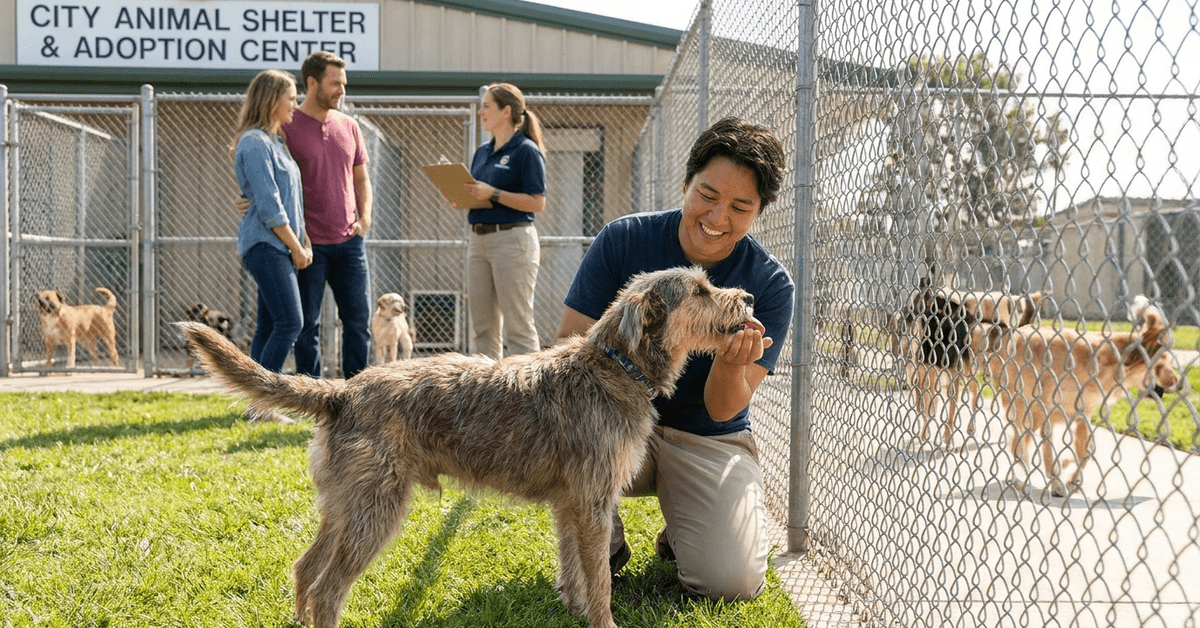
Many communities have dedicated animal shelters or humane societies. Visiting in person or browsing their official websites introduces current adoptable pets, including detailed profiles. Profiles often include age, temperament, and adoption requirements.
Reputable Adoption Websites
Several widely recognized pet adoption platforms offer search tools to filter by location, breed, and age. Some well-established options include Petfinder, Adopt-a-Pet, and the ASPCA website, each listing available animals from many sources. Using online filters helps focus a search without feeling overwhelmed.
Community Networks
Occasionally, local Facebook groups or community boards post about pets needing rehoming. While these can be helpful, verifying information and ensuring ethical practices is important before proceeding.
How Adoption Platforms and Shelters Work
It’s helpful to understand the general process before making any decisions. Adoption isn’t instantaneous, but the steps are often clear.
Application and Screening
Most shelters ask for a detailed application to ensure the match fits both the adopter’s lifestyle and the dog’s needs. Some applicants worry this process is invasive, but it’s simply there to support a positive outcome.
Meeting the Dog
Potential adopters might have a chance to meet the dog—sometimes multiple times. This period allows for bonding and discovering if everyone’s comfortable with the arrangement. A little patience can go a long way during this step.
Home Visits and Adjustments
Occasionally, animal welfare groups request a home visit prior to adoption. This isn’t always a requirement, but it may help prepare the home environment and ease the dog’s transition.
Key Considerations Before Adopting a Dog
Choosing to adopt is a significant decision that affects both the adopter and the animal. Taking time with these considerations usually helps set realistic expectations.
Understanding Commitment
A dog often requires daily care, medical attention, and plenty of companionship. While some people might find themselves ready, others may realize they need more preparation. The decision doesn’t have to be rushed.
Home Environment and Lifestyle
Some living spaces, such as apartments or shared houses, have rules regarding pets. It’s worth looking into pet policies early in the process. Matching the dog’s energy level with the adopter’s lifestyle also creates a happier outcome.
Financial Planning
Beyond the adoption fee, consider the cost of food, veterinary care, grooming, and even toys. These expenses add up gradually, so a little budget planning could benefit everyone involved.
Best Practices to Check Available Pets
Methods for searching adoptable dogs differ, but patterns emerge after exploring a few options. There’s a reason why some steps come up again and again—they tend to work.
Set Location Filters
Narrowing search filters by zip code or city often leads to better matches and quicker responses from shelters. This simple adjustment frequently saves time and effort.
Review Profiles Thoroughly
Carefully reading each dog’s description provides valuable insight into personality and needs. Sometimes, there’s more to a pet than a photo can reveal.
Contact More Than One Organization
Looking into multiple shelters or agencies expands available options, and sometimes reveals pets not listed in a single directory. It doesn’t take much extra time and can increase the chances of finding the right match.
Benefits of Adopting Adult Dogs Versus Puppies
The decision between adopting a puppy or an older dog isn’t always straightforward. Each choice has pros and cons, and it seems natural to feel a bit uncertain.
Lower Maintenance and Training
Many adult dogs already know basic commands or routines, which can be comforting for first-time owners. On the other hand, some like the challenge of working with a young puppy—even if it means a bit more mess and unpredictability.
Predictable Personalities
An adult dog’s established temperament may offer clarity for adopters wanting fewer surprises. It can be easier to gauge activity level or compatibility with children based on previous records.
Getting Help and Resources
Questions may arise during the adoption journey, and it’s reassuring to know support is available. Shelters often connect new adopters with post-adoption counseling or training referrals. Numerous guides and checklists exist online for those interested in detailed planning or extra reassurance.
Popular Adoption Support Resources
- ASPCA (aspca.org)
- Petfinder (petfinder.com)
- Local humane societies
Introductory Training Materials
Some organizations include links to training resources or host volunteer-led classes for new adopters. A bit of early guidance could reduce stress in those first months, for both humans and dogs.
Frequently Asked Questions About Dog Adoption
People sometimes hesitate before reaching out to a shelter, wondering about the details. Here are a few common questions that come up:
- What documents or ID are usually required? Most shelters ask for proof of residence and valid identification, but exact requirements vary by location.
- How long does the process take? Some adoptions go quickly—just a few days—while others require several weeks. Timing depends on background checks and matching steps.
- Is it possible to adopt if renting? Many renters do adopt, but double-checking with landlords about pet policies is recommended.