Verivox is a German comparison portal that lets you compare electricity and gas tariffs based on your location and usage.
Its core goal is to show offers from multiple suppliers so you can sort and filter by the criteria you care about.



A good comparison is not only about the lowest first-month price, but also about total cost and contract conditions.
Electricity vs gas comparisons
Electricity and gas comparisons look similar on Verivox, but the cost drivers and contract details you should check can differ.
Electricity offers often emphasize contract length, price components, and switching timing, especially when you want to avoid default supply pricing.
Gas offers follow the same “enter usage and address” logic, but seasonal consumption patterns make realistic usage estimates more important.
What you need before you start
You typically need your postal code, household type, and an annual consumption estimate (kWh) from a past bill or meter history.
If you do not know your exact usage, you can still estimate, but your ranking may change once real consumption is used.
Have your current contract details ready, because cancellation periods and remaining terms affect when a switch can start.
How the Verivox comparison works
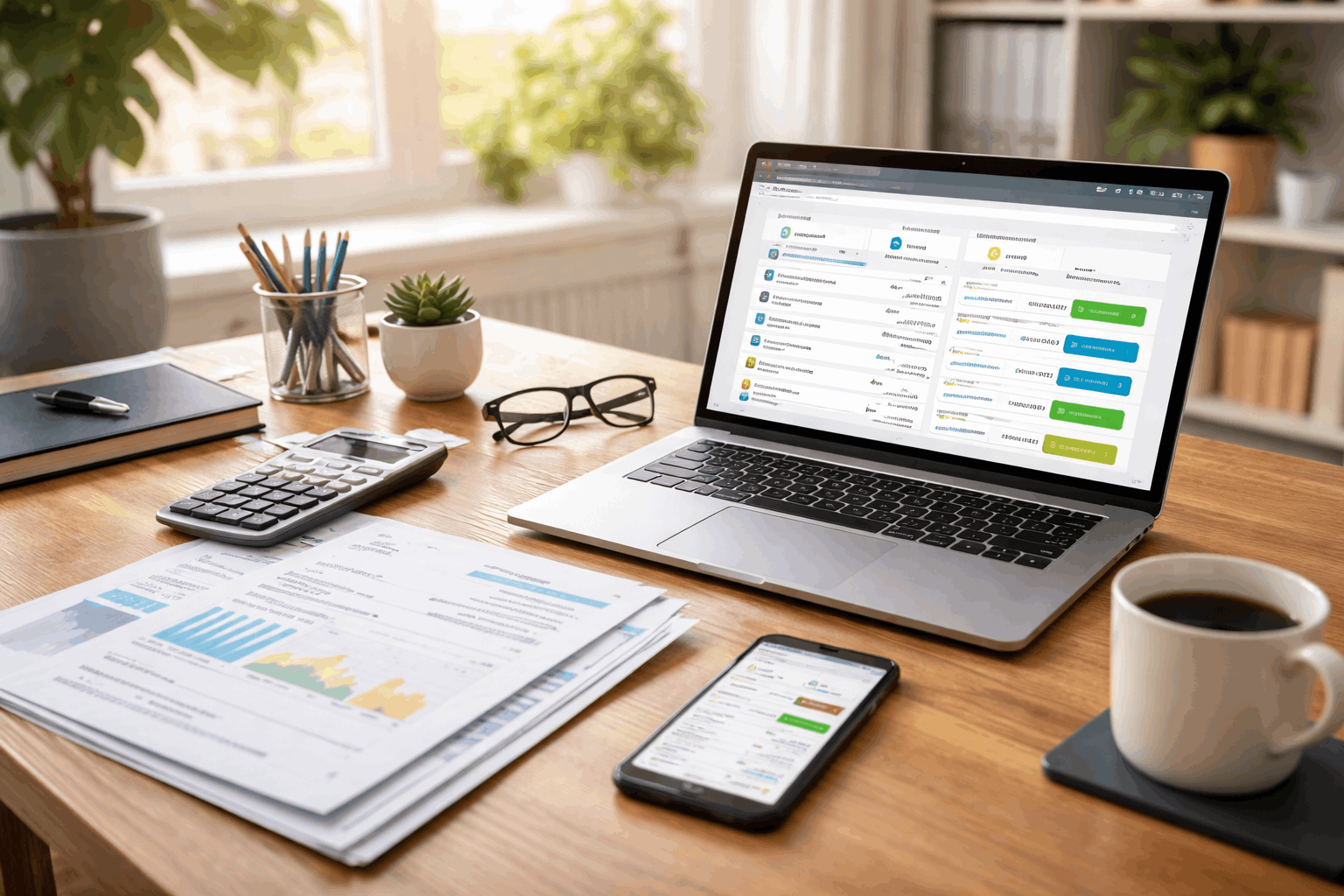
You enter your basic data, then the portal lists tariffs that match your location and consumption profile.
The results can be narrowed using filters so you can prioritize conditions like contract term, price stability, and payment preferences.
The portal also publishes energy market data and describes collecting large volumes of price points for reporting and analysis, which signals frequent market movement.
Even with good tooling, you still need to validate the contract summary and the supplier’s official documents before committing.
Entering address and consumption
Your postal code matters because grid fees and regional conditions affect the final price you pay, not just the supplier’s energy price.
Consumption matters because many tariffs combine a fixed base price with a variable price per kWh, making “cheap” depend on usage.
If you are switching after a move, you can start from default supply and then choose a new contract, but you should plan the timing to avoid gaps.
Filters that matter
Consumer advice commonly emphasizes choosing a manageable contract term, and many guides recommend something like 12 months to stay flexible.
Price guarantee filters can help reduce short-term price risk, but you should check exactly what the guarantee covers in the supplier’s terms.
Bonus-driven tariffs can look cheaper in the ranking, so it is important to verify bonus conditions and how they apply to your first-year total cost.
Understanding prices and contract terms
Energy contracts are usually a mix of a fixed component and a usage-based component.
The safest approach is to compare the estimated annual total cost and then cross-check the inputs that created that estimate.
Contract rules can matter as much as price, especially when you want to switch again if market prices drop.
If your supplier announces a price increase, consumer organizations note you may often have a special right to terminate and switch, depending on your case.
Base price and work price
The base price is a fixed amount you pay regardless of usage, which makes low-usage households more sensitive to high base charges.
The work price (per kWh) dominates for higher-usage households, so small per-kWh differences can outweigh a slightly lower base price.
When you compare offers, use the same consumption number across tariffs, otherwise your ranking is not a like-for-like comparison.
Bonuses and price guarantees
Bonuses can reduce first-year cost, but they may require conditions like minimum contract duration or on-time payment, so read the rules carefully.
Price guarantees can protect against certain increases, but they may exclude specific components, so confirm the scope in the tariff documents.
If you rely heavily on a bonus or guarantee to make the tariff “worth it,” treat that as a risk item and consider a simpler offer as a benchmark.
Switching providers safely in Germany
In Germany, switching is a standard process, and official guidance explains that you can choose a new supplier rather than stay in default supply.
If you are in Grundversorgung, the regulator notes you can usually cancel with a two-week notice period, which makes switching easier.
Public consumer guidance also stresses checking contract length and notice rules so you switch at the right time and avoid unwanted extensions.
Recent rule changes around switching timelines are widely discussed, so you should verify your dates, meter point details, and start window.
Who cancels and when
In many switches, you sign with the new supplier, and they handle much of the administrative process, which reduces effort for households.
You still remain responsible for respecting your current contract’s notice period and ensuring your start date matches your eligibility to switch.
Keep confirmation emails or PDFs, because written confirmation helps if there is a dispute about the start date, price, or cancellation status.
Deadlines, Grundversorgung, and moving
The Bundesnetzagentur explains that after moving in, you can end the default supply with a two-week notice if you do not want to remain there.
Consumer centers note that many contracts can only extend indefinitely and then become cancellable monthly, which changes long-term planning.
If you receive a price increase notice, consumer advice notes that you may often be able to terminate early and switch, so check the letter carefully.

Common pitfalls and how to avoid them
The biggest mistake is optimizing for the cheapest “intro” deal without checking the effective annual cost and the rules that trigger price changes.
Another mistake is relying only on portal ratings, instead of doing a quick credibility check on the supplier and contract documents.
Households in default supply often pay higher prices than many new-customer offers, so reviewing options can be financially meaningful in practice.
A disciplined comparison process uses filters, reads terms, and keeps switching timing aligned with your legal and contract deadlines.
Too-cheap offers and sudden price changes
If an offer looks unusually low, check whether the savings depend on a one-time bonus or a narrow price guarantee.
Price increases can occur, and you should read supplier communications carefully, even if they look like advertising.
If a price increase applies to you, you may often switch using special termination rights, but the details depend on your contract.
Provider credibility and service experience
A simple internet search for complaints, regulator actions, or persistent billing issues can reveal risks that a ranking alone will not show.
Prefer suppliers with clear contact options, transparent contract PDFs, and a straightforward billing approach you can understand.
If you are unsure about a clause, consider using the consumer center guidance on contracts, extensions, and billing clarity as your reference point.
Conclusion
A Verivox comparison is most useful when you enter realistic consumption and treat the annual total cost as the main decision metric.
The best result is rarely the one with the biggest bonus, but the one with clear terms, a manageable contract length, and a price structure that fits your usage.