Cashback credit cards have started to gain real momentum in Bulgaria. For many, understanding how these cards work can be pretty transformative when it comes to everyday purchases.
If you’re spending regularly, on groceries, fuel, bills, you might wonder if there’s a smarter way to get a bit back.



That’s exactly what cashback offers are. This guide is intended for Bulgarian consumers or residents interested in smarter spending and anyone considering a new financial product that could stretch their lev a little further.
Reliable information, not hype, is the aim.
What Are Cashback Credit Cards and How Do They Work?
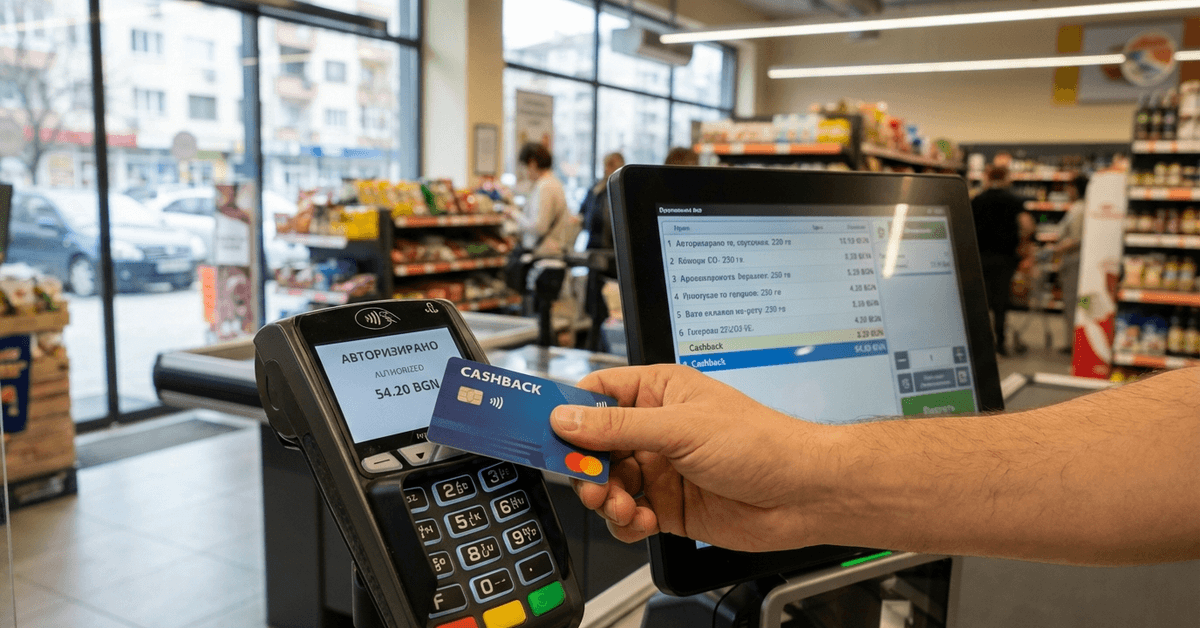
The core idea behind a cashback credit card is straightforward. You pay with your card, and a percentage of what you spend comes back as a reward—often in the form of credits or bill deductions.
It’s not a huge amount at once, perhaps just 1-3%, but over time it adds up. Some banks offer higher rates on certain spending categories, like supermarkets or gas stations.
Others keep it flat regardless of where you shop. Either way, it’s passive earning, which, if you ask around, feels a little like getting paid for what you were going to buy anyway.
There aren’t many financial products that are so easy to use, though of course, there are always terms to check carefully.
Key Benefits of Cashback Credit Cards in Bulgaria
Direct Savings on Everyday Expenses
Many people—myself included—are a bit skeptical of reward programs. Cashback, though, stands out for its direct savings.
You don’t have to fuss with points systems. Just spend and receive a small percentage back. Simple, but almost oddly satisfying when you see it on your statement.
Transparent Reward Structure
Transparency seems to be another attractive point. Most Bulgarian banks offering cashback have clear reward rates—no puzzling points or confusing exclusions.
Yet, sometimes, caps and minimum spends can make the process less straightforward than it initially appears. Reading the small print is wise.
Supplementary Perks
Aside from cashback, many of these cards offer extra perks. Think lounge access, travel insurance, or even discounts on partner retailers. Personally, I’ve found these features useful, though a bit hit-and-miss depending on lifestyle.
The Leading Cashback Credit Cards in Bulgaria
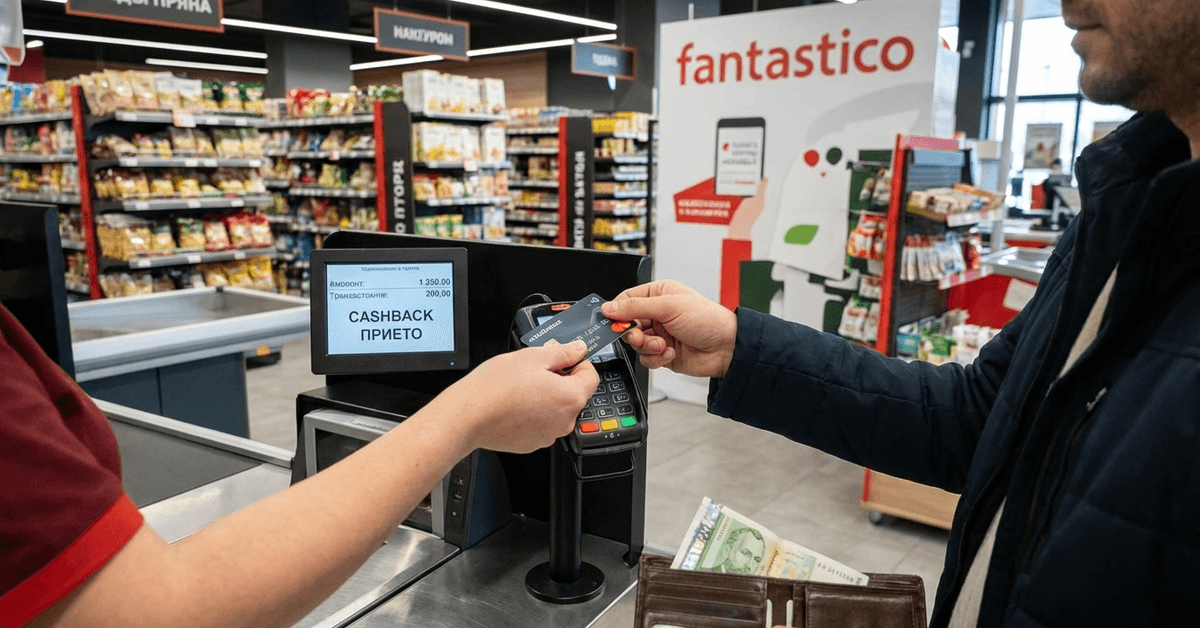
There isn’t an overwhelming number of options in Bulgaria, but the market is definitely expanding. Some well-known banks now compete by tweaking their offerings each year. Here are a few notable options:
UniCredit Bulbank Cashback Card
This one is quite popular. Offers up to 1% cashback on all domestic payments, with certain seasonal bonus campaigns. Annual fees are moderate compared to international cards.
DSK Bank Credit Cards
DSK has rolled out a few options for cashback, focusing on groceries and fuel purchases. Their Reward Program is straightforward but often comes with monthly caps.
Postbank Cashback Solutions
Postbank’s cards tend to push higher rates for specific categories—like restaurants or selected online spending. Worth watching for promotional periods, although they tend to change terms every so often.
Fibank “My Rewards” Credit Card
Instead of direct cash, this one sometimes provides rewards as vouchers for partner merchants—a subtle distinction that might suit anyone who doesn’t mind redeeming perks at specific stores.
Before making any choice, it’s probably best to compare the latest terms, as campaigns and reward structures are updated regularly.
Typical Requirements and Eligibility
Unlike some countries, Bulgarian banks are pretty clear about what they need from applicants. Most will ask for:
- Valid identity documents (Bulgarian ID or residence permit)
- Stable monthly income, usually verified via salary slips or employer confirmation
- Age requirement, typically 18+
- Sometimes, proof of permanent address in Bulgaria
If you’re a foreign resident, a bit more paperwork may be required, especially concerning income and official address registration. The approval process is usually quite quick—sometimes just a few days if all documents are in order.
How Cashback Is Paid and Redeemed
This is where things sometimes get muddled. While the core idea is money back, banks execute the payout differently:
- Monthly statement credits (most common)
- Annual cashback lump sums
- Redemption as e-vouchers or discounts with partner merchants
In many cases, if the cashback is not claimed or redeemed within a certain period, it may expire—so it’s worth tracking your statements.
That said, most users find it’s relatively automatic: as long as the card is used, the cashback accrues with no extra effort beyond checking the balance now and then.
Drawbacks and Limitations to Consider
Annual and Hidden Fees
Here’s something worth a careful look. Most cashback cards have annual fees—sometimes modest, sometimes surprisingly high.
These can eat substantially into your rewards, particularly if you don’t use the card regularly. It’s also good to spot hidden fees, like charges for foreign transactions or late payments.
Cashback Caps and Category Restrictions
While ads may promise generous rewards, nearly all cards enforce monthly or yearly caps.
Some also restrict cashback to certain categories. It’s not uncommon to see caps at around 50–100 BGN per month. That might sound like plenty, but for big spenders, it’s a definite limit.
Interest Rates and Payment Risks
Cashback’s only truly valuable if the card is paid off in full each month. Interest rates on Bulgarian credit cards can be quite high. If the balance rolls over, interest will almost always outweigh the cashback earned.
Comparing Cashback Credit Cards in Bulgaria
To decide which option is right, most people find it helpful to compare features, rates, and costs side by side. Here’s what to look at:
- Annual fee and extra charges
- Cashback rate (overall and by category)
- Spending caps and restrictions
- Minimum spend for rewards
- Supplementary perks or card-linked offers
Since rates and offers change often, some find it handy to check the official sites for UniCredit Bulbank, DSK Bank, Postbank, and First Investment Bank (Fibank) for the most current details.
Who Stands to Benefit Most from Cashback Credit Cards?
Cashback credit cards aren’t a fit for everyone. They work especially well for:
- Regular spenders who pay their monthly balances in full
- Households with stable incomes looking for small, reliable savings
- People are comfortable monitoring card terms, promotions, and statements routinely
On the other hand, those who struggle with credit management or unpredictable expenses might find the annual fees and potential interest charges outweigh the rewards.
Tips for Maximizing Cashback Rewards in Bulgaria
Concentrate Spending on One or Two Cards
Using several cards can dilute the benefit, especially with capped rewards. Often, focusing your spending on a well-chosen card maximizes monthly cashback.
Watch for Promotional Campaigns
Banks sometimes boost rates during special campaigns—seasonal shopping, travel, or holidays. Monitoring these can help you catch short-term extra rewards.
Monitor Terms and Update Personal Info
Rules and eligibility can shift. Keeping your contact information updated and checking for changes in card terms helps avoid missed rewards or unexpected fees.
Legal and Tax Implications for Bulgarian Cardholders
For most individuals, cashback received from credit cards in Bulgaria is not treated as taxable income—it is usually classified as a discount, not earnings.
However, in rare instances—like cashbacks linked to business spending—the situation might need clarification with a financial advisor.
As always, double-check with bank documentation and consider seeking advice if your cashback volume is unusually high or if you use the card for mixed personal and business expenses.
Banks also adhere to EU consumer protection laws, which help safeguard against unfair practices, though it remains prudent to review contracts before signing anything.
Alternatives to Cashback Credit Cards
If cashback doesn’t seem to fit, or the fees outweigh the perks, there are alternatives:
- Traditional rewards programs (accumulate points for travel or shopping)
- Debit cards with attached loyalty programs
- Prepaid cards with discount partner networks
Diversifying with a mix—say, one cashback card and one points-based product—can sometimes optimize total returns, though it does add a bit more admin to your monthly budget routine.
Frequently Asked Questions about Cashback Credit Cards in Bulgaria
Do all banks in Bulgaria offer cashback credit cards?
No, only select banks provide cashback as a feature. The list has been growing, but it’s still not universal.
Can foreign residents apply for cashback credit cards?
Yes, provided you have appropriate residency and income proof. The process might require more documentation than for Bulgarian citizens.
How quickly does cashback appear on my statement?
Usually, credits post monthly. Special campaigns or voucher rewards may take longer, depending on the bank’s process.
Is it possible to lose my cashback rewards?
Yes, if the card is not used for long periods, or if rewards expire unclaimed. Always read the card’s terms for exact rules.
Conclusion
Bulgaria’s best cashback credit cards offer exceptional reward accumulation, genuine cash recovery benefits, authentic spending flexibility, comprehensive merchant acceptance, proven reliable rewards consistency, and excellent support.
Apply for your Bulgaria cashback credit card today with complete confidence, knowing your thorough preparation and clear rewards understanding will help you effectively boost everyday savings significantly.