Germany’s credit market can feel crowded, so comparison tools exist to help you scan many loan offers faster than calling banks one by one.
The CHECK24 credit comparison tool is presented as a free, non-binding way to compare personal loan offers from multiple banks in one place.



Because loan decisions depend on your profile, a comparison result is only a starting point, not a guaranteed approval or a guaranteed rate.
What CHECK24 Credit Comparison Tool Is
CHECK24 is a German comparison platform that offers a dedicated credit comparison section for consumer loans.
The credit comparison is designed to show loan options based on the details you enter, such as amount and term.
The platform positions itself as a way to find cheaper offers, but the final contract is always between you and the lending bank.
Where the offers come from
CHECK24 credit comparison tool lists banks included in its credit comparison and provides an overview of participating lenders.
That list implies the offers are sourced via partner banks rather than CHECK24 lending you money directly.
A practical takeaway is that approval rules can differ by bank even when the loan amount and term look similar.
What the tool promises and what it cannot promise
CHECK24 credit comparison tool promotes “Schufa-neutral” comparison at the offer-checking stage, which is about how the inquiry is recorded.
It also advertises savings claims like “up to 40%,” which should be treated as a marketing statement rather than a personal guarantee.
No comparison tool can promise approval, because lenders still apply their own credit and identity checks at the contract stage.
How to Run a Loan Comparison Step by Step
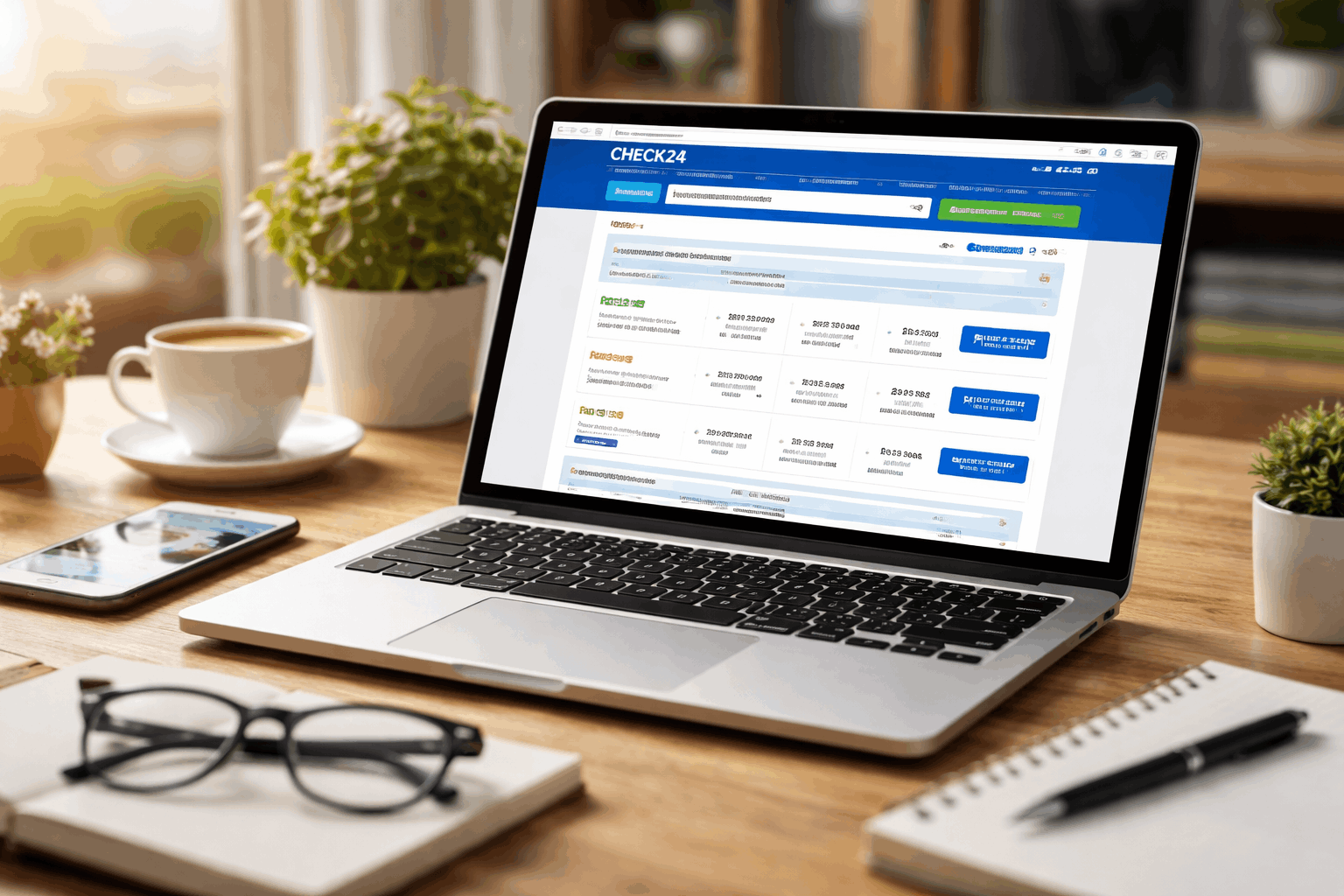
The CHECK24 credit page presents a calculator-style start where you set loan amount, term, and purpose.
The platform frames the result as personal offers you can request and compare, rather than one single “best” loan.
You should expect rate differences across lenders because banks price risk differently and may prefer different customer profiles.
BaFin recommends comparing consumer loans using clear criteria like total cost and conditions, not just an attractive headline rate.
Inputs you provide
You typically enter a loan amount and a runtime (term), which are core variables in any consumer loan quote.
CHECK24 credit comparison tool also shows a “purpose” field, which can matter because some lenders price.
If the tool asks for personal data to return tailored offers, treat that step as the point where privacy and data handling become especially important.
What happens after you submit
When you request one or more personal offers, the respective banks make a SCHUFA inquiry as part of that process.
The platform distinguishes the early-stage comparison as “Konditionsanfrage,” which it describes as SCHUFA-neutral for credit score impact.
Once you choose an offer and proceed toward a contract, lenders may run a different type of inquiry tied to an actual application.
SCHUFA and the Difference Between a Condition Inquiry and a Credit Inquiry
In Germany, loan shopping often involves SCHUFA-related inquiries, so knowing the inquiry type helps you avoid accidental credit-score side effects.
Loan comparisons use a condition inquiry that does not affect your score and is not visible to other banks.
A credit inquiry is associated with an actual loan application and is treated differently in SCHUFA records.
This difference is why comparing offers first is usually safer than submitting multiple full applications right away.
Why the distinction matters
A condition inquiry is meant for checking possible terms, while a credit inquiry signals an intention to take a loan and can be visible for a period.
The Credit inquiry marker is visible for a short window, which can matter if you apply to several banks at once.
If you feel pressured to “apply everywhere,” BaFin’s consumer guidance supports slowing down and comparing properly instead of rushing into commitments.
When a bank may run a deeper check
Even if a comparison stage is SCHUFA-neutral, lenders can still verify income and identity once you move from offers to a binding application.
Banks may request additional documents depending on your situation, such as residence status or work permits.
That later-stage verification is normal in consumer lending, and it is where many “soft” offers turn into a final yes or no.
How Loan Pricing Is Actually Determined
Loan pricing is not only about the interest rate you see first, because the full cost depends on conditions, fees, and repayment structure.
CHECK24’s educational pages emphasize comparing credit conditions, with a focus on the effective annual interest rate as a key cost indicator.
BaFin also encourages consumers to compare loans using understandable, comparable metrics rather than focusing on marketing claims.
If two loans look similar, you still need to read details like early repayment rules, rate fixation, and notice periods if they exist in the contract.
Key cost metric: effective annual interest rate
The effective annual interest rate is commonly used in Germany to express the overall annualized cost of a loan under the stated assumptions.
The effective annual rate helps you compare offers more fairly than a “nominal” rate alone.
When you compare, match the same loan amount and term across offers so the effective annual rate is actually comparable.
Term, amount, and purpose effects
Changing the term can change the monthly installment and the total interest paid, so “lower per month” can still mean “more paid overall.”
A stated purpose like debt consolidation can influence which lenders show offers, since banks may have different acceptance rules for different purposes.

Documents and Typical Eligibility Signals
Even with a strong comparison result, the lender still needs proof that you can repay, and that proof usually means documents.
CHECK24 credit comparison tool provides a document checklist that shows what many lenders typically request for a credit application.
The exact list can vary by lender and by borrower profile, so you should treat any checklist as “common cases,” not a universal rule.
Having documents ready can speed up the process, but it should never pressure you to accept a loan you do not fully understand.
Common documents lenders ask for
Employees often need income proof, while pensioners and retirees may need benefit statements or pension notices.
The same page explains that banks may ask for a work contract to confirm employment terms when they need more clarity.
If you are not a German citizen, proof of work authorization and residence status can be relevant for the lender.
Final Takeaway
The Check24 credit comparison tool can help you quickly compare multiple loan offers in one place.
Treat the comparison results as a shortlist, then verify the effective annual interest rate, total repayment cost, and key conditions.
Pay close attention to whether you are making a condition inquiry versus a full credit inquiry.