Running a business in Bulgaria brings opportunities and challenges. For entrepreneurs and growing companies, business credit cards can offer practical solutions for managing daily expenses and improving cash flow.
Understanding how these cards work, their advantages, and how to choose the right option could help business owners avoid complications—and perhaps even find unexpected benefits.


This article is designed for small business owners, startup founders, and financial managers in Bulgaria who want an overview of business credit cards.
Readers will discover how these cards can offer flexibility, rewards, and enhanced control while reducing administrative stress.
Why Consider Business Credit Cards in Bulgaria?
The Bulgarian market is evolving rapidly. New businesses appear, and established firms are modernizing operations. In this environment, credit cards for business stand out as tools that could track spending, simplify accounting, and free up working capital.

Separate Business and Personal Finances
It’s tempting to use a personal credit card for the business. Still, separating accounts often provides clearer insights and can help businesses maintain cleaner records. I think most bookkeepers would agree—the less mixing, the better.
Improve Cash Flow Management
Sometimes, invoices take time to get paid. Credit cards might offer a flexible buffer, letting a company cover costs now and pay later, once revenue arrives. It’s not perfect, but it can offer some breathing room during busy months.
Employee Spending Control
Many Bulgarian banks enable multiple cards with preset limits. Managers are able to delegate routine purchases while avoiding overspending. There can be risks, but accountability tends to improve with clear policies and trackable transactions.
Key Features of Bulgarian Business Credit Cards
Features and benefits differ depending on the bank and the card provider . However, several core offerings are common across Bulgarian financial institutions.
Expense Tracking and Reports
Many banks include monthly statements with category breakdowns. These reports may integrate with popular accounting tools, reducing manual work and minimizing mistakes.
Rewards and Cashback Programs
Some Bulgarian credit cards offer points, miles, or cashback on purchases. While the perks vary, companies that put all their eligible expenses on the card could accumulate valuable rewards or reinvest cashback into the business.
Flexible Payment Terms
Grace periods typically range from 30 to 60 days before interest applies. This might help companies preserve liquidity, especially in seasonal industries such as tourism or retail.
Contactless Payments and Security
Most cards feature contactless payments, chip & PIN protection, and even instant notification services. Security technologies continue to advance, but perhaps no solution is foolproof—so vigilance always matters.
Popular Business Credit Cards in Bulgaria
Several leading banks and financial institutions in Bulgaria issue business credit cards. Each provider caters to different business needs and risk profiles.
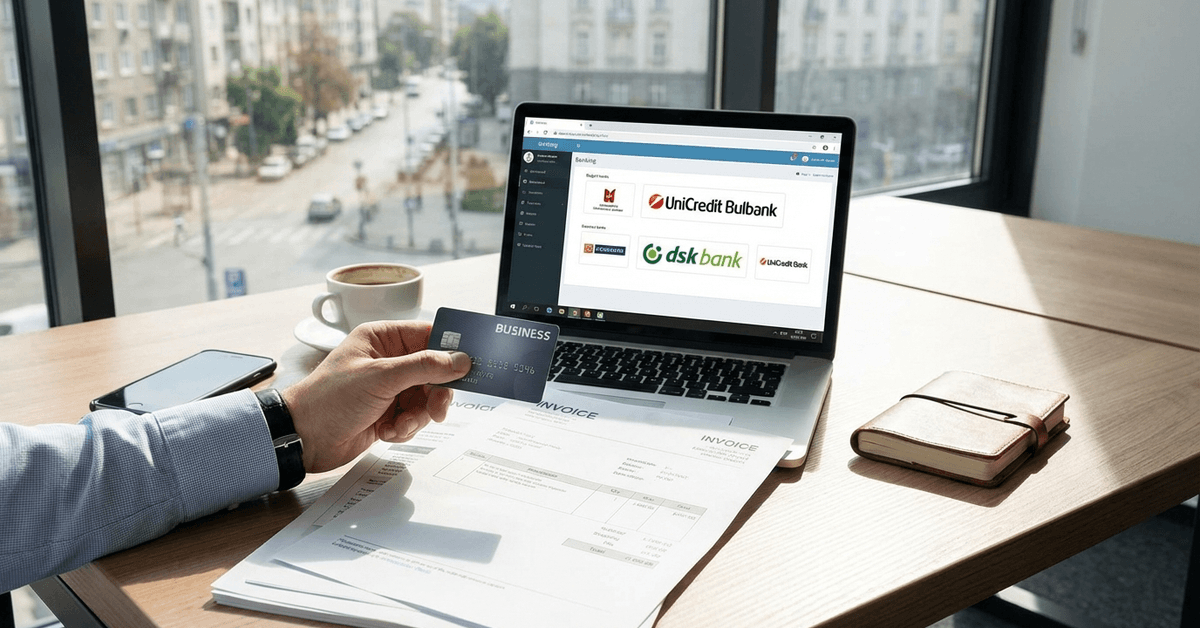
UniCredit Bulbank
UniCredit’s business cards include the Visa Business and Mastercard Business types. These provide straightforward reporting, competitive credit limits, and contactless features. Larger companies might prefer their corporate cards, which come with advanced controls.
DSK Bank
DSK Bank offers business customers several options with customizable spending limits, monthly summaries, and multi-user support. Reward schemes vary year by year, sometimes aligning with travel or office goods expenditures.
Raiffeisenbank Bulgaria
Raiffeisenbank’s cards support flexible payment schedules and online management tools.
Their cards can integrate with business software to make monthly reconciliations less stressful, though some business owners say the process still requires a little manual adjustment.
Other Financial Providers
International banks (like Citibank or BNP Paribas) and local fintech companies (such as Paysera) compete for market share with varied digital and mobile services.
Eligibility and Application Requirements
To apply for a business credit card in Bulgaria, most banks require a legal business entity registration (e.g., EOOD, OOD, AD). Documentation usually includes proof of address, recent financial statements, and identification for authorized users.
Standard Documentation Checklist
- Company registration documents
- Recent financial reports or tax returns
- Official proof of company address
- Valid identification for company representatives
- Bank references (sometimes optional)
Comparing Fees and Costs
Total costs vary across providers. Bulgarian business credit cards may include annual fees, monthly charges, cash withdrawal fees, or foreign exchange markups.
Sometimes, what appears inexpensive at first may become less so over time if transaction volumes grow.
Typical Fee Structure
- Annual or monthly service fee
- Interest rate on outstanding balances
- Fees for ATM withdrawals
- Foreign transaction fees
- Late payment charges
Careful review of terms and conditions is advised—sometimes small print hides additional costs that can impact profitability.
Benefits and Risks for Bulgarian Businesses
Business credit cards can be powerful, but they’re not without drawbacks. Sometimes, owners might underestimate the risks of debt accumulation. There’s no one-size-fits-all advice, but a balanced approach usually works best.
Advantages
- Speed and flexibility for urgent purchases
- Consolidated records for expense management
- Facility to set employee limits or issue secondary cards
- Opportunities to earn loyalty rewards
Potential Drawbacks
- High interest rates if balances are not paid promptly
- Overreliance may impact the company’s credit rating
- Fraud risks, if card handling procedures are lax
- Fees can accumulate unexpectedly
Legal, Tax, and Regulatory Considerations
Bulgarian law treats business credit card expenses as operational costs if supported by valid invoices and receipt records.
However, there may be nuances—for example, personal expenses paid on a company card can trigger tax complications. It’s usually best to consult with a local accountant.
Value-Added Tax (VAT) Deductions
Businesses registered for VAT are able to deduct eligible card purchase amounts. Still, the documentation and invoicing must be in order. VAT returns get complicated quickly if receipts and records are inconsistent.
Data Protection and Security Regulation
European GDPR rules apply, and banks must protect customer (and cardholder) information. Business owners are responsible for internal compliance as well, especially for employee-issued cards.
Optimizing Card Usage: Tips and Good Practices
Proper use of a business credit card can enhance a company’s financial management. On the other hand, misuse opens the door to financial and operational headaches.
Develop Internal Card Policies
Clear guidelines for what is and isn’t acceptable to charge can save time and reduce disputes. Periodic reviews of card statements help catch errors or inappropriate spending quickly.
Centralize Recurring Expenses
Automating regular payments—such as software subscriptions or supplier bills—through the business card could earn rewards and simplify monthly reporting. However, it’s wise to monitor limits closely.
Stay Alert for Unusual Transactions
Mobile app alerts and online dashboards help flag spending anomalies in real time. While card fraud is fairly rare, it does happen occasionally. Prompt detection is the best defense.
Conclusion
Bulgaria business credit cards offer exceptional company spending flexibility, genuine competitive business benefits, authentic expense management tools, comprehensive financial reporting features, proven reliable banking services, and excellent support.
Apply for your Bulgaria business credit card today with complete confidence, knowing your thorough preparation and clear understanding will help you effectively maximize your company’s financial flexibility.