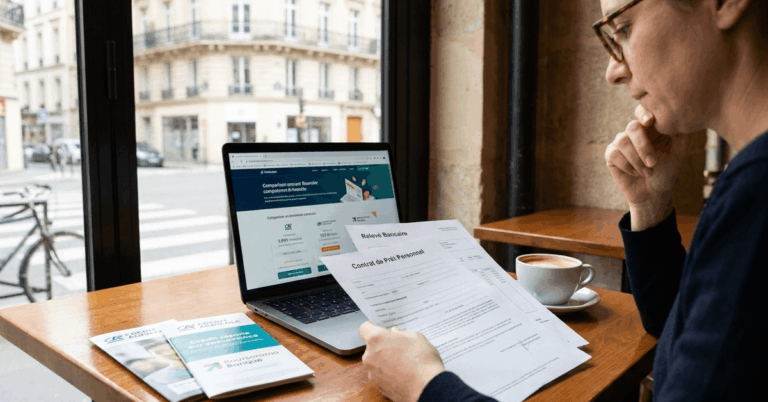
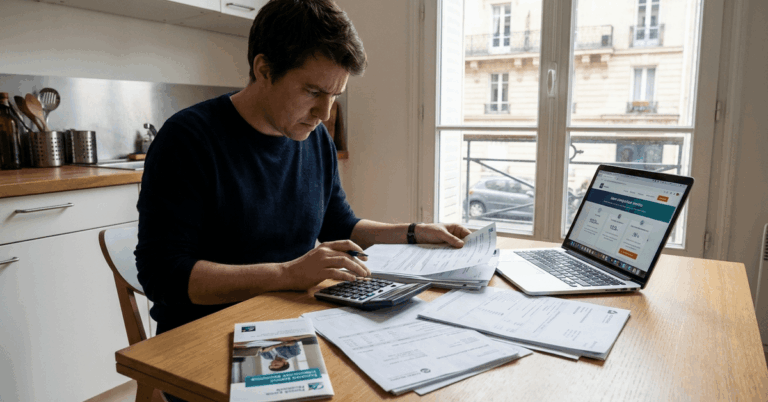
A freelance graphic designer in Bratislava just lost a client. Rent is due next week. The bank wants three months of payslips that don’t exist.
That panic is specific to gig workers, and it sends thousands of Slovak freelancers toward online lenders every month. Digital loans in Slovakia have become the default backup plan for anyone without a traditional paycheck.



But picking the wrong platform can cost more than the emergency itself. The differences between Slovak digital lenders are buried in fine print that almost nobody reads until repayment day.
This guide is for the freelancer, the contractor, the small shop owner who needs money fast but can’t afford a bad deal.
How Digital Loans in Slovakia Work for Non-Traditional Earners
The Application Process Is Simple. The Details Are Not.
Applying for a digital loan in Slovakia takes about 10 minutes on most platforms.
The steps look almost identical everywhere: register, upload your citizen ID, fill out income details, submit documents, wait for approval, sign electronically, and receive funds to your Slovak bank account.

That uniformity is deceiving. The real differences hide in what each lender counts as “income proof.”
Traditional banks like Tatra banka still want payslips. Their digital loan products run through the same approval engine as branch applications, just with a nicer interface. Gig workers and freelancers hit a wall here almost immediately.
What Counts as Income Proof for Freelancers
Lenders like Home Credit Slovakia and Cetelem Slovakia accept tax returns and bank statements as income verification. That opens the door for self-employed borrowers who file annually but don’t have monthly payslips.
mBank processes online consumer loans and may accept freelance income documentation, though requirements can shift.
Ferratum Bank focuses on short-term loans and tends to have less rigid income requirements, but charges higher rates for that flexibility.
The documents that matter for freelance borrowers include:
- Annual tax return filed with the Slovak Financial Administration
- Bank statements showing regular income deposits over 3-6 months
- Trade license (živnostenský list) proving active self-employment status
- Invoices or contracts showing ongoing client relationships
Missing even one of these can delay approval by days, which defeats the purpose of “fast” digital lending.
Comparing Slovak Digital Lenders: Rates, Speed, and Hidden Costs
APR Alone Does Not Tell the Full Story
I think the obsession with finding the lowest APR is the wrong approach for freelancers using platforms like Home Credit Slovakia or Cetelem Slovakia.
A slightly higher APR with zero early repayment penalties saves more money for someone who plans to pay off the loan as soon as the next big project payment lands.
Plenty of Slovak lenders advertise low rates but bury early repayment fees of 1% or more in the contract terms.
A freelancer who borrows €2,000 and pays it back in two months instead of twelve doesn’t benefit from a low annual rate if the penalty eats the savings.
| Feature | Home Credit Slovakia | Cetelem Slovakia | Ferratum Bank | mBank |
|---|---|---|---|---|
| Loan type | Personal loans | Personal and consumer | Short-term | Consumer loans |
| Freelancer-friendly | Yes, accepts tax returns | Yes, flexible documentation | Limited income checks | Varies by product |
| Typical funding speed | 1-2 business days | 1-3 business days | Same day possible | 1-2 business days |
| Early repayment penalty | Check current terms | May apply | Often applies | Check current terms |
The takeaway: funding speed and early repayment terms matter more than headline APR for anyone who borrows short-term.
“Same-Day Funding” Claims Need Context
Slovak interbank transfers through the SEPA system can take a full business day. So when a lender says “funds within hours,” that clock starts when they approve the loan, not when the money hits your account.
If approval happens at 3 PM on Friday, you might not see the cash until Monday afternoon.
Ferratum Bank and some smaller fintech lenders do process faster than traditional digital banking channels.
But “same day” is a marketing phrase, not a guarantee. Ask specifically about transfer timing to your bank before counting on emergency funds arriving by a specific hour.
Legal Protections and Risks for Slovak Borrowers
The National Bank of Slovakia Sets the Rules
Every digital lender operating in Slovakia must hold a license from the National Bank of Slovakia.
This licensing controls maximum interest rates, advertising standards, and data collection practices. If a platform isn’t listed in the NBS registry, don’t give them your ID number.
GDPR also applies to all Slovak digital lenders. Platforms must tell you exactly what data they collect, who sees it, and how long they store it. A lender that doesn’t have a clear privacy policy on their website is a red flag, full stop.
What Happens When Payments Are Missed
Digital loans create binding contracts under Slovak law. Missing payments triggers a specific chain of consequences that every borrower should understand before signing:
- Late fees start accruing immediately after the payment due date
- Credit score damage gets reported to the Slovak Credit Bureau (SBCB), affecting future borrowing
- Debt collection proceedings can begin after repeated missed payments
- Court enforcement is possible for larger unpaid balances
The SBCB record stays active for years. A single missed payment on a €500 emergency loan can block a mortgage application three years later. That trade-off rarely gets mentioned in the “borrow in minutes” marketing.
Tax Treatment of Loan Interest
Interest paid on personal digital loans is generally not tax-deductible for Slovak residents. Business loans are different: if the borrowed funds go toward documented business expenses, the interest may qualify as a deductible cost.
The Slovak Financial Administration publishes updated guidance on loan interest deductions. A certified tax advisor can clarify whether a specific loan structure qualifies. Getting this wrong means either overpaying taxes or triggering an audit.
Mistakes That Cost Slovak Freelancers Money
Borrowing the Maximum Amount Available
Lenders approve maximum amounts based on income documentation. That maximum is not a recommendation.
A freelancer approved for €5,000 who only needs €1,500 should borrow €1,500. The interest on the unused €3,500 is pure waste, and higher balances increase the financial stress during slow months.
Ignoring the Total Repayment Figure
The monthly payment looks manageable. But multiply it by the number of months and compare that total to the original loan amount. The difference is your real borrowing cost.
On a 12-month personal loan at typical Slovak digital lender rates, a €2,000 loan might cost €200-400 in total interest and fees. That number should be visible before signing.
Skipping the Contract Review
Electronic signatures make it easy to scroll past terms. Slovak consumer protection law requires lenders to present all fees, penalties, and conditions clearly. But “clearly” doesn’t mean “briefly.”
Read the full contract. Pay attention to three sections specifically: early repayment terms, late payment penalties, and automatic renewal clauses.
Questions People Ask About Digital Loans in Slovakia
Q: Can a foreigner living in Slovakia apply for a digital loan? Residency status matters more than citizenship. Permanent or temporary residence with a valid Slovak ID and local bank account opens most digital lending platforms. Some lenders require a minimum residency period of 6-12 months before approving applications.
Q: Are peer-to-peer lending platforms regulated in Slovakia? Peer-to-peer platforms like Zonky (now part of Air Bank’s ecosystem) operate under different regulatory frameworks than traditional lenders. The NBS oversees financial services broadly, but P2P-specific rules are still evolving. Check the platform’s licensing status directly on the NBS website before committing.
Q: What is the maximum interest rate allowed on digital loans in Slovakia? Slovak law caps consumer credit rates, and the NBS publishes current ceilings. These caps apply to all fees and interest combined, not just the headline rate. Any lender charging above the legal maximum is violating Slovak financial regulations, and borrowers can report them.
Q: How fast can a freelancer get approved for a digital loan in Slovakia? Approval times range from 15 minutes to 48 hours depending on the lender and documentation quality. Having your tax return, bank statements, and trade license ready before applying cuts the timeline significantly. Incomplete applications are the number one cause of delays.
Q: Do digital loans in Slovakia affect my credit score? Every application that reaches the formal approval stage gets recorded. Approved and repaid loans build positive credit history. Rejected applications and missed payments damage it. Even checking pre-qualification on some platforms can trigger a soft credit pull, so apply selectively rather than submitting to five lenders at once.
Conclusion
The Slovak digital lending market gives freelancers real options that traditional banks still refuse to offer. Picking the right lender means reading beyond the APR and into early repayment terms and penalties.
Every loan contract deserves the same attention a freelancer gives to a client contract worth the same amount. The smartest borrowers treat online loans as short-term tools, not long-term financial habits.