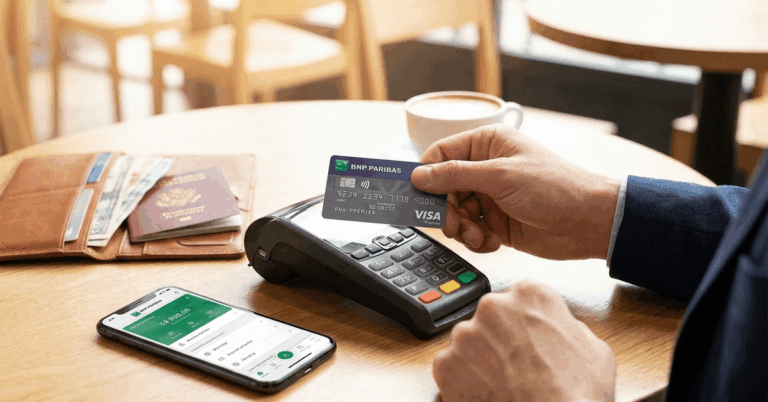
Travel credit cards can completely change the way you manage expenses during international or domestic trips.
In Bulgaria, travel cards are growing in choice and popularity, making it useful to understand how they work, what options exist, and which features could benefit different types of travelers.


This article explores the world of travel credit cards in Bulgaria, offering a comprehensive guide for frequent flyers, expats, or those simply planning that big annual holiday.
If you’re looking to optimize budgets, unlock new experiences, or just make your travel smoother, you might find insights here worth considering.
Why Choose a Travel Credit Card in Bulgaria?
Some may wonder whether a travel card is necessary if you already use a debit card or standard credit card. There are real advantages, though some come with a few considerations worth noting along the way.
Earn Points and Cashback on Travel Spend
Many travel credit cards provide reward points, air miles, or cashback for every lev spent abroad. A few top Bulgarian banks and international issuers now let users collect points from hotels, airlines, or partners globally.
Foreign Exchange Fee Savings
Some cards reduce or waive foreign transaction fees, saving a small percentage on every purchase. This benefit is especially noticeable for frequent travelers or cross-border online shoppers from Bulgaria.
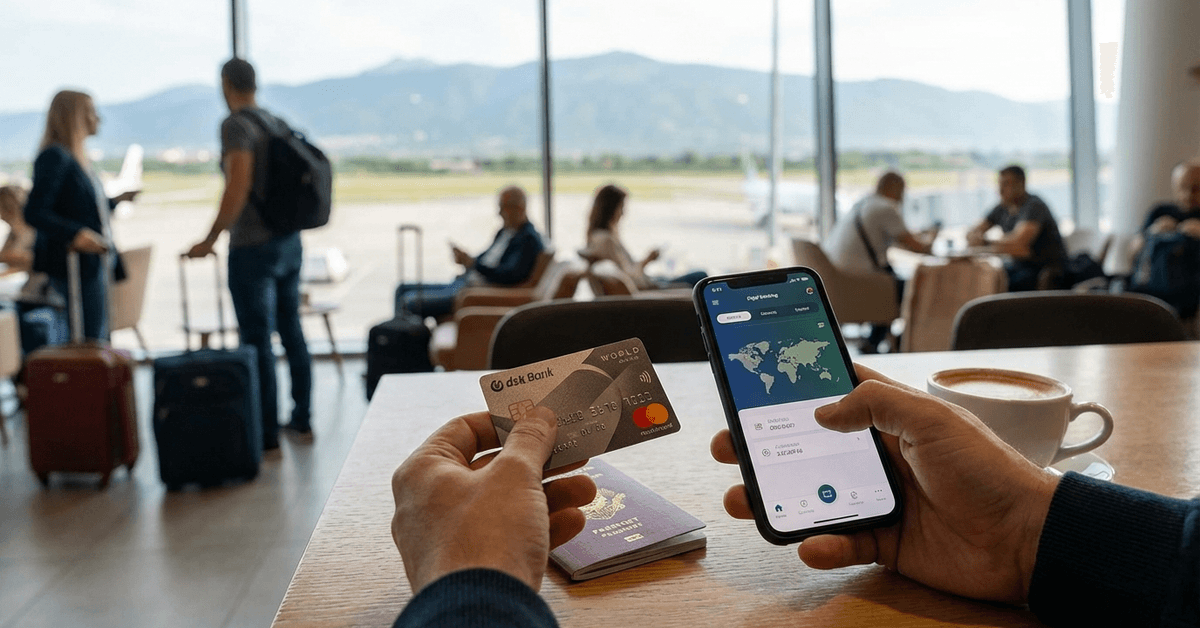
Extras: Airport Lounge, Insurance, and Upgrades
Certain premium cards extend complimentary travel insurance, priority check-in, or access to airport lounges. While not always essential, these perks can make trips feel more enjoyable or at least less stressful.
Major Types of Travel Credit Cards in Bulgaria
Bulgarian consumers can access a mix of local bank cards, EU-wide products, and internationally issued cards. The landscape changes frequently; here’s a basic overview of the types you might encounter.
Bulgarian Bank Issued Travel Cards
Several Bulgarian banks, including UniCredit Bulbank, DSK Bank, and Postbank, offer travel-oriented cards. Most tie rewards to specific airlines, partner merchants, or hotel chains.
International and Digital Bank Cards
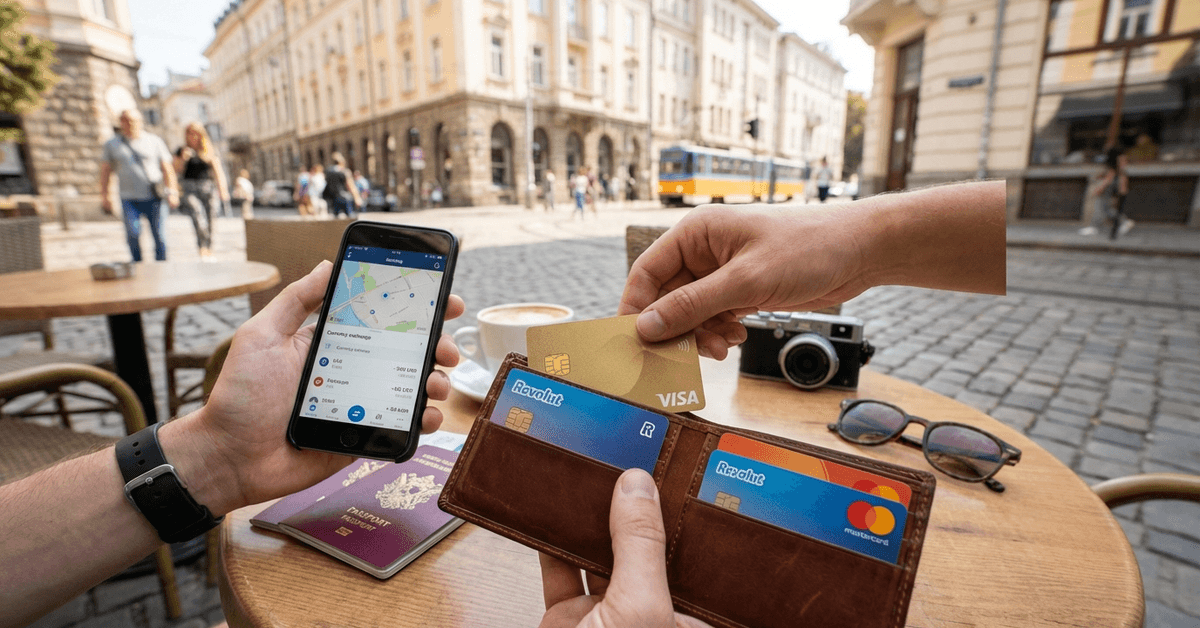
Revolut, N26, and Wise have grown popular for travel. These fintech cards, easy to manage from a mobile app, provide multi-currency support and generally low FX fees.
However, they might have stricter ATM withdrawal limits or require account verification.
Co-Branded Airline or Hotel Credit Cards
It’s less common in Bulgaria than in the US or UK, but some airlines do partner with local banks. For example, a credit card linked to Bulgaria Air or major hotel chains could offer air miles or free nights with regular use.
Top Features to Look for in Travel Credit Cards
Not all cards are made for the same travel goals. Travelers might want to prioritize based on their actual habits, not just glossy promotions. Here’s what typically matters most to users.
Low or No Foreign Transaction Fees
This feature is often advertised but sometimes applies only to certain currencies or regions. Reading the fine print matters. Occasional travelers may not mind a small fee, but frequent flyers could save more than expected.
Global Acceptance and Multi-Currency Capabilities
A card accepted by both Visa and Mastercard networks, plus the ability to pay or withdraw cash in multiple currencies, increases convenience when traveling outside Bulgaria.
Rewards Flexibility
Some cards allow conversion of rewards to air miles, others for hotel stays, or even plain cashback. If you value simplicity, a cashback program without restrictions might appeal more than points tied to a single carrier.
Travel Insurance Coverage
This could include trip cancellation protection, accident coverage, or lost baggage insurance. There’s sometimes confusion around what exactly is included, so a short call with a bank agent—or checking official T&Cs—can clarify the particulars.
Popular Travel Credit Cards in Bulgaria for 2024
Cards and their benefits often change, but some names currently stand out in Bulgaria due to reliability, overall perks, or customer satisfaction. This is not a recommendation—just a summary of what’s widely available now.
UniCredit Bulbank Visa Gold
This card targets frequent travelers. It offers travel insurance, 24/7 customer support, and reward points redeemable at numerous partners. There is an annual fee, though, and not everyone may need all listed benefits.
Postbank American Express (Eurobank Bulgaria)
American Express isn’t as widely accepted as Visa/Mastercard in parts of Bulgaria, but for international travel, it offers strong reward programs, particularly if you stay in the Amex hotel network. Somewhat higher annual fees may apply.
Revolut Premium
Revolut continues to appeal for hassle-free spending abroad, competitive FX rates, and budgeting tools. It’s managed almost entirely via a smartphone app, which—let’s admit—feels intuitive for many users now. ATM withdrawals are free up to a limit.
DSK Bank Mastercard World
This card comes with travel assistance, insurance, and a loyalty program. While its international acceptance is a plus, reward rates might not compete with fintech offerings, depending on your spending patterns.
How to Apply for a Travel Credit Card in Bulgaria
Most banks and fintech providers make the application process fairly straightforward. Generally, these are the typical steps—and some caveats that catch first-time applicants by surprise.
- Check eligibility: Proof of residency, minimum income, or bank relationship may be required.
- Compare cards: Weigh annual fees, rewards programs, and travel-focused perks based on your needs.
- Begin online or in-branch application: Digital banking growth means most applications can be initiated online, but some still require an office visit for document verification.
- Submit required documents: National ID or passport, bank account confirmation, and sometimes proof of income or address.
- Review approval and delivery: Some cards arrive within days, others may take up to two weeks.
What to Watch Out for: Legal, Tax, and Security Considerations
While travel credit cards are generally safe, some practicalities deserve attention, especially for first-time users or expats unfamiliar with Bulgarian regulations.
Tax Reporting on Cashback and Rewards
In Bulgaria, major cashback rewards or sign-up bonuses are usually not taxable for consumers. Still, it’s wise to check the current tax code if earning significant cashbacks from non-Bulgarian issuers, as policies could shift.
Safe Browsing and Fraud Protection
Always use a card provider with modern fraud detection systems. The Bulgarian banking system now enforces strong customer authentication (SCA), but it’s good to remain vigilant for phishing and never share PIN details.
Data Privacy: GDPR and International Usage
For cards managed by non-Bulgarian (EU) providers, GDPR protects consumer rights. However, using cards with global apps (like Revolut or N26) may involve data transfers beyond Bulgaria, so it could be worth reading their privacy policies in detail.
Tips to Maximize the Benefits of Your Travel Card
It’s not just about picking the right card—effective habits can make everyday use safer and more rewarding.
- Set notifications for every transaction to detect fraud early.
- Link to mobile wallets (like Apple Pay or Google Pay) for extra security.
- Pay balances in full monthly to avoid interest—most travel cards have high APRs.
- Monitor reward expirations; some points or miles do expire after a period.
- Regularly update travel preferences within your card portal to prevent overseas declines.
Frequently Asked Questions about Travel Credit Cards in Bulgaria
Some of the same questions come up for many travelers. While answers may change with time, these are some common areas of confusion or curiosity.
Can I get a travel credit card as a foreigner living in Bulgaria?
It depends. EU citizens usually face fewer restrictions, but residency proof (sometimes local bank history) is typically required. Non-EU residents could face more checks.
Do Bulgarian travel cards work well outside Europe?
Most major issuers support global usage, but check for higher fees or reduced acceptance outside the EU, especially for American Express. Reading cardholder agreements carefully helps.
Are digital-only cards (like Revolut) as safe as traditional bank cards?
Generally, yes, as long as they’re EU-regulated. App-based controls have added layers of security, though each provider has strengths and weaknesses in customer service during emergencies.
Is it possible to convert rewards to cashback with all cards?
No, not all reward schemes allow for direct cashback. Some prefer to give airline miles, specific vouchers, or discounts with partners. Check individual card policies to avoid disappointment.