Managing finance as a student can be, frankly, baffling at first. Many young people, especially international students, wonder if a student credit card in the Czech Republic fits their needs.
This article explores the advantages and potential pitfalls, with practical tips for navigating Czech banks and finance.



It’s written for students at Czech universities (as well as high school graduates considering their options), international students who may be seeking financial tools abroad, and parents curious about safe credit options for their children.
The key benefit here is clarity: understanding not just how these cards work, but whether they’re truly useful. Anyone exploring student finance in the Czech Republic might find this guide useful.
What Is a Student Credit Card?
Czech banks offer student credit cards primarily to young adults enrolled in college or university.
These cards resemble traditional credit cards but often come with lower credit limits and fewer fees. Qualifications may include proof of student status and (sometimes) a basic monthly income.
Why Students Might Consider Credit Cards in the Czech Republic
Financial Flexibility
Having a student credit card can provide a small degree of financial breathing room when expenses arise unexpectedly. It’s not a license to overspend, but a tool for emergencies or urgent purchases.

Building Credit History
A positive credit history opens doors for bigger financial steps after graduation—maybe an apartment lease or even a car loan. Responsible card use from student age could, perhaps, set the foundation.
Online Payments and Security
Some students struggle to pay for subscriptions or book tickets online without a credit card. A student credit card might offer safer, traceable transactions and sometimes extra fraud protection.
Local and International Acceptance
Major banks in the Czech Republic typically issue cards with worldwide acceptance (like Visa or Mastercard logos). This can be helpful for semester-abroad programs or travel.
How to Qualify for a Student Credit Card in the Czech Republic
The eligibility criteria do, of course, vary between banks. Certain requirements appear common across most Czech banks and financial institutions.
- Proof of student status (enrollment confirmation or ISIC card)
- Minimum age—typically 18 years, but some banks may consider younger applicants with parent co-signers
- Permanent or long-term residence permit if you’re from outside the EU
- Proof of income, allowance, or parental support (sometimes requested)
- Valid identification and local address
International students may need to provide extra documentation, such as passport, Czech visa, or evidence of funds. Requirements change over time, so checking directly with the chosen bank is always helpful.
Major Banks Offering Student Credit Cards in the Czech Republic
Several Czech banks offer student credit cards, but products and terms change frequently. The most common institutions include:
- Komerční banka (KB)
- Česká spořitelna
- ČSOB
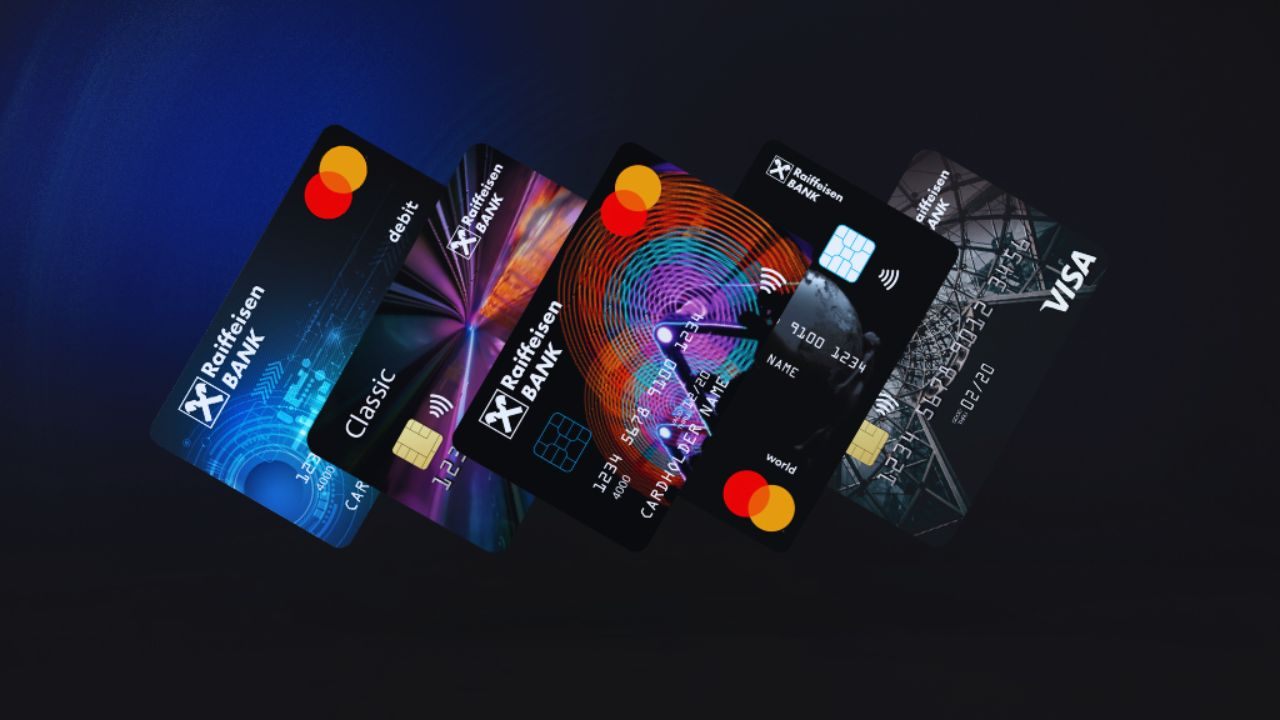
- Raiffeisenbank
- MONETA Money Bank
Each bank provides their own features—reward programs are rare for student cards, but low or zero fees are typical.
It’s worth comparing conditions, annual fees, and possible benefits before applying. Most banks highlight student card options under their youth banking packages.
Comparing Student Credit Cards: Main Features
Typical Credit Limits
Credit limits for students in the Czech Republic tend to be cautious—usually ranging from CZK 5,000 to CZK 20,000. This helps reduce over-indebtedness risk.
Interest Rates and Fees
Student cards might appear free, but unpaid balances accrue interest. Interest rates vary (often between 18% and 23% APR).
Some banks may offer a few months with zero interest for new customers. Annual or monthly card fees for student products are often waived, but some institutions charge small handling fees for certain operations.
Repayment Grace Periods
Most Czech student cards include a grace period of 30–50 days. During this time, there’s no interest on purchases repaid in full. Missing these deadlines, however, results in standard interest charges from the transaction date.
Online Security and Contactless Payments
Virtually all credit cards issued in the Czech Republic now support contactless payments (NFC), secure 3D authentication for online transactions, and immediate SMS or notification alerts. Occasionally, some banks bundle insurance (for theft or online fraud) with the credit product.
Potential Risks and Drawbacks of Student Credit Cards
While having a credit card sounds empowering, there are, naturally, risks tied to improper use or misunderstanding of the conditions.
- High interest rates applied to unpaid balances
- Late fee charges for missed payments
- The temptation to spend beyond one’s means
- Negative impact on your credit score, if payments are missed
- Foreign transaction fees for purchases outside the Czech Republic
It’s wise to approach credit cards as tools, not solutions. Students who rely on credit for everyday expenses can quickly fall into debt. Perhaps budgeting and careful use is more important than the card itself.
Tips for Smart and Safe Use of Czech Student Credit Cards
- Keep spending under 30% of your total credit limit
- Repay your full statement balance within the grace period, if possible
- Avoid cash withdrawals—they usually come with immediate and high charges
- Use the card primarily for tracked purchases or emergencies
- Review and compare student card offers annually, as banks update products often
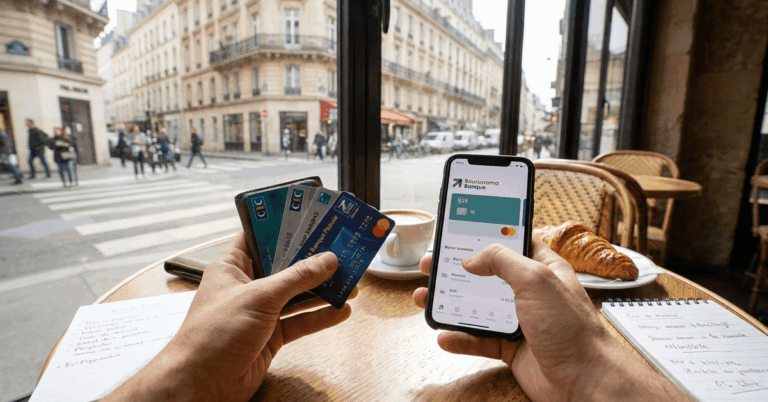
Some students rely on mobile banking apps for real-time balance checks and payment reminders. It’s easy to forget due dates during exams or busy study periods—a quick glance at a phone can save future headaches.
Legal and Tax Considerations for Students with Credit Cards
Most student credit cards in the Czech Republic do not represent taxable income on their own. However, if a student earns rewards or cashback above certain thresholds, unique tax situations may arise. This is rare, but not unheard of.
International students may also find that holding a credit card in the Czech Republic impacts requirements related to their visa or work status.
Consultation with the student office or international adviser can clarify any restrictions or documentation required.
Alternatives to Student Credit Cards in the Czech Republic
Some students decide a credit card isn’t the right fit. Alternative financial products for students include:
- Prepaid cards (reloadable, no risk of going into debt)
- Standard debit cards (linked to a Czech current account)
- Mobile wallets (Apple Pay, Google Pay linked to a bank card)
- Student loans or overdraft facilities (for larger planned expenses)
Often, a prepaid card offers almost all the functionality of a credit card, but without the possibility of running up debt. Perhaps, for some, that’s the safer route.
Frequently Asked Questions About Student Credit Cards in the Czech Republic
Are student cards available to foreigners?
Yes, but with some extra paperwork. Most major Czech banks provide services for non-residents and international students. Expect to supply student proof, a residence permit, and ID.
What happens if payments are missed?
Late payments often attract penalty fees and can damage credit scores. Banks might also reduce or suspend credit lines.
Can a student increase their card limit?
Some banks consider limit increases after several months’ responsible use. Documentation of income or sponsorship may be asked for. It’s rarely automatic.
Are rewards and cashback offered with student credit cards?
Very few Czech banks provide cash-back or rewards on student cards. These extra perks tend to be reserved for regular credit or premium cards.
Will applying for or holding a card affect future loans?
Responsible use usually helps, as banks look favorably on a record with no missed payments. Multiple applications in a short period, however, might count against a future mortgage or auto loan request.
Conclusion
Student credit cards in the Czech Republic offer financial flexibility, build credit history, and teach money management, but require responsible use to avoid debt and ensure long-term financial stability and smart habits.
Note: There are risks involved when applying for and using credit. Consult the bank’s terms and conditions page for more information.