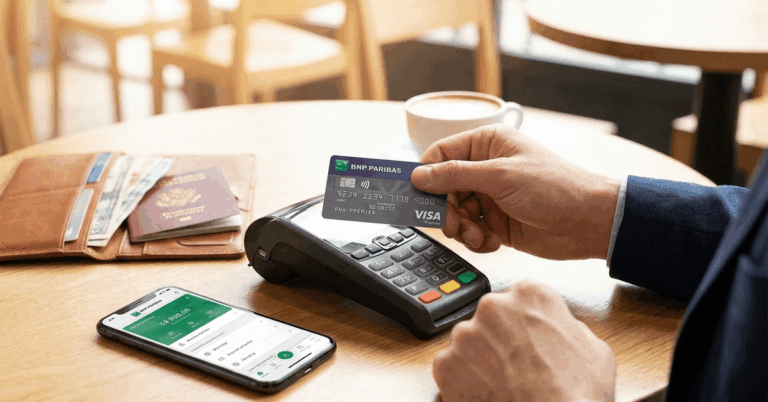
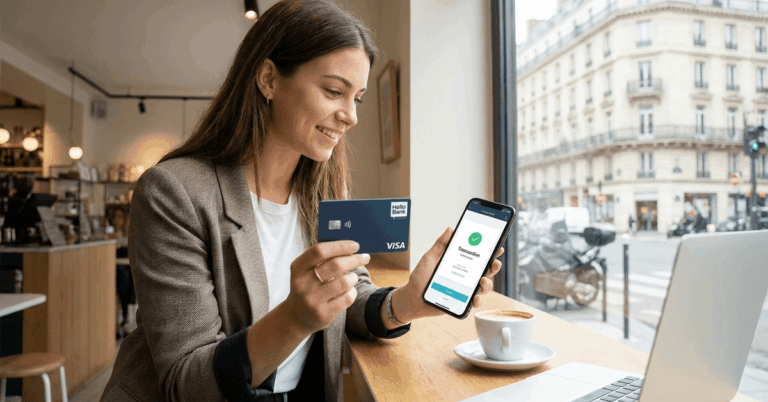
Student credit cards in Bulgaria have attracted growing interest in recent years. For students, these cards may open doors to manageable spending, essential credit-building, and smoother online purchases.
Some wonder whether student cards actually fit all university students, or if there’s a catch.



This article explores student credit cards in Bulgaria, navigating between common questions, practical benefits, and real-world considerations that matter for both young Bulgarians and international students.
If starting financial independence is on your mind, or assisting someone who is, this guide might clarify the essentials.
What Are Student Credit Cards in Bulgaria?
A student credit card in Bulgaria is typically designed for people enrolled in higher education, such as a university or a college.
These products provide a credit limit—generally lower than standard cards—and often feature simplified application requirements. For many, this represents their first step into responsible credit use.
Though eligibility guidelines may change from bank to bank, most institutions expect students to provide university enrolment proof and identification documents.
Some banks might require a co-signer or a parent’s support, especially if the applicant lacks regular income. It can feel slightly intimidating at first, but the process is mostly straightforward.

Main Features of Bulgarian Student Credit Cards
Student cards usually have several defining features, which aim to make them accessible and practical for young people. Some standouts worth mentioning:
- Lower credit limits: Normally between 300 BGN and 1,500 BGN, meant to control spending risk.
- Lower annual or monthly fees: Many student cards try to maintain low costs to keep barriers minimal.
- Flexibility for online payments: Acceptability for e-commerce and digital purchases is now standard.
- Grace periods: Usually a period (20-50 days) where no interest is charged if the balance is paid in full.
- Minimum income requirements: Some banks waive this entirely for students or request only minimal proof of income.
Conditions and perks may evolve year to year, so it’s good to double-check with the issuing bank before any application.

Eligibility Requirements for Student Credit Cards
Generally, the application process is simplified for students, but certain eligibility boxes must be ticked. Typical requirements include:
- Proof of university or college enrollment in Bulgaria
- Bulgarian ID (for citizens) or a valid residency permit (for internationals)
- Minimum age, usually 18+
- Sometimes a co-signer (parent or guardian) for under-21s or students lacking a steady income
- Basic proof of address
While rules seem clear-cut, there’s always the possibility that a bank might assess applications case by case, especially for foreign students outside the EU.
Not every student will qualify on the first try; patience and the right documentation can help smooth the way.
Why Consider a Student Credit Card in Bulgaria?
Some may ask: why not just use a debit card or rely on cash? There are valid reasons why a student credit card could be useful during academic years:
Building Credit History Early
Responsible use means a chance to start building a positive credit score. In Bulgaria, a good credit score could help later when applying for a mobile contract, rental agreement, or even a car loan.
While the Bulgarian credit system is less established than some Western countries, financial responsibility still matters.
Managing Unexpected Expenses
For those times when student grants or family support fall short—especially with urgent expenses—a credit card can provide relief. Of course, over-reliance may be risky, but judicious use helps bridge smaller gaps now and then.
More Freedom When Shopping Online
There’s a growing need for online services—whether it’s textbooks, travel, or streaming subscriptions. Some merchants still don’t accept debit for larger purchases, making a credit card convenient for students in Bulgaria.
Access to Discounts or Perks
Occasionally, certain banks may run discounts for students. Perks can include better rates on entertainment, public transport, or cafes favored by younger clients. Offers are not always guaranteed, but it’s worth asking during the application process.
Potential Pitfalls to Watch For
While the benefits are clear, there are also real risks if credit use isn’t managed thoughtfully. Even students with good intentions can sometimes make mistakes. Some things to stay mindful of:
- High interest rates: Student credit cards’ APRs might look tempting at first, but late payments can stack up quickly.
- Penalty fees: Missed due dates could trigger late payment fees, or—in rare cases—deactivate the card until settled.
- Debt cycles: Some students get caught up in carrying balances month after month. It’s easy to overestimate one’s ability to repay, especially with limited income.
- Fraud risks: Credit cards, if lost or compromised, may present fraud potential. Setting strong passwords and activating alerts could help.
The idea is, of course, not to discourage student card use altogether—just to foster healthy habits. Mistakes happen. It might be better to pay attention early, rather than learning the hard way, as many have done before.
Major Bulgarian Banks Offering Student Credit Cards
A number of Bulgarian banks market student credit products each year, with some making it easier to apply online or directly through campus branches. The specific features can vary, but the intention is largely the same.
- Raiffeisenbank Bulgaria
- DSK Bank
- UniCredit Bulbank
- Postbank
- United Bulgarian Bank (UBB)
Not all student cards have English-language application forms, so international students may benefit from visiting a branch or asking for English-speaking staff. Each bank updates its offerings regularly.
Reviewing current terms online or in a branch helps pinpoint which card is the best fit.
Main Application Steps for Student Credit Cards in Bulgaria
Step 1: Gather Required Documents
Prepare proof of enrollment, identification, and a permanent address. International students may also need a valid residency permit.
Step 2: Compare Offers
Evaluating limits, fees, interest rates, and perks is wise. Comparing a few major providers could save future headaches.
Step 3: Submit Application (Online or In Branch)
Many banks now permit digital applications, though an in-person visit may speed up the process or clarify requirements—especially for complex cases.
Step 4: Activate and Monitor
Once approved, activating the card through mobile banking or over the phone is required. Reviewing monthly statements may help catch issues early.
Tips for Using Student Credit Cards Responsibly
Developing good habits early with credit limits could pay future dividends. Some suggestions for Bulgarian students:
- Never use more than half the available credit limit, if possible
- Pay the balance in full each month to avoid interest
- Track spending in a notebook or budgeting app
- Contact the bank immediately if the card is lost or misplaced
- Set up text or email alerts for transaction notifications
- Read all terms before agreeing to any new conditions
No tip is one-size-fits-all, and not everyone will adopt every practice immediately. But, over time, many find themselves thankful for a little caution up front.
Legal and Tax Considerations for Student Cards in Bulgaria
Most student cards are for personal, non-commercial use. Bulgarian law expects responsible financial conduct, though there’s generally no special tax for owning a credit card.
Still, any late payments or major debts may impact a person’s credit record, which influences future loans and some rental contracts.
For international students, confirming legal residency status before applying is crucial. Banks must follow anti-money laundering regulations and will reject applications lacking proper identification or address verification.
If a parent or guardian acts as co-signer, Bulgarian rules may hold them liable for debts the student cannot repay. It’s wise to discuss this openly before applying, to prevent misunderstandings later.
Common Questions About Student Credit Cards in Bulgaria
Can non-Bulgarian students apply for Bulgarian student credit cards?
Yes, in many cases; however, rules differ by institution. Non-EU students sometimes face stricter residency or document requirements. If in doubt, checking with the bank’s customer service in advance helps clarify uncertainty.
Are there options for students with no income?
Some banks may approve student cards for applicants with no formal income, but a co-signer or parental support is usually required. Otherwise, a basic prepaid card might be easier to get initially.
How can misuse of a student card affect future finances?
Missed payments or defaulting on a balance may limit future access to loans or large purchases. Early financial missteps—not uncommon among students—can stay on a credit record for several years.
What happens if I lose my card?
Contacting the issuing bank immediately is best practice. Most modern banks offer quick, free card freezing and reissues. Monitoring account activity until the issue is resolved remains important.
Choosing the Right Student Credit Card: What to Weigh
The “best” card depends on needs and priorities—perhaps low fees, strong mobile app functions, or wider merchant acceptance.
Requesting advice from more experienced students or consulting school financial advisors often helps. Personal needs sometimes override the hype of flashy offers or high credit limits.
Many students in Bulgaria report that getting a card changed how they view day-to-day finances—sometimes for the better, sometimes with new anxiety. Being realistic about spending habits might prevent problems down the road.