Accessing digital banking options in Bulgaria is steadily becoming more popular, and Revolut credit cards are at the heart of this trend.
This guide is designed for Bulgarians, expats, and anyone interested in international finance.


If staying in control of personal spending or reducing travel fees sounds useful, learning about Revolut’s credit card could be beneficial. It’s fair to say, however, that only the right card and approach will truly simplify your life.
What Is the Revolut Credit Card in Bulgaria?
Revolut is a global fintech platform providing digital banking solutions. While not a traditional Bulgarian bank, it offers both debit and, in select markets, credit cards.
Revolut cards work seamlessly in Bulgaria, blending modern features with widespread acceptance.
For those juggling multiple currencies or frequent travel, Revolut’s cards have become something of a staple—yet some limits and eligibility conditions apply.
Key Features of the Revolut Credit Card
Choosing a card can be overwhelming, especially with so many flashy offers. Revolut brings forward some practical, and perhaps unexpectedly versatile, features that fit both simple and more complex needs.
Multi-Currency Support
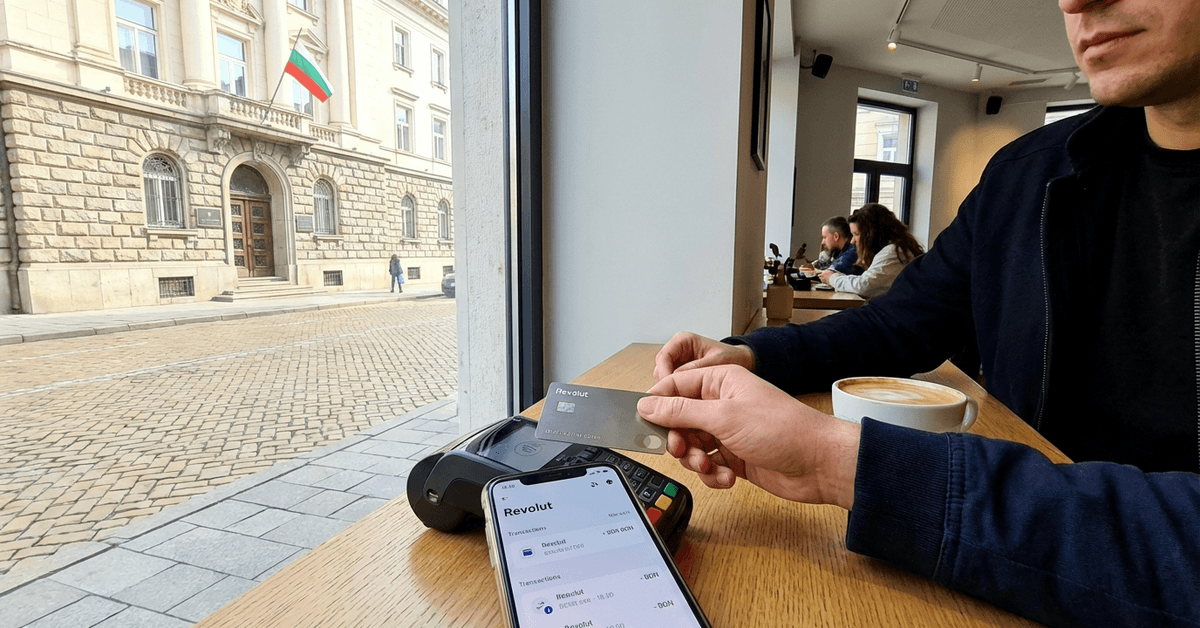
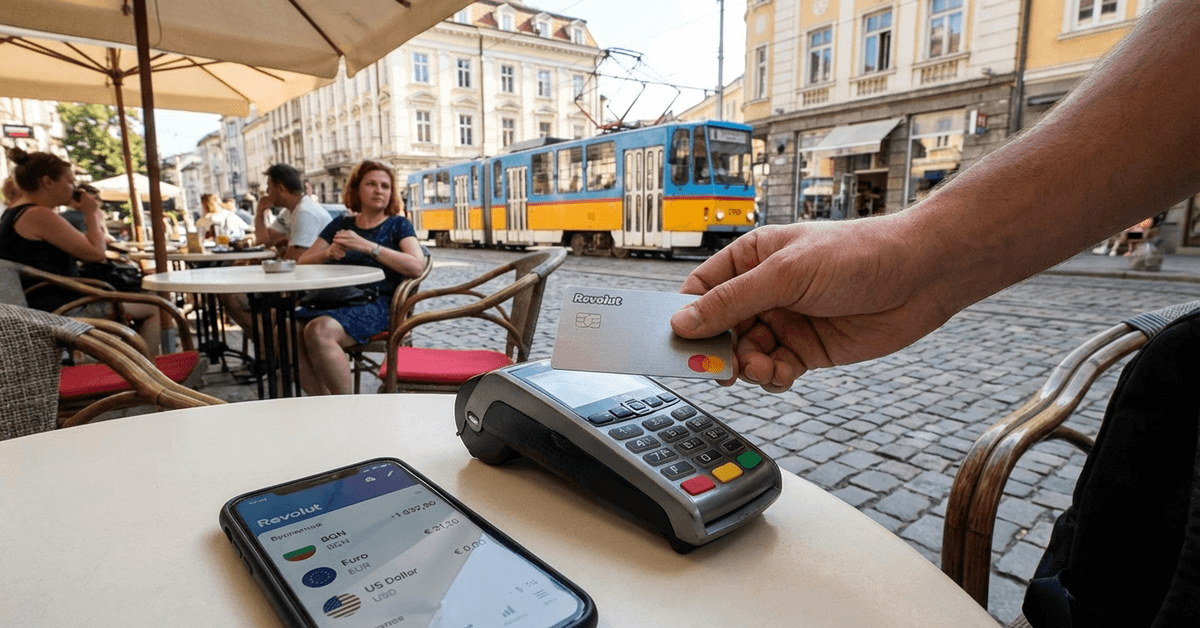
Perhaps the standout feature is multi-currency capability. Users can hold and spend in Bulgarian lev, euro, British pound, US dollar, and several other currencies—making it handy for cross-border payments or shopping.
The currency exchange is close to interbank rates, which tends to appeal to people who travel or shop abroad frequently.
Contactless and Virtual Cards
Revolut’s cards, whether physical or virtual, support contactless payments and online transactions. Some prefer virtual cards for added safety when buying online, and that’s an extra layer of protection to consider.
Integrated Security Features
Advanced security is central to Revolut’s design. Users can freeze or unfreeze their card, set payment limits, and control how and where the card is used.
These granular controls give added peace of mind but, sometimes perhaps, might feel a bit too granular for people who want simplicity above all else.
Instant Notifications & Analytics
Spending tends to get away from us. Revolut instantly notifies users about each payment and provides easy-to-read analytics. Monitoring and categorizing spending becomes less of a chore with this kind of tool.
How to Qualify for a Revolut Credit Card in Bulgaria
Not everyone may be eligible for a credit card, depending on broader policies and credit requirements. In Bulgaria, the credit card may not be available in the classic sense, but Revolut’s debit cards can be issued to residents without much hassle.
Eligibility and Application Process
The typical process involves:
- Download and register via the Revolut app (works in English and Bulgarian).
- Verify your identity with a photo ID and, sometimes, a selfie for extra validation.
- Choose desired card type (physical, virtual, or premium with added benefits).
- If eligible, apply for a credit card; otherwise, debit cards offer similar features for day-to-day needs.
For Bulgarian residents, the process rarely takes more than a few days, but delays may happen if additional verification is needed.
Costs and Limits: What to Expect
Understanding potential fees and daily limits can help avoid surprises. Revolut prides itself on transparency, but some details merit extra attention before you take the plunge.
Annual and Monthly Fees
Credit and debit cards may be free under the standard plan, with premium options carrying monthly fees. These fees unlock higher ATM withdrawal limits, travel insurance, and extra perks. Decide what suits your lifestyle before picking a plan.
Currency Conversion & ATM Withdrawals
Revolut generally offers near-market exchange rates, but beware of weekend markups and free ATM withdrawal ceilings; exceeding them results in small fees.
Occasionally, users have overlooked these and found themselves paying more during high-demand periods like holidays.
Spending & Withdrawal Limits
Depending on the plan level, daily limits can vary. Standard accounts may have lower free monthly withdrawal limits and spending caps, but for most average users, these should suffice. Heavy travelers or business users might want to consider an upgrade.
Daily Life: Using Your Revolut Card in Bulgaria
Day-to-day in Bulgaria, a Revolut card fits comfortably into most people’s routines. Cards are accepted at practically all physical stores, restaurants, and e-commerce sites displaying the Mastercard or Visa logo.
Bank Transfers and Bill Payments
It’s possible to send or receive bank transfers (SEPA and local payments) and to pay bills or top up via various channels. For routine transactions, the process is pretty effortless.
Occasionally, a merchant might not recognize Revolut as a “traditional” bank, which could lead to rare hiccups.
Travel and Cross-Border Usage
For those traveling from Bulgaria or making international payments, cards automatically select the right currency balance, if available. Otherwise, conversion is done in real time.
That convenience often appeals to people tired of carrying cash or juggling exchange booths.
Is a Revolut Credit Card Right for You?
That’s the big question. While there are many practical benefits, not everyone is convinced about digital banks.
Some say traditional banks feel more reliable. Others have found Revolut’s cost structure unpredictable during high-traffic events.
But for a tech-savvy, mobile lifestyle, the pros can easily outweigh the cons—so long as you remain aware of the limits.
Safety and Regulation: What to Know
Revolut is authorized as an Electronic Money Institution in the EEA and regulated in Lithuania. For Bulgarian users, funds are protected under Lithuanian financial law, not Bulgaria’s deposit insurance system.
It’s a technical point but worth noting, especially if large balances are kept in the account. Transaction security is advanced, with biometric logins, transaction-based notifications, and customizable settings for added reassurance.
Support and Language Availability
A frequent concern for new users is customer support and app language. Revolut operates a support chat function in English; sometimes the content appears in Bulgarian too, but primary support remains in English.
For those less confident with English, using partner banks or traditional local cards might feel safer.
Comparing Revolut With Other Options in Bulgaria
Bulgarians have choices—most major banks provide credit cards, and there are other digital platforms, too.
Revolut stands out through its real-time management, low conversion rates, and flexible card options.
Nonetheless, classic banks maintain physical branches and dedicated local support, which is sometimes necessary for more complex issues.
Pros and Cons at a Glance
| Feature | Revolut Card | Traditional Credit Card |
|---|---|---|
| Multi-currency | Yes | Rarely |
| Instant notifications | Yes | Varies |
| Physical branches | No | Yes |
| Automatic budgeting | Yes | Sometimes |
| Local support in BG | Not always | Yes |
Legal and Tax Considerations in Bulgaria
Taxation can be a tricky subject. For most personal users, standard banking rules apply—transactions are not taxed, but any profits or business transactions might need to be reported.
Revolut accounts are not anonymous. Users should, I think, research current rules or check with a tax advisor. Regulatory standards continue to evolve in Bulgaria and across Europe.
Failure to declare certain financial holdings may sometimes have legal consequences; it’s best to stay informed.
Reporting Foreign Accounts
For large accounts or business use, Bulgarian residents may need to report foreign-held funds to local authorities. The specifics are nuanced and it’s easy to misunderstand the requirements, especially with digital banks’ flexible nature.
Expanding Your Financial Toolkit
Revolut might not be perfect for everyone, but it does offer features worth considering for modern finance management.
It adds flexibility, supports multi-currency usage, and improves spending oversight. Combining Revolut with a traditional Bulgarian account could yield the best of both worlds—practical for payments, secure for big balances, and adaptable for travel.