When it comes to managing daily expenses or planning a big purchase, finding the right credit card in Bulgaria can make a real difference.
This guide explores how Raiffeisenbank Bulgaria’s credit card options work, who they suit best, and what key features set them apart in a rapidly evolving market.



For those living in Bulgaria — or even newcomers — access to reliable financial products can be a genuine game changer. Here, you’ll find practical details, suggestions, and everyday tips without hype or unnecessary jargon.
Overview: Raiffeisenbank Bulgaria Credit Cards Explained
The Bulgarian credit card market offers increasing flexibility and choice. Raiffeisenbank Bulgaria, part of the international Raiffeisen Bank International AG Group, provides several credit card types tailored to different financial needs.
These products combine local insight with European banking standards, making them popular with both Bulgarian citizens and expats.
Perhaps you’re looking for extra purchasing power or the security of safer, cashless payments.
With Raiffeisenbank’s range, it’s possible to find cards suited for everyday use, travel, or online shopping. There’s an emphasis on ease of control, mobile management, and transparent terms, which in turn appeals to many consumers who prioritize practicality over perks like points or premium gifts.
But it’s not all straightforward, of course—terms can differ, so understanding the details is worthwhile.

Why Consider a Raiffeisenbank Bulgaria Credit Card?
Certainly, not every credit card is created equal. The following aspects make Raiffeisenbank an option worth weighing up for individuals and families in Bulgaria seeking financial flexibility:
1. Flexible Features and Limits
Raiffeisenbank offers credit cards with varied credit limits , often tailored to the user’s income and financial profile.
There’s a reasonable degree of customization, which means most people will find a card that fits their needs—whether that’s a conservative monthly budget or something more ambitious.
2. International Acceptance
Most Raiffeisenbank credit cards use widely accepted networks like Mastercard and Visa.
This lets customers pay securely both in Bulgaria and abroad, making these cards suitable for travel, online purchases, and everyday shopping. Universal acceptance can be especially reassuring during trips or cross-border transactions.
3. Modern Digital Banking Tools
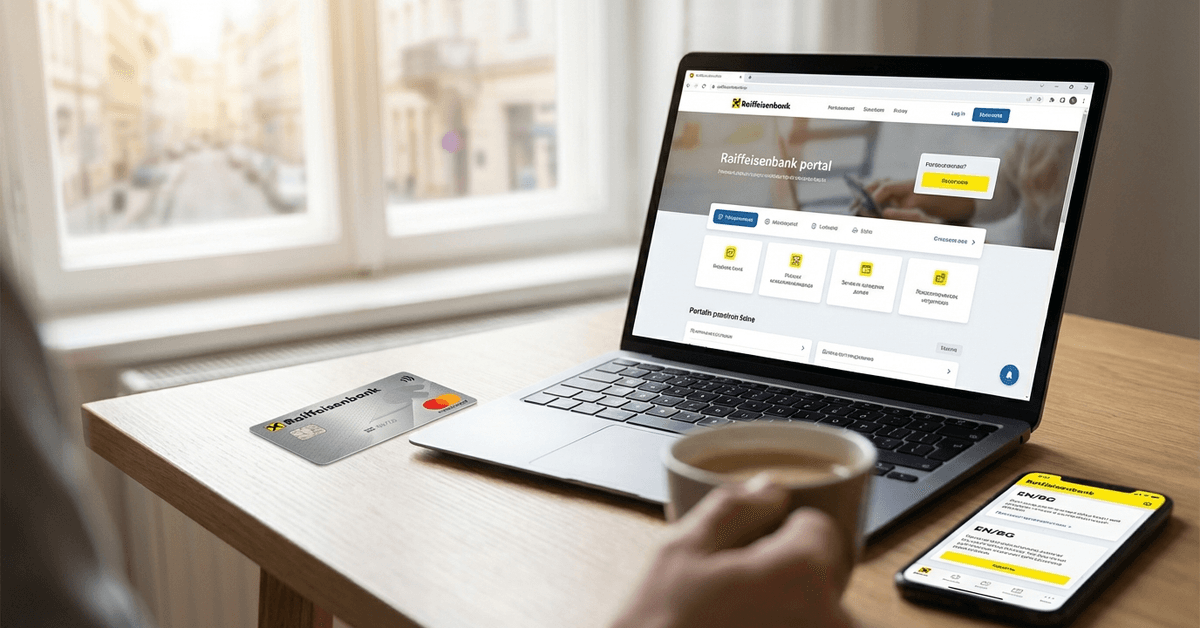
The bank provides robust mobile banking features, with apps and online access for monitoring transactions, setting controls, and managing statements.
This level of transparency can be particularly appealing to users who check balances often or want fast, mobile-first management.
4. Local and European Standards
As part of a leading European group, Raiffeisenbank ensures its card products comply with regional regulatory standards, including security, data protection, and transparency.
This reassurance is a strong factor for anyone comparing different local banks or international branches. Although regulatory alignment doesn’t always guarantee the perfect experience, it helps users feel safe.
Types of Raiffeisenbank Bulgaria Credit Cards
Raiffeisenbank Bulgaria typically offers a choice of several cards, each with unique strengths. Depending on your financial goals and purchasing habits, one might stand out. The main options often include:
Standard Credit Card
This is the basic, all-purpose card suitable for everyday transactions. Usually, it’s designed with competitively low annual fees and standard functionalities like contactless payments and secure chip technology.
Gold Credit Card
The Gold card brings added benefits, such as higher limits and priority customer service. While not considered “luxury,” it may suit users who travel frequently or want a little extra flexibility in transactions and withdrawals.
Co-branded or Partner Cards
Sometimes, Raiffeisenbank introduces cards in partnership with retailers or service providers . These cards might offer perks tied to specific brands, from discounts to reward points. Availability may vary, so checking the bank’s product page occasionally reveals new options.
How to Apply for a Raiffeisenbank Credit Card in Bulgaria
The process for securing a Raiffeisenbank credit card is relatively straightforward. Applicants usually need to meet certain criteria regarding age, income, and residency status. Documentation helps prove income and banking history. Here’s a quick breakdown:
- Proof of Bulgarian residency, or valid EU/EEA documentation
- Regular income from employment or self-employment (bank statements, employment contracts, or tax returns)
- Valid identification (Bulgarian ID card or foreign passport)
- Sometimes, a minimum income threshold (amounts can change year to year)
While digital applications are increasingly common, it’s still possible to apply in-person at a branch. Approval times vary—some applicants might get instant decisions, while others could wait a bit longer, especially if extra documentation is needed.
There’s no one-size-fits-all answer, as applicants’ financial histories and profiles make every experience a little different.
Fees, Charges, and Interest: What to Expect
Digging into the details makes sense when evaluating any credit card. With Raiffeisenbank Bulgaria, the fee structure is usually transparent, with annual maintenance fees, foreign transaction charges, and late payment penalties clearly stated.
Interest rates can change, so always refer to the current terms published by the bank itself.
- Annual maintenance fee: Fixed, varies by card type
- Cash withdrawal fee: Charged for ATM advances (domestic and international may differ)
- Interest rate: Applied to outstanding balances not paid by the monthly due date
- Grace period: Typically up to 45-55 days interest-free, for purchases only
The grace period is especially notable—it allows for interest-free use if balances are settled promptly. However, missing payment deadlines can result in higher charges, so careful budgeting goes a long way.
Benefits and Considerations Unique to Raiffeisenbank Bulgaria
There are some features and small details that distinguish Raiffeisenbank Bulgaria from other issuers.
Some users appreciate the dual-language support (EN/BG), which simplifies banking for expats or dual-language households. This isn’t always a major selling point, but it can provide an added layer of comfort.
Other advantages include easy integration with e-wallets, customizable transaction limits, and options for supplementary cards.
Of course, not every feature is essential, so it’s wise to reflect on what matters most for your lifestyle or spending style. In some cases, a simpler card might work just as well as a premium version, so comparing all options is encouraged.
Managing Credit Responsibly: A Brief Perspective
Credit cards offer convenience, but only when managed carefully. Setting up notifications, monitoring spending, and paying off balances on time all help avoid common pitfalls.
Realistically, it’s easy to use more credit than planned; financial discipline remains key no matter how flexible the card terms seem upfront.
Budgeting and Payment Reminders
Regularly reviewing monthly statements and automating minimum or full payments can prevent late fees and support a healthy credit score.
Raiffeisenbank’s digital alerts are genuinely useful for this, keeping customers informed without being overwhelming. Still, it takes some personal initiative to build these habits effectively.
Foreign Currency Considerations
For those living abroad or making frequent international purchases, understanding currency conversion rates and related charges is smart.
Raiffeisenbank lists these fees in detail within its product disclosures, so checking current rates before large transactions is worth it.
Security and Fraud Protection
As digital payments grow, so do security challenges. Raiffeisenbank Bulgaria uses multi-factor authentication, contactless payment security, and real-time alerts for suspicious activity.
While no system is impenetrable, the use of these tools certainly reduces exposure to common risks.
Lost or stolen cards can be blocked quickly via the mobile app or customer service. Resolution time tends to be fast—at least based on most customer experiences, though rare issues can arise.
Ultimately, keeping card credentials private and updating passwords helps further.
Alternatives and Comparisons in Bulgaria
A thoughtful approach includes comparing multiple credit card providers. In Bulgaria, several banks offer competing products, each emphasizing different benefits—from minimal fees to exclusive rewards. Some alternative providers include:
- UniCredit Bulbank
- DSK Bank
- Postbank (Eurobank Bulgaria)
Factors like annual cost, credit limits, digital features, and customer feedback all help when making a decision. The right card depends less on advertising promises and more on personal spending habits and comfort with online banking platforms.
Legal, Regulatory, and Tax Points
All credit card holders in Bulgaria should be aware of consumer protections and local regulations. The Bulgarian National Bank sets minimum standards for transparency and fair treatment.
Card usage may affect personal finances for tax purposes—but only in certain situations. It’s helpful to save statements and clarify any questions directly with legal or tax professionals if complex issues arise.
Resources for More Information
Raiffeisenbank Bulgaria maintains up-to-date card details, application requirements, and fee disclosures on its official website.
Anyone curious about the latest credit card offers or product changes can browse their English-language and Bulgarian-language pages for specifics. For a balanced view, it helps to review independent forums or consumer review sites for first-hand insights.