Thinking about a credit card from Postbank Bulgaria? Whether you’re a resident planning long-term purchases or a visitor exploring financial options, getting the details right might help you make an informed decision.
This guide provides neutral, clear insights into Postbank Bulgaria credit cards available in 2024 and may be useful for anyone comparing options, budgeting, or wondering what’s actually involved.



Why Postbank Bulgaria Credit Cards Attract Attention
Bulgaria’s banking sector has expanded fast, and Postbank is one of the biggest names. The variety of credit cards on offer can seem a bit overwhelming at first. For some, it’s the convenience that attracts interest.
Others may look at the reward programs or perhaps just need a reliable source for travel expenses. The truth? The reasons behind choosing a card aren’t always straightforward.
National and International Usability
Postbank’s cards, whether Visa or Mastercard, work not only in Bulgaria but also abroad. This suits frequent travelers, expats, or those who like flexibility. There’s no need for extra cards just to buy online from international stores.
Support for Multiple Currencies
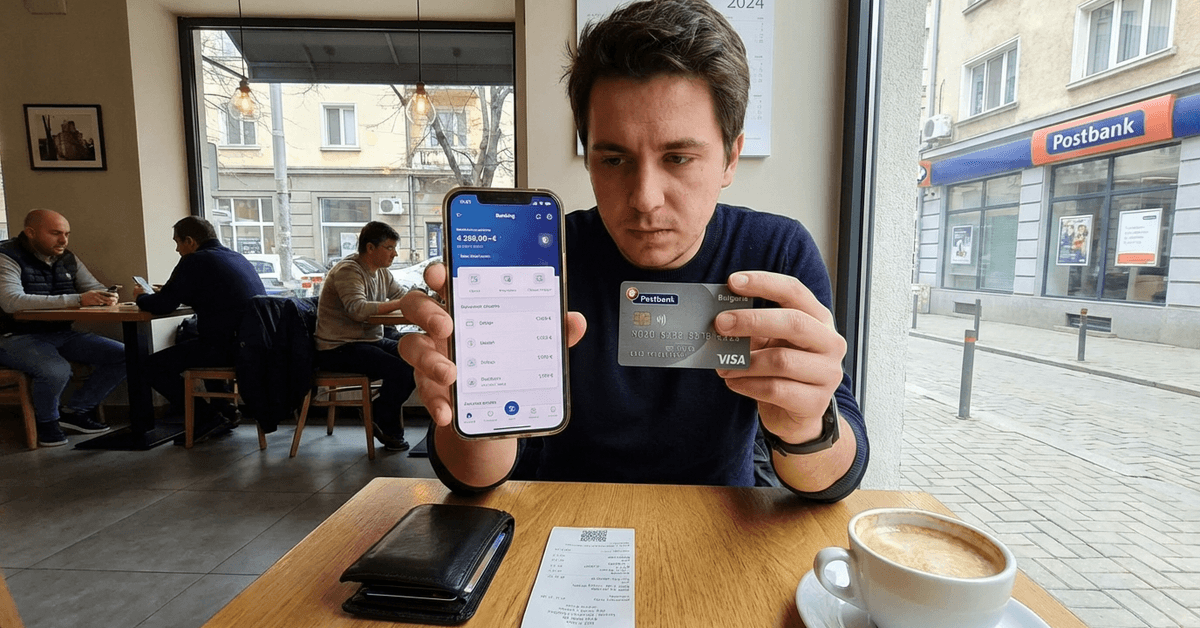
One detail that often gets overlooked: certain Postbank credit cards allow transactions in different currencies, which can help sidestep forex fluctuations.
At the same time, some users report that local currency spends often have the lowest fees.
Modern Online Banking Tools
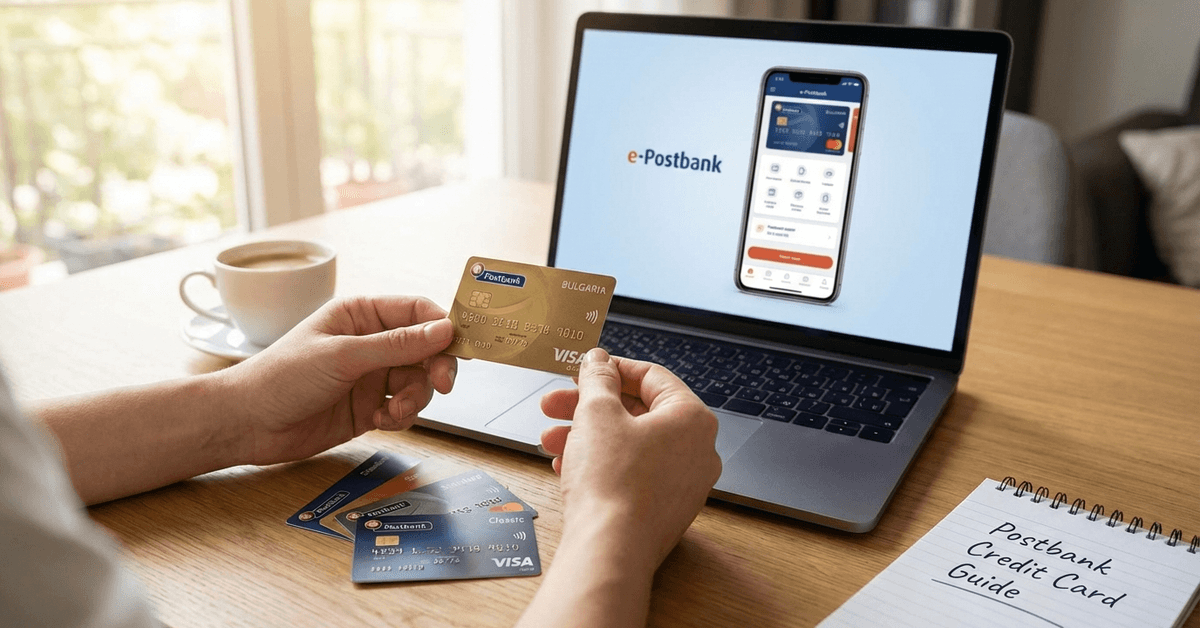
Using a credit card becomes easier with the e-Postbank mobile app . It’s possible to track expenses, check limits, or receive instant notifications for each transaction, adding transparency many people appreciate.
Main Types of Postbank Credit Cards
There are several credit card types to choose from. The lineup includes classic credit cards, co-branded offers, and premium options, each designed for a particular spending style.
Having these choices might support well-informed financial habits, though it might also create some confusion for first-timers.
Classic Credit Cards
The classic cards—Visa Classic, Mastercard Standard—offer basic features like contactless payments, modest fees, and reasonable credit limits. These are often recommended for everyday shopping or first-time cardholders.
Premium & Gold Cards
Premium products like Visa Gold or Mastercard Gold provide higher limits and sometimes extra perks, such as travel insurance or exclusive invitations to partner events.
But are these extras necessary for everyone? Maybe not. They can be a nice-to-have if you value the privileges, though.
Co-branded and Special Cards
Partnership cards—such as those with major retailers—can offer special discounts or reward schemes. For example, points for each purchase might be converted into gift vouchers or used for travel.
Student and Youth Credit Cards
Tailored for younger users, student cards usually have lower fees, but may require a parent’s guarantee and have smaller spending caps. These cards serve as useful tools for building a credit history early on.
Key Features and Limitations to Know
Every card comes with its own personality, so to speak. While certain features make cards look almost identical, sometimes the fine print tells a different story. Spending a few minutes on the details can pay off later.
Annual Fees
Postbank Bulgaria charges annual service fees depending on the card type. While basic cards typically come with lower fees—often under 30 BGN per year—premium options may go up to 70 BGN or higher. The numbers tend to change, so it’s always wise to check their fee tables first.
Interest Rates
Standard interest on unpaid balances ranges from 12% to about 18% APR. Promotions may occasionally lower these rates, but the exact terms usually depend on your credit rating. Some people find the advertised rates a bit optimistic compared to the final figures they see on their statements.
Minimum Payments and Repayment Plans
Monthly minimum payments often hover around 3% to 5% of your outstanding balance. Sometimes, a fixed minimum applies. Skipping payments could result in penalty fees, so it’s worth factoring repayment plans into your monthly budgeting.
Rewards and Points
Some Postbank credit cards include reward schemes, such as cash back or loyalty points for specific purchases. Conversion rates and how easily rewards can be redeemed may differ from card to card.
How to Apply for a Postbank Bulgaria Credit Card
Application processes are mostly streamlined but still require plenty of paperwork. Residents and foreigners can both apply, provided they have valid IDs and proof of income. Online applications through the Postbank portal or app have become popular lately.
Eligibility Criteria
- Personal identification (Bulgarian ID or foreign passport)
- Stable income or employment verification
- Credit history check—your previous banking record often impacts the limit and approval speed
- Proof of address, such as rental contracts or utility bills
Approval Timeframes
While the application itself only takes a few minutes, banks usually spend a couple of days reviewing documents. Delays might happen if extra information is needed.
Pros and Cons of Postbank Bulgaria Credit Cards
No credit card system is perfect, and Postbank’s products are no exception. Here are some practical positives and challenges that commonly come up:
Benefits
- Wide acceptance in Bulgaria and abroad
- Digital account management through the e-Postbank app
- Range of cards adapted to spending styles
- Occasional special offers, like lower first-year fees or bonus points
Drawbacks
- Annual fees, which can add up if you hold several cards
- Interest charges for unpaid balances
- Sometimes complicated reward redemption processes
- Occasional delays in card delivery or account setup
Security, Fraud Protection, and Responsible Use
The cards employ chip-and-PIN and 3D Secure measures for safe online transactions, but even advanced technology doesn’t always guarantee total peace of mind.
Monitoring statements, setting spending alerts, and avoiding public Wi-Fi for sensitive transactions are practical habits that can boost your confidence.
Reporting Lost or Stolen Cards
Quick reporting is possible via the e-Postbank app or the customer support hotline, which helps limit possible fraud. Replacement cards are usually issued within a week.
Comparing Postbank Credit Cards
If you’re on the fence, putting a few options side by side could help clarify which card fits your lifestyle. Some might think the process tedious, but visual tables or a quick checklist make comparison straightforward.
Example Comparison Factors
- Annual fee
- Credit limit
- Reward scheme details
- Travel perks
- Foreign transaction fees
- Contactless payment
Legal Considerations and Tax Impacts in Bulgaria
In Bulgaria, credit card rules tend to favor the consumer, but certain tax forms might apply if you receive significant rewards as part of a loyalty scheme. Keeping all payment documentation for your personal records seems sensible, even if audits are rare.
Personal Data Protection
Under Bulgarian and EU law, your financial details are protected. Still, reviewing the bank’s privacy statements is a good idea, since changes occasionally occur that could impact how your information is managed.
How Credit Cards Impact Your Financial Health
Used responsibly, a credit card can boost your credit history, as on-time payments are positive signals for future loans or mortgages.
However, missed payments or revolving high balances could harm your rating, potentially making future borrowing harder or more expensive.