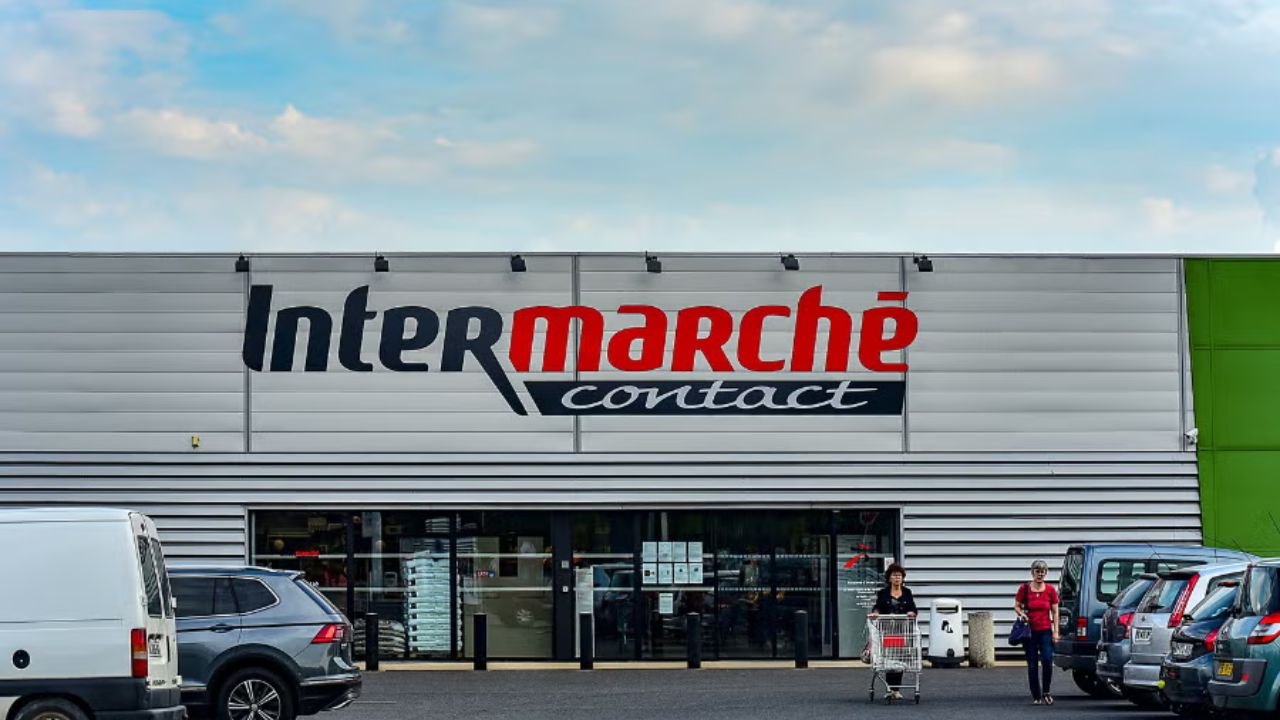
If you are looking at Intermarché jobs in France, the smartest move is choose a role that matches your schedule and strengths before you apply.
Intermarché stores hire for customer facing work, fresh food departments, and back of house logistics that keep shelves full and orders moving.


This guide explains the main positions you will see, the benefits employees can expect in a French retail context, the documents you should prepare, and a complete application procedure from listing search to onboarding.
How To Choose The Right Intermarché Role In France
Intermarché hiring varies by store size and location, so the “best” role is the one you can do consistently week after week.
Start by deciding whether you prefer customer contact, food handling, or physical stock work away from customers.
Then check the role schedule, weekend needs, and commute time, since those are frequent screening filters. A targeted choice improves your CV, your interview answers, and your chances of being called back.
Best Roles For Entry Level Applicants
Entry level roles often include cashier, shelf restocking, customer service support, and basic stockroom assistance. These jobs usually reward punctuality, clear communication, and comfort following procedures more than long experience.
Hiring managers want candidates who can learn quickly, stay calm during rush hours, and show up reliably for shifts.
If you are new, highlight any service, school, or volunteer experience that proves responsibility. Keep your application focused on availability and practical readiness.
Roles For Experienced Retail And Food Candidates
If you have experience, target roles where product knowledge and pace matter, such as fresh food counters, bakery support, team leading, or customer service desk responsibilities.
These positions often expect stronger product knowledge, sharper accuracy, and confident handling of customer questions. Managers also look for candidates who can work cleanly, manage time, and keep quality consistent under pressure.
Use examples that show results, like handling high-volume periods or preventing errors. Specific tasks and outcomes beat general claims.
Back Of House Roles For Logistics Focused Applicants
Back-of-house roles fit applicants who prefer structured routines, physical tasks, and limited customer interaction.
Common needs include receiving deliveries, stock replenishment, inventory checks, and warehouse-style organization. These jobs require safety awareness, stamina, and attention to labels and placement so items do not get lost or damaged.
Hiring teams value punctuality because deliveries and replenishment follow tight time windows. If you have logistics experience, describe tools, routines, and how you stay accurate.
Available Intermarché Positions And What You Do
Intermarché roles usually fall into three job families: front-of-store service, fresh food departments, and replenishment or logistics support.

Titles can differ between stores, but daily tasks are predictable once you read the description closely.
Focus on what you will actually do each shift, what systems you will use, and what managers measure, such as accuracy, speed, and customer experience. Picking the right family early reduces wasted applications and interview mismatches.
Cashier, Customer Service, And Sales Floor Support
Cashier roles focus on scanning items, handling payments, and staying accurate during high traffic periods. Customer service desks may manage returns, basic issue resolution, and direct shoppers to the right department.
Sales floor support includes facing shelves, checking price labels, refilling displays, and assisting customers who cannot find products.
These roles need attention to detail because mistakes cause complaints and delays at checkout. Strong applicants show calm service, accuracy, and comfort standing for long shifts.
Bakery, Deli, Produce, And Food Preparation
Fresh food departments cover bakery, deli, produce, meat, and prepared foods, depending on the store setup. Work can include packaging, labeling, cleaning routines, and following hygiene procedures that protect customers and meet internal standards.
Many roles also involve basic customer interaction, such as answering questions and keeping display areas clean and appealing.
Managers look for discipline, cleanliness, and consistency during busy periods. If you have food experience, mention it clearly and keep examples practical and verifiable.
Receiving, Stocking, Inventory, And Order Support
Receiving and stocking roles support the flow of goods from delivery trucks to shelves and storage areas. Tasks include sorting, labeling, moving stock safely, rotating items, and keeping aisles and back rooms organized.
Inventory support can involve checks for missing items, recording discrepancies, and correcting shelf placement to reduce waste.
Some stores also need order support for pickup or local delivery preparation, where accuracy is critical. Hiring teams prioritize stamina, safety habits, and reliable routines over speed alone.
Benefits, Pay, And Growth Opportunities
Benefits and pay vary by contract type, store, and hours, so treat each vacancy as its own package until it is confirmed during hiring.
In France, employees generally work within statutory protections and employer policies that cover scheduling, leave, and workplace standards.
Retail roles often include shift work and weekend coverage, and some departments require early mornings or late evenings.
The best approach is to confirm hours, contract terms, and benefits eligibility during interviews. Clear questions now prevent surprises after an offer.
Scheduling, Hours, And Contract Expectations
Retail schedules usually follow store opening hours and peak customer times, which can mean rotating shifts. Part-time contracts may have variable hours depending on staffing needs, while full-time roles usually have steadier patterns.
Fresh food and logistics can require earlier starts for preparation and replenishment routines.
Managers want reliable availability, so state clearly what you can commit to across weekdays and weekends. If you need stability, ask how far ahead schedules are posted and how shift changes are approved.
Perks And Benefits To Ask About
In a French retail context, employees commonly ask about paid leave rules, rest breaks, and any employer-supported programs tied to wellbeing and workplace safety.
Some stores may offer practical perks such as meal arrangements, local discounts, or support related to commuting, but benefits eligibility can depend on contract type and hours.
The important step is verifying what applies to your specific role and when it begins. Ask what starts immediately and what depends on probation or minimum weekly hours. Written clarity helps you compare offers responsibly.
Training, Certifications, And Internal Mobility
Training matters in retail because systems, safety, and customer standards rely on consistent routines. New hires often receive onboarding for checkout systems, food hygiene steps, stock procedures, and how to handle customer issues correctly.
Growth typically comes from reliability, good performance, and learning multiple areas, which supports internal mobility.
If you want mobility, ask how promotions are decided and what skills managers value. Continuous learning signals you are ready for more responsibility.
What You Need Before You Apply
A clean application starts with preparation, because hiring moves faster when your documents are ready and your details are consistent.
Most delays come from missing IDs, unclear CVs, or availability that does not match the store’s needs. Prepare your core documents, review your work history for consistent dates, and decide on a realistic schedule before you submit.
This also helps you answer screening questions without changing your story later. When your file is consistent, recruiters can assess you more quickly.
CV Essentials And Availability
Your CV should be simple, factual, and aligned to the role you want, whether that is cashiering, fresh food, or logistics.
List recent experience with dates, core tasks, and any tools you used, such as POS systems, inventory routines, or customer service channels. Add a short skills section tied to the posting, focusing on accuracy, speed under pressure, and teamwork.
Availability is a major filter, so state days, time windows, and weekend availability clearly. Consistency across CV and forms protects your credibility.
Identity And Work Authorization
You will typically need valid identification and proof that you are authorized to work in France, based on your status. Keep your legal name consistent across your application profile and documents to avoid verification delays.
If your address or contact details have changed recently, update them before you apply so records do not conflict.
Have clear scans or photos ready if the application system requests uploads. If a document is pending renewal, disclose it early and confirm whether it affects start date eligibility.
References And Onboarding Paperwork
Some stores may request references, especially for roles involving cash handling, supervision, or food department responsibility. Choose contacts who can confirm reliability, attendance, and work quality, and ask permission before sharing their details.
Onboarding usually requires accurate personal information for payroll and employment records, so keep your address, bank details, and emergency contact information ready for onboarding records.
If the role requires health and safety steps, follow instructions carefully and keep copies of what you submit. Being prepared reduces delays between offer and first shift.
Application Procedure And Hiring Timeline
Intermarché hiring usually follows a predictable flow: find a listing, submit an application, complete a first contact or screening, then attend an interview and onboarding steps if selected.

Your success depends on applying through the correct channel, providing complete information, and responding quickly to calls or messages.
Many candidates lose interviews by missing outreach or submitting incomplete availability. Treat each application like a short project with a checklist and timeline. A structured approach is the fastest way to move from application to start date.
Finding Listings And Submitting Applications
Start by searching official career pages or store-specific listings where the location, department, and contract details are clearly stated.
Choose roles that match your commute and availability, then complete all required fields carefully. Upload a readable CV and keep employment dates consistent across the form and your CV.
Answer screening questions with short factual responses, focusing on tasks you have actually done. Save a record of the role title, store location, and submission date so you can follow up professionally if needed.
Interviews And Trial Shifts
Interviews typically focus on availability, reliability, customer service attitude, and comfort with routine tasks under pressure.
Be ready to explain why your schedule is stable, how you handle busy periods, and how you avoid mistakes at checkout or in stock routines. Some stores may use a trial shift or practical observation, especially for fresh food or logistics work where safety and pace matter.
Treat a trial shift like a real workday and follow instructions closely. Clear performance and calm communication increase confidence in your fit.
Offer, Onboarding, And First Week
If you receive an offer, confirm start date, schedule expectations, and any probation details in writing. You may be asked to provide documents quickly for onboarding, so having them ready prevents delays.
During the first week, focus on learning systems, safety rules, and department routines, because early accuracy matters more than speed.
Ask questions when unsure, since retail errors often come from guessing. A steady first week builds trust with managers and helps you secure better shifts and future mobility.
Conclusion
Applying for Intermarché jobs in France works best when you use a targeted approach and treat the process like a checklist. Focus on realistic availability, consistent work history, and role-relevant skills, then answer screening questions with factual detail.
Benefits and work conditions vary by contract and store, so confirm schedules and eligibility during the interview stage instead of assuming.