For those living in or visiting Bulgaria, understanding the range of Fibank credit cards can open doors to practical financial solutions. Fibank, known as First Investment Bank AD, ranks among the country’s most recognized banks.
This article aims to offer a detailed, unbiased look at credit card options, features, requirements, and how these can fit into real-world budgets and lifestyles.



Anyone comparing credit cards or considering financial tools in Bulgaria might find this resource helpful—maybe even eye-opening.
Why Fibank Credit Cards Are Worth Considering in Bulgaria
Fibank’s credit card portfolio stands out because of its local expertise. Bulgarians and expats alike can access cards that address what many actually need: convenience, security, and flexibility.
Even tourists or long-term visitors might notice Fibank ATMs and branches throughout the country, making their cards convenient for everyday use.
Widespread Acceptance Across Bulgaria
One of the challenges with any credit card is where it can be used. Fibank credit cards are accepted at thousands of retail locations, restaurants, and online merchants around Bulgaria. They’re also compatible with most major international networks, which perhaps adds peace of mind for travelers or remote workers.

Integration with Leva and Foreign Currencies
Most Fibank credit cards support transactions both in Bulgarian lev (BGN) and major international currencies.
This gives users a layer of flexibility for cross-border spending or online shopping, and it’s particularly useful for those sometimes earning or paying in EUR or USD.
Customer Support and Banking Services
Fibank users have access to multilingual banking support and a relatively strong network of ATMs.
While not unique in Bulgaria, the combination of competitive card features and in-person services is something many people seem to value, though opinions differ.
Types of Fibank Credit Cards Available
Fibank tends to update its card selection every few years. The core lineup might change over time, but here is what’s typically available now:
Classic Credit Cards
These standard credit cards are designed for everyday purchases. Limits may be modest, but that’s often practical for students, first-time cardholders, or those seeking budget control.
Interest rates and annual fees fluctuate, so checking current terms on the Fibank Bulgaria website is wise.
Gold and Platinum Cards
High-income professionals or frequent travelers might be interested in Fibank Gold or Platinum cards.
These cards offer increased credit limits, loyalty perks, and some include travel insurance or purchase protection features. The eligibility criteria? Usually a higher income and, sometimes, substantial banking history with Fibank.
Co-Branded and Special Purpose Cards
On occasion, Fibank collaborates with other brands or offers specialized cards—such as airline mile cards or cards tied to retail loyalty programs. Availability seems to vary by year or region, so exploring the latest on Fibank’s site could reveal new offers.
Essential Features and Benefits of Fibank Credit Cards
Diving into features, Fibank credit cards generally aim to balance safety, usability, and budget control. Here are some highlights, though specifics may differ by card:
Contactless Payments
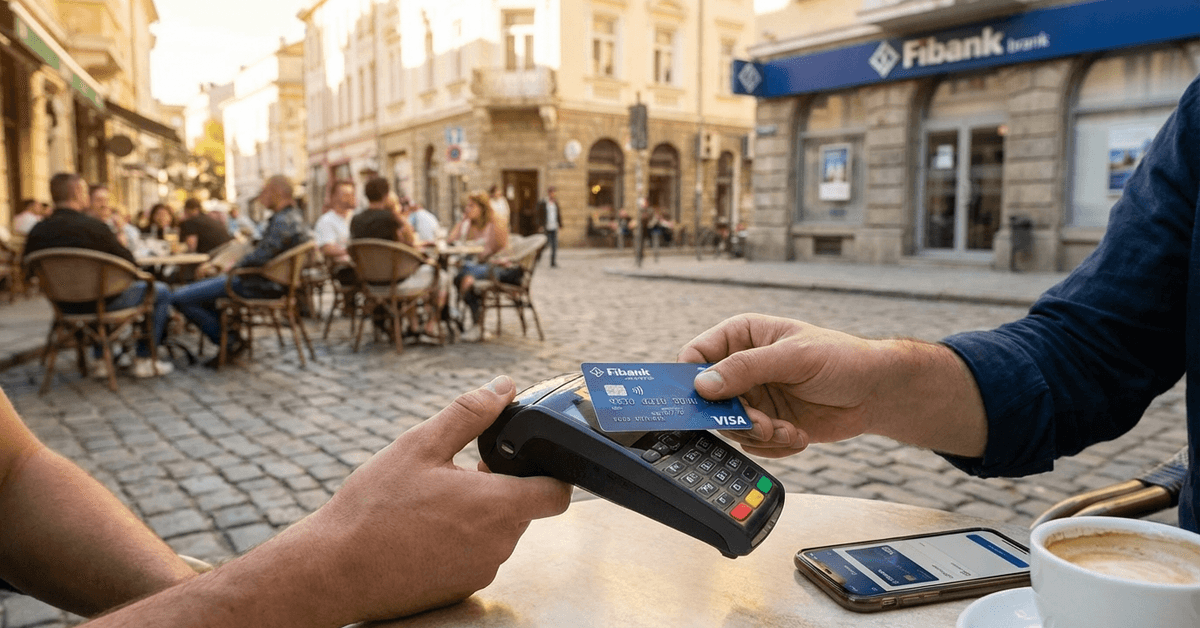
Contactless functionality has become a norm—not just for convenience but also for health and hygiene. Fibank’s credit cards support tap-and-go payments in Bulgaria and abroad, which is a feature many cardholders now expect.
Mobile Banking Integration
Fibank users can manage their credit cards via the mobile app, checking balances, tracking transactions, and receiving real-time notifications. This practical tool perhaps encourages better budgeting or at least a stronger sense of control.
Security Measures
Security protocols for Fibank credit cards include EMV chips, SMS verification for online payments, and card-blocking functionality in case of theft or loss. For some people, knowing extras like 24/7 fraud monitoring exist is a silent comfort.
Loyalty and Reward Programs
Loyalty points, cashback, or partner discounts sometimes attach to Fibank credit cards. Terms can be complex, with expiry dates and special rules. Double-checking the fine print is always sensible, as conditions may change without much notice.
How to Apply for a Fibank Credit Card: Requirements and Process
For residents and non-residents alike, Fibank has outlined clear application steps.
While the experience feels straightforward to some, occasional bureaucracy isn’t unheard of. Here’s what’s commonly required:
- Proof of identity (Bulgarian ID card or passport)
- Proof of income (pay slips, salary statements, or bank statements)
- Completed application form (online or in-branch)
- For non-residents, documentation regarding legal stay
- Sometimes, proof of address in Bulgaria
Approval timelines may vary. Sometimes, applicants wait a few days; other times, the process seems almost instant, depending on existing Fibank relationships or income level.
Managing Credit Card Costs: What to Expect
Hidden costs can take the shine off any credit card. Fibank outlines major charges, but some fees may not be obvious at first glance. Here are a few to keep in mind:
- Annual service fees (varies by card type)
- Interest rates on unpaid balances
- Foreign transaction fees on certain cards
- ATM cash advance fees, which can be higher than standard withdrawals
- Late payment or over-limit fees
Not everyone faces all these charges, of course, and careful management can help avoid extras. Still, it never hurts to double-check official rates or speak with a Fibank representative when unsure.
Comparison: Fibank vs. Other Bulgarian Credit Card Options
Is Fibank the right pick for everyone? Maybe, maybe not. Bulgaria’s credit card market also features UniCredit, DSK, Raiffeisen, and regional banks.
Side-by-side, Fibank’s strengths include their customer service and broad acceptance. However, some rivals advertise lower interest rates or different rewards structures. Individuals might want to weigh:
- Annual and maintenance fees
- Interest rates and payment flexibility
- Loyalty program perks
- International usage terms
- Branch and ATM network size
Comparisons are especially relevant for expats, frequent travelers, or those with fluctuating income. Also, some people seem to pick based on which mobile banking app feels most user-friendly. Personal preferences clearly matter.
Common Questions About Fibank Credit Cards in Bulgaria
From online forums and everyday conversations, a few recurring questions tend to surface regarding Fibank cards:
- Can foreigners apply for Fibank credit cards? The answer seems to be yes, provided residency rules are met.
- Is it possible to manage Fibank cards fully online? Most regular functions—like checking balances or making payments—are available online or via app, but some activities might still require branch visits.
- Are Fibank cards safe for online purchases? With the added security features, risks feel minimized, though caution always applies.
- Can students or young adults get approved? If income requirements are met, students are eligible. Some cards expressly target first-timers.
- Are support services available in English? Officially, yes, in most branches and via customer service, which may reassure expats.
Tips for Maximizing Credit Card Benefits Responsibly
Financial products offer potential for good or ill. From personal experience (and also learned from friends), those who use credit cards for budgeting or planned purchases notice long-term benefits.
However, late payments or careless spending can quickly spoil those advantages. Here are a few strategies that might help:
- Review statements monthly—habit makes occasional errors easier to spot
- Set payment reminders to avoid interest on unpaid balances
- Leverage loyalty points while they’re active; don’t let rewards expire unused
- Stay alert for promotional discounts or bonus interest periods
- If traveling abroad, notify Fibank to minimize card blocks for suspicious activity
Perhaps not every tip fits every spending style, but even small habits may increase confidence and help avoid financial stress down the road.
Legal, Regulatory, and Tax Issues to Keep in Mind
Like every bank in Bulgaria, Fibank is regulated by the Bulgarian National Bank and complies with EU rules. Credit card users may need to report international spending or income from rewards for tax purposes, but this varies by situation.
When it comes to consumer protection, Bulgarian law offers basic safety—yet card agreements can contain unfamiliar clauses.
Some professionals recommend reading the user contract closely or consulting with a financial adviser, especially for high-limit cards or business accounts, just to avoid surprises or misunderstandings.