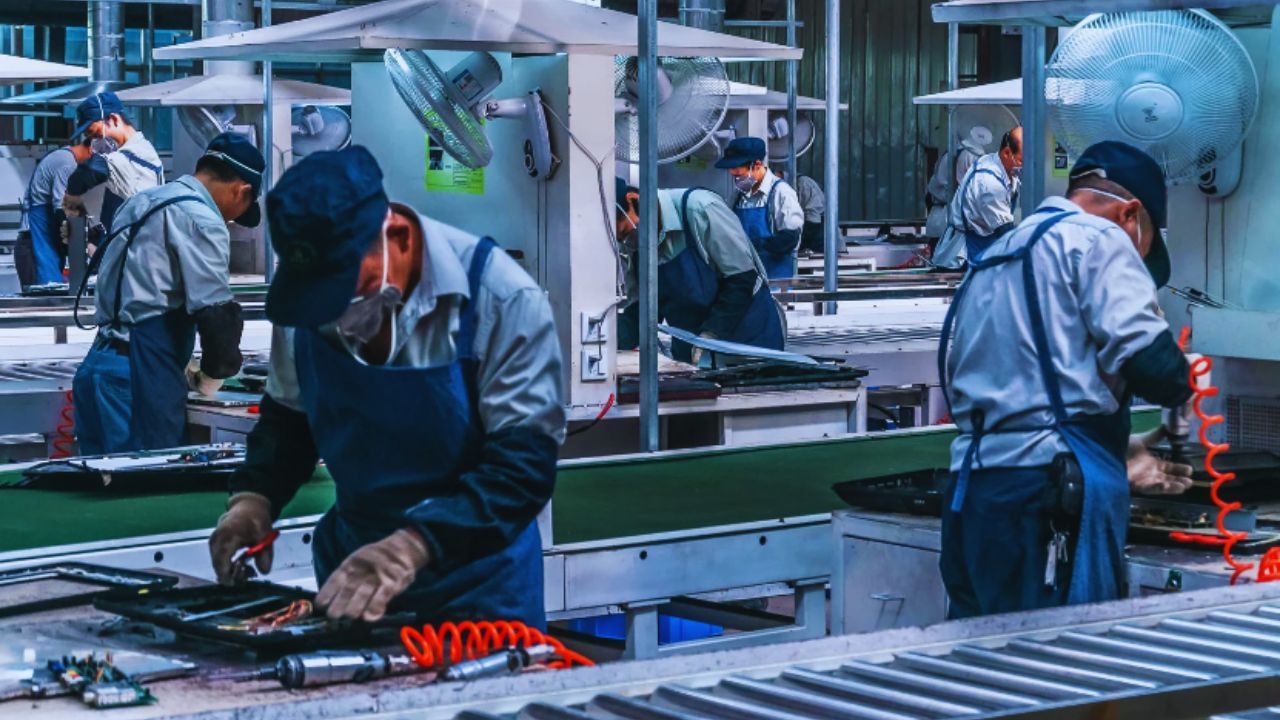
For individuals seeking stable work, factory jobs in the Czech Republic offer a pathway to consistent employment.
Manufacturing is a major part of the country’s economy, with both international and local companies hiring from diverse backgrounds—including those who speak English or Czech.



This article is aimed at job seekers exploring new possibilities in the region.
Whether you’re a skilled worker or just beginning, understanding wage expectations, working conditions, and employer requirements can help build realistic expectations and inform career choices.
Why the Czech Republic is a Popular Choice for Factory Work
Across Europe, Czechia holds a reputation for accessible factory jobs. Many find the sector straightforward to enter and appealing because of its steady demand and pay structure. A few characteristics stand out.
Robust Industrial Sector
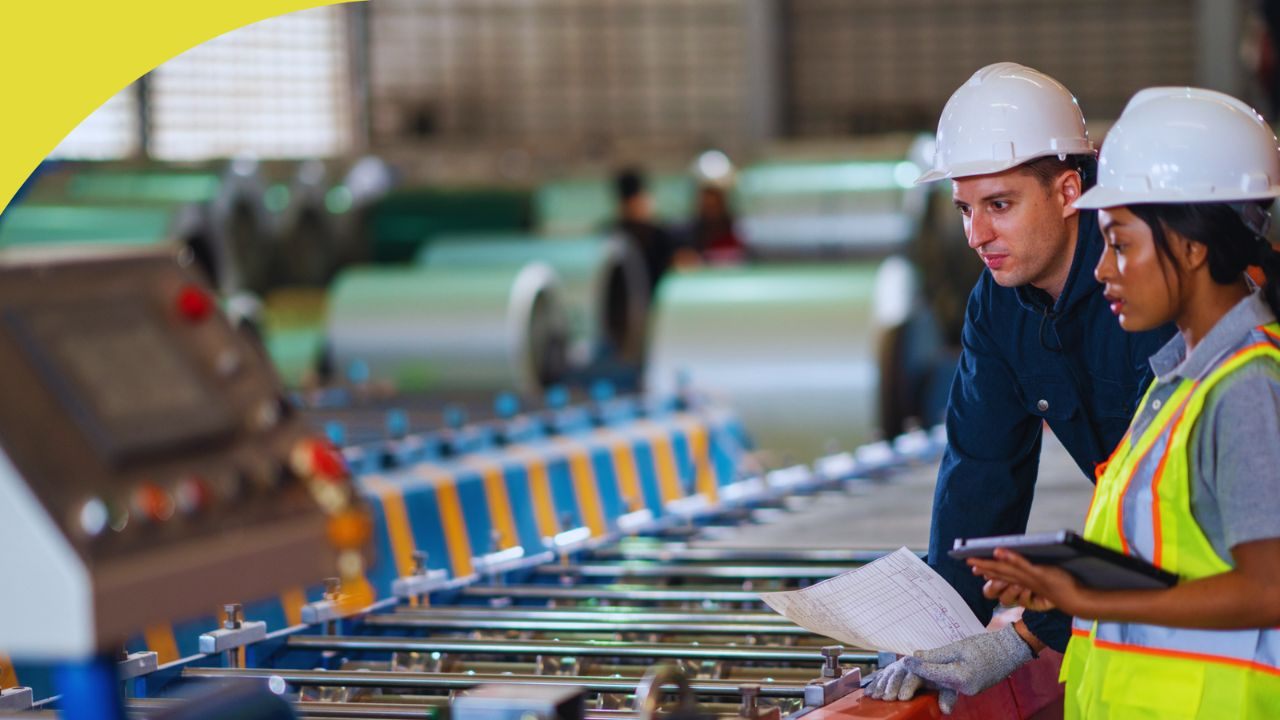
The Czech Republic’s manufacturing industry covers automobiles, electronics, food processing, and more. Global brands have a presence here, joining local manufacturers to keep factories running year-round.
Possibility for English Speakers
Though Czech is widely used on the factory floor, several large employers accept English-speaking factory workers. However, willingness to learn some basic Czech may help with integration and expanded job choices.
Demand for Skilled and Unskilled Workers
Positions range from assembly line operators to maintenance technicians, with ongoing hiring for both entry-level and skilled candidates. This creates space for various educational backgrounds and career experiences.
Types of Factory Jobs Available Now
Opportunities can differ by employer, location, and industry. Here are typical job categories found in Czech factories:
- Assembly Line Workers: Performing repetitive tasks on a production line
- Machine Operators: Running or monitoring equipment, sometimes requiring light technical skills
- Logistics Support: Packaging, warehouse assistance, and material handling
- Quality Control Inspectors: Ensuring products meet established standards
- Maintenance Technicians: Repairing and maintaining machinery
- Supervisory Roles: For individuals with previous factory or management experience
Typical Requirements for Factory Positions
Each factory sets its own requirements, but some themes emerge. Many positions are open to applicants without significant education or experience, but there are a few common expectations:
- Basic physical fitness (for standing, lifting, repetitive movement)
- Willingness to work shifts or weekends
- Reliability and punctuality
- A work permit or legal right to work in the Czech Republic
- At least basic communication skills (in English or Czech)
Typical requirements for factory positions are generally accessible, making these roles suitable for a wide range of applicants.
Most employers require a basic education, such as a high school diploma or equivalent, along with the ability to follow instructions and work in a team.
Physical fitness is often important, as tasks may involve standing for long periods, lifting materials, or operating machinery. Basic technical skills and a willingness to learn are highly valued, especially in modern manufacturing environments.
Employers also prioritize reliability, attention to detail, and adherence to safety standards, while prior experience can be an advantage but is not always necessary.
Salaries and Benefits: What’s Standard?
Compensation varies by region and the specific job. Average monthly wages for entry-level assembly or warehouse roles usually range from 22,000 to 32,000 CZK (roughly €900–€1,300) before tax.
Some employers offer bonuses tied to shift work, output, or attendance. Benefits can include meals, subsidized transport, paid holidays, and sometimes accommodation allowances.
While the base salary might feel modest compared to Western Europe, the lower cost of living and benefits package may balance the equation for many workers.
Where to Find Factory Jobs in Czech Republic
There’s no single best place to start. Several online portals and staffing agencies focus on factory recruitment. A few notable sources include:
- Jobs.cz (Portal primarily in Czech, but with some English listings)
- Expats.cz (English-friendly roles, including manufacturing)
- EURES (EU-wide portal with Czech job postings)
- Personal agencies with multilingual teams, such as Grafton Recruitment
Company websites—such as Škoda Auto, Foxconn, or Siemens—sometimes list vacancies directly. Job seekers might consider registering with multiple agencies for broader coverage.
Key Cities and Regions with High Factory Job Demand
Manufacturing hubs aren’t restricted to Prague. In fact, many factories are clustered around regional cities and industrial parks. Examples include:
- Prague: Logistics, food processing, electronics assembly
- Brno: Machinery, electronics, automotive suppliers
- Plzeň: Strong automotive and industrial sectors
- Mladá Boleslav: Automotive (with Škoda as a major presence)
- Ostrava: Metallurgy, industrial machinery
Potential Challenges to Be Aware Of
Like manufacturing jobs elsewhere, Czech factory work can be physically demanding. Shifts, repetitive tasks, or noisy environments are part of everyday life for many in the sector.
The experience isn’t perfect—there might be some language challenges or the adjustment to working patterns, especially for new arrivals. It’s worth weighing these alongside the benefits.
Legal and Tax Considerations for Factory Workers
Anyone considering factory employment should check their legal work status, especially non-EU nationals or those on a student visa.
The Ministry of Labour and Social Affairs (mpsv.cz) provides official information on residency, permits, and equal employment rights.
Taxes are withheld from pay automatically, but keeping pay slips and registering address with local authorities is standard practice.
Tips for English and Czech-speaking Applicants
- Ask about language policies during interviews, even if a job is listed as English-friendly.
- Consider basic Czech classes; even limited knowledge supports workplace integration.
- Prepare references if possible, especially for managerial or technical posts.
- Read contracts carefully, and, if unsure, ask for a translated version or seek advice from worker support organizations.
Growth Prospects and Career Development
Growth prospects and career development in factory jobs in the Czech Republic are stronger than many expect, especially within the country’s robust manufacturing sector.
Entry-level roles often provide structured training programs that help workers quickly gain technical skills, safety knowledge, and familiarity with modern production systems.
With experience, employees can progress into specialized positions such as machine operators, quality control inspectors, or maintenance technicians, which typically offer higher pay and greater responsibility.
Many companies also support continuous learning through certifications and on-the-job training, making it possible to transition into supervisory or management roles over time.
The presence of international manufacturers further enhances opportunities, exposing workers to advanced technologies and global standards.
For motivated individuals, factory work can become a stable long-term career path, offering not only financial security but also clear advancement routes and valuable, transferable skills across industries.
Conclusion
Factory jobs in the Czech Republic offer stable employment, competitive wages, and hands-on experience, helping workers build skills, secure income, and adapt to structured environments across manufacturing and industrial sectors.