Looking for a practical way to earn an income in Morocco? Delivery jobs in Morocco may offer the flexibility and opportunity you’re hoping for.
Whether you’re a student, looking for part-time work, or interested in exploring the gig economy, delivery roles could be an accessible start.


This article walks through what to expect, how to find jobs, and tips to increase your earnings. The content is valuable for those new to this field or simply interested in Morocco’s growing delivery sector.
Why Consider Delivery Jobs in Morocco?
The delivery sector has experienced huge growth. Maybe you’ve noticed more delivery bikes and scooters weaving through the city.
It isn’t just about speed, but also about meeting rising demand for food, packages, and groceries. For those seeking work in competitive job markets, the entry requirements are typically lower, and experience isn’t always mandatory.

This makes it particularly appealing to many young Moroccans or residents looking to supplement their income.
High Demand in Urban Centers
Major cities like Casablanca, Rabat, Marrakech, and Tangier see constant demand for reliable couriers.
Businesses increasingly rely on delivery workers to reach customers quickly. It’s not unlikely that the demand continues growing, especially as more people order food and products from phones or computers.
Flexible Working Hours
For some, standard office hours simply don’t fit. Perhaps someone has family to care for or studies to keep up with. Delivery jobs often offer flexibility , letting people select shifts or work part-time alongside other responsibilities.
Quick Start Opportunities
Unlike many professions that require months of training or advanced degrees, delivery services may just need a working phone, a vehicle (bike, scooter, car), and time on your hands. The path to a new income stream can be much shorter.
Types of Delivery Jobs in Morocco
There are several categories within the delivery ecosystem. Each comes with its own requirements and potential benefits. It’s worth exploring which fits best with your schedule or interests.
Food Delivery
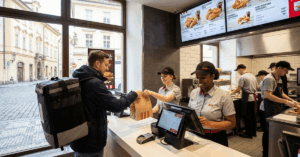
Platforms like Glovo, Jumia Food, and local services usually need drivers or cyclists. The volume of meal orders remains high, particularly during lunch and dinner windows.
Food delivery is possibly the most visible option, but it can require dealing with rush-hour traffic and unpredictable weather.
Package and Courier Delivery
Several logistics companies, both international and local, hire contractors to transport parcels to homes, offices, or pickup points.
This role often demands handling larger packages, not just lightweight food bags. If you prefer less interaction with restaurant staff or customers, package delivery could feel a bit more independent.
Grocery Deliveries
Online supermarkets and grocery apps need couriers, too. These deliveries can include heavier items, and sometimes tips are higher because recipients appreciate the convenience.
Stores may employ direct delivery drivers, especially during peak times such as holidays or weekends.
How to Find Delivery Jobs in Morocco
Searching for delivery jobs doesn’t have to be daunting. Some people start by talking to friends already working as couriers, while others search online. Here are several suggested avenues:
- Major apps: Check platforms like Glovo or Jumia Food for sign-up requirements and open positions.
- Company websites: Explore logistics provider websites for opportunities to join as a delivery partner.
- Job boards: Local online job boards sometimes list courier and delivery driver openings.
- Word-of-mouth: Sometimes, restaurants or shops recruit directly and prefer local recommendations.
It might be helpful to have your CV and ID ready, plus a valid driving license for motorized vehicles. Some platforms may require a background check or a short onboarding process.
Requirements and Qualifications
Entry into this sector is generally more accessible than some traditional jobs. Still, certain criteria will likely apply, depending on the employer or platform.
- Able to use a smartphone efficiently
- Reliable means of transportation (bicycle, motorbike, car)
- Valid driver’s license for motor vehicles
- For some jobs: Proof of residence or ID card
- Basic communication skills in Arabic, French, or English
Some platforms also appreciate applicants with a basic sense of direction around their working area. Familiarity with common neighborhoods, business districts, or shortcuts can make daily work easier.
How Much Can You Earn from Delivery Jobs in Morocco?
Earnings often vary by city, employer, and level of activity. Interestingly, rates may be higher during weekends or for late-night shifts. Here’s a rough idea of what couriers might expect:
| Job Type | Estimated Hourly Earnings (MAD) |
|---|---|
| Food Delivery | 25-40 |
| Package Courier | 30-45 |
| Grocery Delivery | 27-42 |
Some drivers have mentioned greater income targets with bonuses for completing many orders, or during periods of high demand. Personally, I’ve heard from acquaintances that tips, while unpredictable, occasionally provide a welcome boost too.

Top Delivery Platforms in Morocco
Several companies dominate the delivery space—some international, others homegrown. While platforms may update their policies, these stand out as leading options:
Glovo
A widely recognized platform operating in several Moroccan cities. They often open up registration for new couriers through their website. Popular for both food and convenience item delivery.
Jumia Food
Jumia is known across Africa for both shopping and food delivery. Job seekers can review Jumia’s careers page to check if new couriers are needed in their location.
Yassir
While Yassir began as a ride-hailing service, it has expanded into deliveries in Morocco. The platform sometimes offers incentives for new signups or busy periods.
Bosta and Local Startups
Bosta and several emerging local startups are rapidly expanding, especially in package and express delivery. Checking with these smaller firms might increase your chances, as sometimes their application process is simpler.
Tips to Boost Delivery Earnings
Maximizing income from delivery isn’t only about working longer. There are strategies that may help boost efficiency and earnings:
- Pick peak hours like lunch, dinner, and weekends for more orders.
- Get to know neighborhood shortcuts and common delivery routes.
- Maintain strong communication with dispatchers and customers.
- Take care of your bike or vehicle; unexpected breakdowns cut into earnings.
- Stay organized—group deliveries when possible to save time.
Sometimes, minor adjustments in timing or route planning make a surprising difference. If in doubt, asking a colleague often yields helpful local tips.
Legal, Safety, and Tax Considerations
There are a few things to keep in mind from a legal and safety perspective. Not every job seeker is aware of these right away.
Legal Status and Documentation
Operating as a courier might require specific documentation, especially when using a motorbike or car.
Employers may require you to register as an independent contractor or, in some cases, an employee. Verifying details with each company helps avoid surprises later.
Insurance and Road Safety
Some companies ask for insurance, while others don’t. Regardless, ensuring personal and vehicle insurance is up-to-date can’t be overstated.
Street traffic—especially in Morocco’s larger cities—can be unpredictable. It’s always worth taking a cautious approach, especially after sunset or during busier holidays.
Tax Responsibilities
Income from delivery jobs is generally taxable. It’s wise to keep records of earnings and expenses.
Consulting a professional about tax status may help, but not everyone finds this step right away, which sometimes leads to confusion at tax time.
Advancing Your Delivery Career
While delivery might seem like a stopgap or side income, some individuals turn it into a longer-term pursuit. Gaining reliability, speed, and positive customer feedback may open up new roles, like dispatching or team leadership.
Others use the stability to fund studies or personal projects.
Some eventually invest in their own small delivery business—though of course, that comes with its own set of risks and learning curves. Perhaps, even if you start small, unexpected opportunities could arise over time.