Managing personal finances in Saudi Arabia can sometimes feel complicated. Cashback credit cards, however, introduce a genuine opportunity to earn money back on daily expenses.
They might seem simple, but there’s quite a bit to consider if you want to make the most of these offers.



This guide is tailored for residents, expats, or anyone exploring credit cards in the region who wants to understand benefits and practicalities—especially with a focus on the Saudi market in both English and Arabic contexts.
Understanding Cashback Credit Cards: What Sets Them Apart?
Cashback credit cards return a percentage of your purchases as cash—straightforward in theory, but details vary by issuer.
Many banks in Saudi Arabia structure their rewards to suit local spending habits. Some emphasize grocery shopping, while others prioritize fuel, dining, or online purchases.
It’s worth mentioning that rates, caps, and redemption options may sometimes be a little confusing, especially for those new to these products.
How Cashback Works in Practice
Upon making a purchase, a portion—often between 1% and 5%—is credited back to your account. You might notice monthly statements displaying total cashback earned. Sometimes there’s a minimum ‘spend’ required or a cap per category.
Key Terminology to Know
- Annual Percentage Rate (APR): The cost of borrowing if you carry a balance.
- Spend Categories: Types of purchases that qualify for higher cashback (e.g., supermarkets, travel, fuel).
- Redemption Methods: Whether cash is credited, deducted from your bill, or converted into vouchers.
- Limits and Caps: Maximum cashback possible in each billing cycle or per year.
Why Consider Cashback Credit Cards in Saudi Arabia?
Saudi consumers and expatriates usually favor cards that simplify savings. Many find cashback perks especially appealing considering the recent increase in digital payments and e-commerce.
Financial inclusion is on the rise, yet not all cards are created equal.
Considering cultural, economic, and practical factors is essential—sometimes people overlook hidden fees or forget about expiry dates.
Popular Spending Categories in KSA
- Grocery shopping
- Online shopping
- Dining and cafes
- Fuel and commuting
- Utility bill payments
Some cards might also offer bonus cashback during Ramadan or special national events. However, it’s easy to get distracted by headline rates and forget about how spending habits interact with rewards.
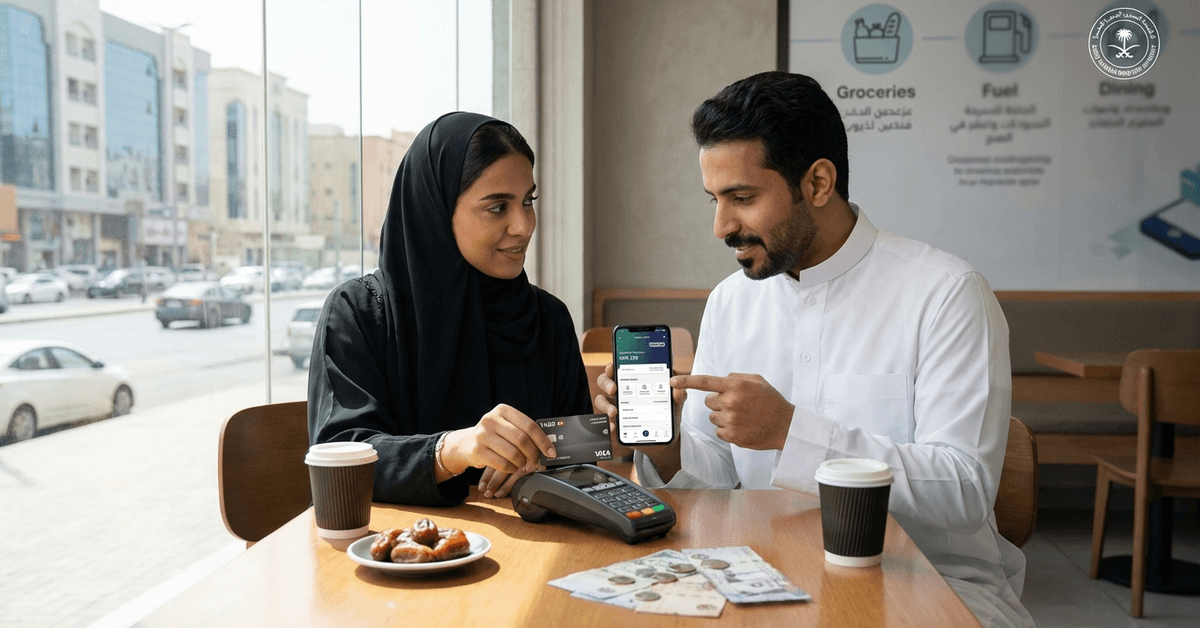
Top Cashback Credit Cards Available in Saudi Arabia
Several leading banks in the region compete with varied cashback cards. Among the well-known names are Al Rajhi Bank, Samba, SABB, Riyadh Bank, and Saudi National Bank. Each card targets certain lifestyles and transaction patterns.
This diversity can actually make comparisons a bit daunting—even for those familiar with financial products.
Al Rajhi Bank Cashback Credit Card
One of the most popular options, offering up to 5% cashback on select spending categories, though general spending rates are lower. No annual fees on some plans, but offers change occasionally.
SNB (Saudi National Bank) Cashback Card
Features flexible cashback rates and special partnerships with local retailers. The small print—like eligibility or card fees—can affect the overall value, so checking the most recent terms is crucial.
SABB Cashback Credit Card
A frequent choice for expats. SABB cards sometimes run seasonal campaigns, so rates may shift according to the time of year or ongoing offers.
Comparing Cashback Rewards: Making Sense of the Options
Sometimes a flashy rate hides more restrictive conditions—and the simplest card may offer real-world savings that sound modest on paper but add up over time.
Analyzing these details can prevent disappointment later on. Consider the following:
- Is the advertised cashback rate limited to one category?
- Are there monthly or yearly caps?
- Do certain merchants or brands count (or not count) toward higher rates?
- How quickly does cashback pay out?
- Are redemption methods straightforward?
It’s tempting to focus just on the percentage earned, yet regular users sometimes realize that a slightly lower but unlimited card can outperform a high-capped one. User experience matters, too.
Unpredictable outages, delayed redemption, or unclear statements can make daily management unnecessarily stressful.
Bilingual Banking: English and Arabic Card Interfaces
Most Saudi banks provide both Arabic and English support. However, documentation, app interfaces, and contracts may sometimes favor one language—or, oddly enough, use financial jargon that’s unfamiliar to even fluent speakers.
For expats, reviewing terms in both languages, if possible, can clarify unfamiliar details.
Tips for Navigating Bilingual Accounts
- Switching Languages: Check if card management apps allow toggling.
- Customer Support: Consider hotline or chat support availability in your preferred language.
- Documentation Review: When in doubt, ask for a side-by-side English-Arabic overview.
This dual-language approach can be especially helpful when resolving disputes or seeking policy clarifications. Many local banks have invested in improved customer experiences, but not every channel is equally reliable or up to date.
Eligibility and Application Criteria in Saudi Arabia
Applying for a cashback credit card is generally accessible. Still, requirements might differ depending on whether you’re a Saudi national or an expatriate.
Most issuers assess income, employment stability, and sometimes credit history. There’s usually an age restriction (often 18 or 21+).
- Valid Iqama (for expats) or National ID (for Saudis)
- Proof of income (salary certificate, payslip, or bank statement)
- Minimum salary requirement (ranges from SAR 3,000 and up)
- A clean credit history improves approval chances
In some cases, people find alternative (Sharia-compliant) cards with slightly different rules. Online applications are generally simple, although paper documents could still be necessary for final approval.
Managing Card Benefits: Tips to Get the Most Value
Despite the appeal of ‘free money,’ using a cashback card wisely is essential. A well-managed card can make daily costs lighter, but interest rates and fees add up if balances are left unpaid.
Occasionally, accidental overspending wipes out rewards, so tracking both spending and rewards helps prevent this.
Suggestions for Maximizing Cashback
- Match spending with the highest cashback categories
- Pay balances in full to avoid interest
- Set reminders for payment dates and reward expiries
- If applicable, combine cashback with retailer offers or promotions
- Review statements for errors or missing rewards
A bit of organization—perhaps with budget apps or even just regular calendar reminders—can make a noticeable difference.
Legal, Religious, and Tax Considerations
Saudi Arabia’s finance sector is governed by strict regulations. Most cards meet Sharia guidelines, while a handful may not—especially those with interest fees that kick in if you miss payments.
There’s no personal income tax on cashback, but careful reading of your card contract is essential, due to evolving local laws and global privacy standards.
Is Cashback Halal?
Many Saudi banks specifically advertise their cashback cards as Sharia-compliant. For those concerned, seeking advice directly from the issuer or a certified religious authority is common.
Interpretations may differ, and sometimes friends or family compare perspectives for reassurance.
Responsible Usage and Credit Health
- Always avoid overspending in pursuit of rewards
- Review annual and monthly fee structures
- Consider the credit score impact before applying for multiple cards
On a related note, it’s rare for Saudi credit cards to affect personal tax status, but international reporting rules may apply if you bank overseas or hold residency elsewhere.
Comparing Leading Providers: At-a-Glance Table
An at-a-glance comparison may help clarify differences. Rates and terms change often, so these figures should be verified on official sites before making a decision.
How to Choose the Right Cashback Card for Your Needs
There’s no universal “best” cashback card in Saudi Arabia. Much depends on lifestyle, language preference, and specific financial needs.
Some might find more value in a simple card with fewer categories and unlimited rewards, while others chase higher rates on everyday groceries.
In either case, staying informed and occasionally reviewing your card’s performance can maximize benefits over time.
Conclusion
Cashback credit cards in Saudi Arabia offer exceptional spending rewards, genuine cash recovery, authentic purchase flexibility, comprehensive merchant acceptance, proven, reliable rewards accumulation, and excellent customer support.
Apply for your Saudi Arabia cashback credit card today with complete confidence, knowing your thorough preparation and clear rewards understanding will help you effectively maximize savings.