The world of credit cards in France is diverse. If you’re navigating financial decisions or just evaluating options, understanding where a CIC credit card fits can be surprisingly valuable.
Whether you’re a student, expat, family, or frequent traveler, the right card changes how you bank. Comparing offers might even save you money—or at least headaches.


Why Compare French Credit Card Options?
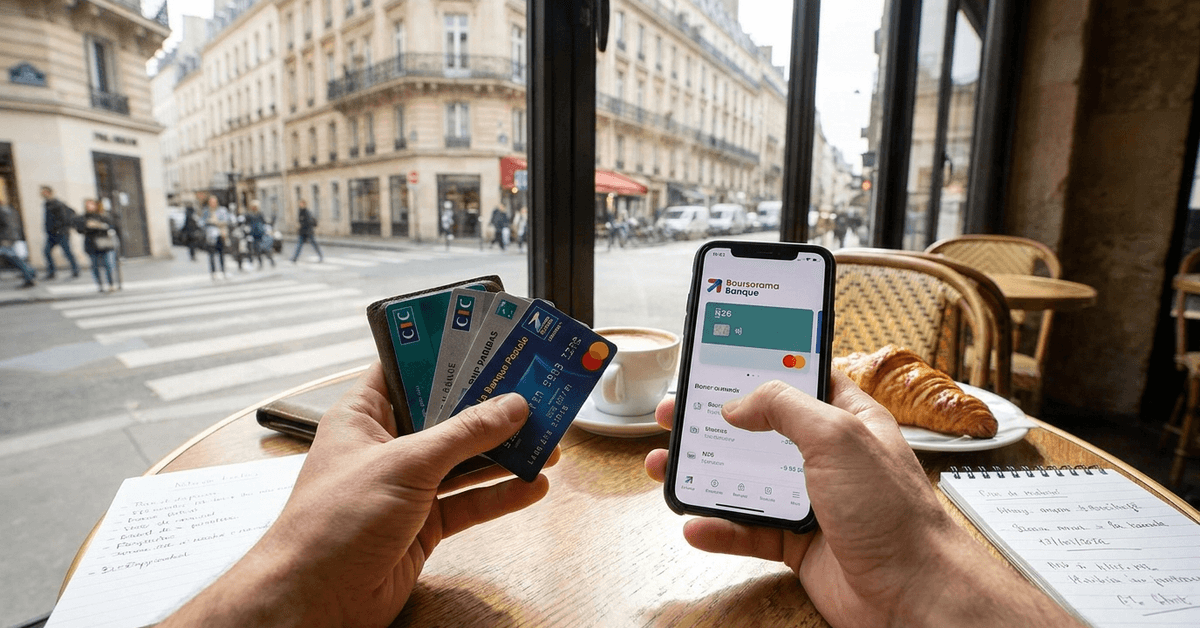
The French banking market is competitive. With so many providers—CIC, BNP Paribas, Société Générale, La Banque Postale, and more—choices aren’t always clear.
Sometimes, it’s easy to assume all banks offer the same rates and perks, but the differences can be substantial for annual fees, foreign transaction charges, rewards, and more.
Perhaps these differences make sense if you travel often or value online shopping security. For others, it’s mostly about peace of mind.
Understanding the CIC Credit Card Lineup
CIC, also known as Crédit Industriel et Commercial, is a well-known French banking group.
Their credit cards are often linked to robust current account services, and while their range isn’t as flashy as some neobanks, CIC is known for reliability and support.
If you live or work in France, you’ve probably noticed their branches in most cities and towns.
Types of CIC Credit Cards
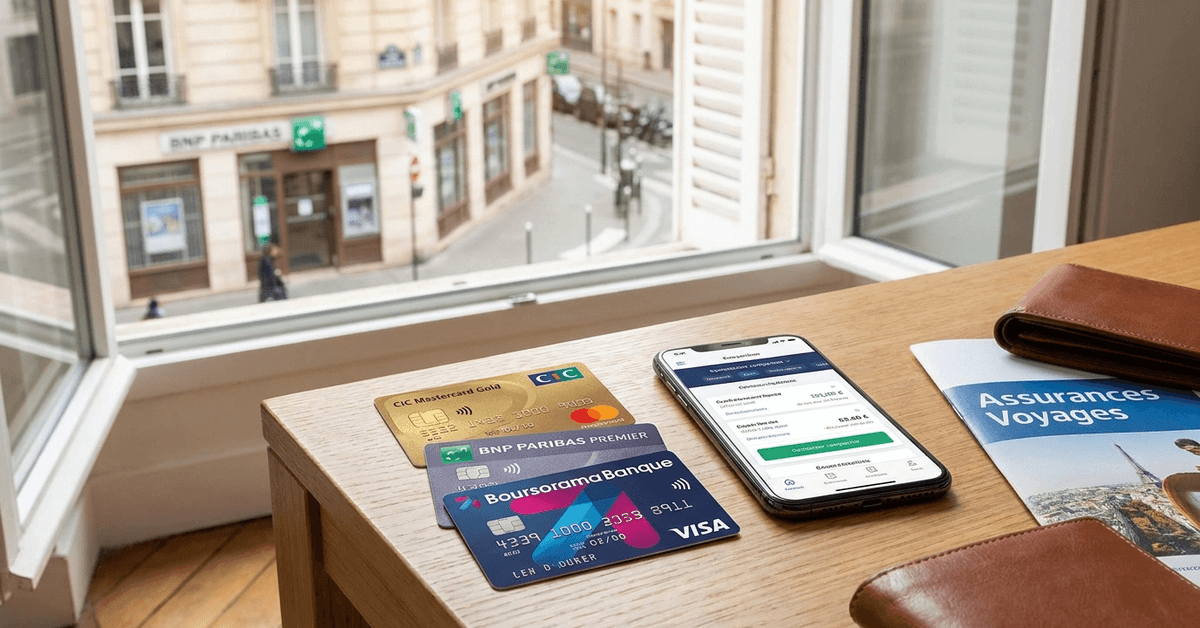
- CIC Mastercard Standard: Suitable for day-to-day use, online purchases, and local shopping. Limits and insurance differ based on your account type.
- CIC Mastercard Gold: Ideal for those wanting extra perks, like stronger travel insurance or higher spending limits.
- CIC Mastercard Platinum: Generally for clients with more demanding financial needs or frequent travelers. Benefits include dedicated support and premium insurance.
Security and Support Features
CIC cards come with standard European chip-and-PIN security, two-factor authentication for online payments (3D Secure), and insurance for fraud or theft cases.
CIC’s 24/7 customer support is a point of pride, especially for urgent situations. Having a local branch can sometimes make a difference, particularly if you prefer face-to-face problem solving.
Key Factors When Comparing CIC with Other French Banks
Diving into comparisons helps clarify which card works for your needs. Below are core differences and considerations between CIC and other leading banking options in France.
Annual Fees and Account Costs
One of the first things people ask is about annual card fees. CIC charges moderate annual rates which may vary by card level and client profile.
Some online banks, such as Hello bank! or Boursorama, occasionally offer zero annual fees—though those cards may lack certain insurance or branch services.
Transaction Costs Abroad
French banks typically charge 1–2% for non-euro transactions. CIC is fairly standard here, but some competitors, especially digital banks, offer international cards with no or low foreign fees. Travel habits may influence which route fits best.
Rewards and Cashback
Honestly, rewards programs aren’t always as generous in France as in some countries. CIC offers limited cashback or partner discounts, unlike some international cards. That said, French banks often prioritize travel or insurance advantages over cashback perks.
Ease of Opening and Managing Accounts
With CIC, account setup often requires a branch visit and some paperwork, unlike neobanks like N26 or Revolut that focus on speedy online onboarding.
Still, people who value local service—or feel wary about 100% digital banking—sometimes appreciate this more hands-on approach.
Comparing Top French Bank Credit Cards: Quick Reference
| Bank | Card Example | Annual Fee | Foreign Fees | Notable Perks |
|---|---|---|---|---|
| CIC | Mastercard Standard | ~40€ | 1–2% | Branch support, travel insurance |
| BNP Paribas | Visa Classic | ~44€/year | ~2% | Travel assistance, insurance |
| La Banque Postale | Visa Essentielle | ~32€/year | 1–2% | Low-fee card for essentials |
| Boursorama Banque | Ultim | 0€ (with conditions) | 0% (non-euro) | Free withdrawals abroad |
How to Choose a French Credit Card Based on Your Needs
Deciding on a card comes down to what you value. Is face-to-face support a priority? Or maybe you want the lowest costs because you rarely travel?
CIC sometimes hits a sweet spot for in-person help, but digital banks are rapidly closing the gap for tech-savvy users. It’s rarely just about one feature.
For Everyday Shoppers
An affordable standard card with manageable limits like the CIC Mastercard Standard might be enough. Simple fees and basic insurance will suit most French residents.
For Frequent Travelers
Cards with extra insurance and low foreign fees, such as CIC Gold or select neobank cards, might provide more peace of mind. Still, it’s tricky; sometimes one’s travel is too rare for the annual cost to be justified.
For Expats or New Residents
Local branch support can be invaluable—especially if unfamiliar with French bureaucracy.
CIC and other traditional banks might take a bit more paperwork, but they offer guidance through the process.
Security Considerations When Using CIC and Other Cards
European consumers generally enjoy strong security standards. All CIC cards include EMV chips and strong online payment protections—like the double-verification step called “3D Secure.” Other banks use similar features, so the real difference is sometimes in how quickly issues are resolved if something does go wrong.
Legal and Tax Considerations
In France, credit card users rarely face direct tax implications from card use itself. Still, interest paid on credit lines, or late repayment fees, might impact your annual tax situation.
CIC and other major banks provide clear annual statements, which most find helpful during tax season. If you operate a business or side hustle, consider speaking with a local accountant—rules change often, and bank advisors tend to stay general in their guidance.
Tips for Responsible Credit Card Use in France
- Avoid revolving credit plans if possible—interest rates in France can be notably high.
- Always double-check insurance terms; not all cards offer the same travel or purchase protections.
- When abroad, consider dynamic currency conversion costs; paying in euros is usually safer.
- Store your CIC banking app PIN separately from the card for extra security.
- Be wary of phishing emails or scams posing as your bank—CIC and top French banks never ask for full credentials by email.
Alternative Banking Trends: Neobanks and Digital Credit Cards
The rise of mobile-first banks like N26, Revolut, and Orange Bank is changing how people in France approach credit.
These platforms typically offer slick apps, instant notifications, and often better rates abroad. However, customer service is rarely as personal, and certain services (like cashier’s checks) might still require a traditional bank like CIC.
Are Digital Accounts Right for You?
Some value the freedom and flexibility, especially younger professionals or international students.
For others, the reassurance of an established local branch carries more weight, even if it costs a little extra. Sometimes, people open both types of accounts, just in case.