Finding low interest student credit cards in Belgium is an important step for managing financial responsibilities during your studies.
Several banks in Belgium offer credit cards designed for students, with features like low fees, spending limits, and built-in protections.
This article explores the best student credit card options with low interest rates, their features, costs, benefits, eligibility requirements, contact details, and how to apply.
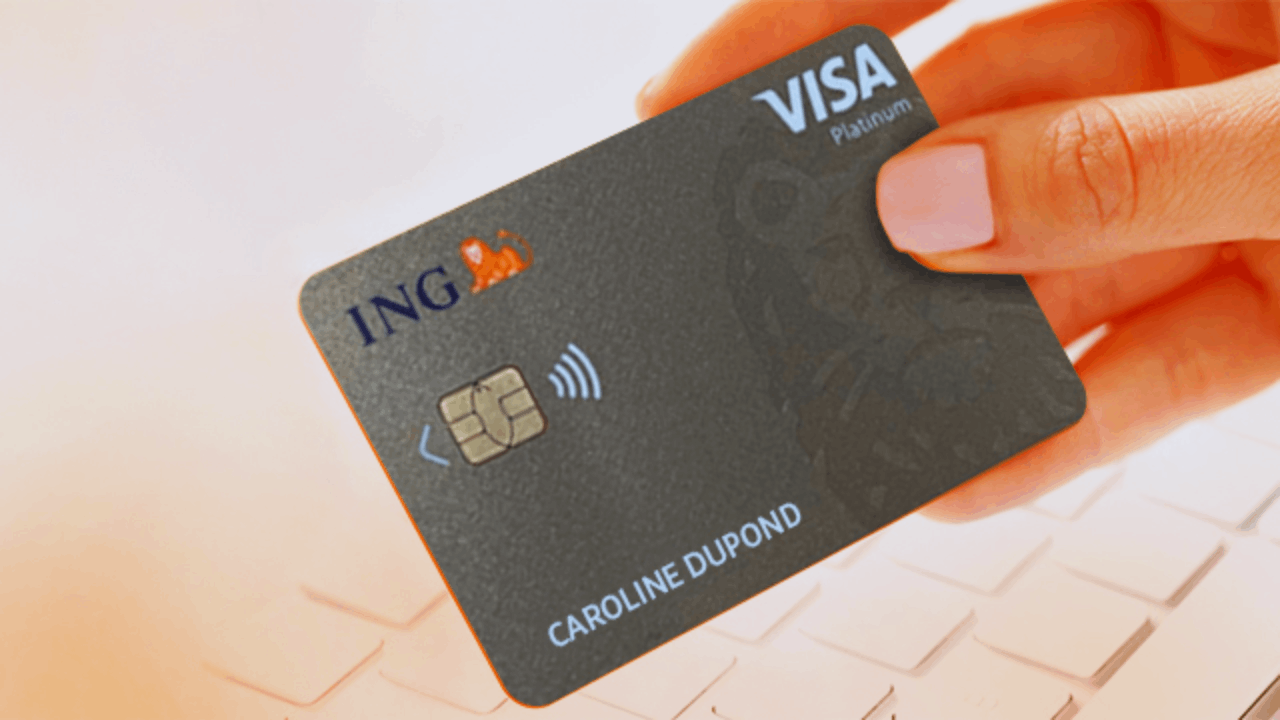
Top Low-Interest Student Credit Cards in Belgium
Banks across Belgium have introduced student credit cards that come with reduced interest rates and favorable terms.
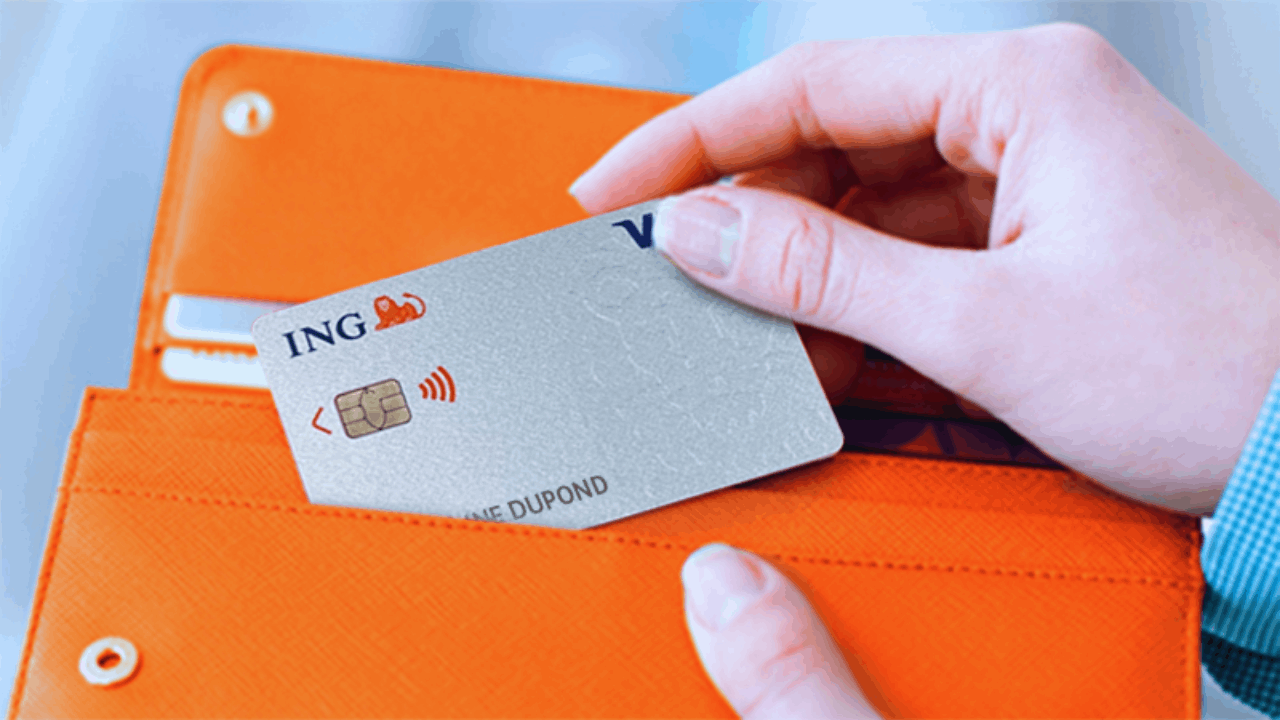
These cards often carry lower limits, digital tools, and key protections. ING, Beobank, and Keytrade Bank offer some of the most popular options.
Each provider tailors its offer to meet the needs of students in terms of flexibility, security, and cost efficiency. Below is an overview of the top choices available.
ING Student Credit Card
The ING student credit card is designed for individuals aged 18 to 25 and comes with a low annual subscription fee. It offers a modest monthly spending limit to help students manage everyday purchases.
The card is linked to the ING app, allowing full digital control, transaction alerts, and temporary card freezing if needed.
Students receive monthly billing summaries to track their usage clearly. This card is suitable for occasional spending with low financial risk.
Beobank Young Mastercard
Beobank’s Young Mastercard is specifically built for students and includes a very low yearly fee. It offers an introductory credit limit and includes built-in protections such as purchase insurance and online fraud cover.
The interest rate is lower than standard cards, making it an affordable tool for limited borrowing.
It can be used worldwide, and all transactions can be monitored through Beobank’s digital platform. The card promotes responsible credit behavior while providing necessary flexibility.
Keytrade Student Visa Card
Keytrade Bank offers a student Visa credit card with low fees and favorable repayment conditions.
Students benefit from a simple credit structure, integrated banking tools, and budget monitoring features. Interest rates remain competitive as long as the user stays within their approved credit line.
The application process is entirely online and suited for tech-savvy users. This card is ideal for those who want full digital management with controlled credit access.
Features and Benefits of Student Credit Cards
Student credit cards with low interest rates are not only budget-friendly, but also come with added tools and protections.

They are structured to prevent overspending while building confidence in managing money. Students benefit from secure payments, expense tracking, and peace of mind through automatic insurance.
Each provider also allows digital access to manage your credit card on your smartphone or computer.
Digital Controls and Budget Visibility
All student credit cards offered in Belgium are supported by mobile apps or internet banking.
These platforms let users set limits, view balances in real time, and receive alerts for each transaction. You can enable or disable online or contactless payments instantly.
Most apps also include budgeting tools that help categorize expenses. These digital features are handy for students balancing school and finances.
Built-In Insurance and Fraud Protection
Credit cards designed for students often include protection features at no additional cost.
These may include purchase insurance, extended warranties for certain goods, and protection against fraudulent online charges. These benefits automatically apply when you use your card for qualifying purchases.
There’s no need to purchase separate coverage or register for extra services. Such features ensure security while allowing flexibility in your spending habits.
Interest Rates and Other Charges
While student credit cards carry lower interest rates than standard credit cards, it’s important to understand the total cost.

Most student cards operate under a deferred payment model, where interest is only charged if the full balance isn’t paid on time.
Other possible charges include fees for international transactions, ATM cash advances, or replacement cards. Understanding these details helps you use the card responsibly and avoid unexpected costs.
Low Annual Percentage Rate (APR)
Student credit cards in Belgium generally come with an APR between 12% and 14%, which is lower than regular consumer cards.
These rates apply only when the user doesn’t pay the full balance by the due date. If you repay your monthly balance in full, you avoid all interest charges.
This model supports responsible borrowing and minimizes costs over time. Banks clearly state the applicable rate at the time of application.
Common Fees Beyond Interest
Some charges apply regardless of interest. Foreign currency purchases may include a currency conversion fee.
Withdrawing cash from an ATM using your student credit card typically incurs additional charges. Replacement cards, manual statements, or late payments may also trigger small fees.
Knowing these details helps you plan ahead and avoid unnecessary expenses, especially when traveling or shopping online.
Why Choose a Low-Interest Student Credit Card
Choosing a student credit card with a low interest rate is a smart financial move.

These cards give you flexibility to handle small emergencies, build a credit history, and learn about managing money in a safe environment.
With digital tools and limited credit ceilings, students stay protected while gaining financial independence. Low costs and essential protections make these cards ideal for long-term benefits.
Affordable and Controlled Borrowing
Low-interest student credit cards allow you to borrow without excessive fees or penalties. Spending limits are intentionally low to keep your budget intact.
Fees are either waived or minimal, and insurance benefits come built-in. This structure is perfect for students who are new to credit but want some financial flexibility.
As long as you make timely payments, your total costs remain manageable.
Long-Term Credit Building
Using a student credit card responsibly helps build a strong credit profile. Future applications for larger loans or rental agreements often depend on early credit behavior.
By staying within limits, avoiding late payments, and making full repayments, students establish a positive credit history.
This gives them an advantage when they transition into full-time employment or need financial products after graduation.
Requirements to Apply for a Student Credit Card
To qualify for a student credit card in Belgium, applicants generally need to be legal residents between 18 and 25 years old.
You must also have a current account with the issuing bank or open one during the application.
Most banks ask for proof of student status and a basic income source such as a part-time job or scholarship.
A credit assessment will be carried out to ensure responsible lending. Meeting these criteria helps ensure approval.
Eligibility and Required Documentation
To apply, you will need to provide a valid ID, proof of Belgian residency, and confirmation of enrollment at an educational institution.
If applicable, banks may request recent bank statements, confirmation of student grants, or proof of part-time income.
These documents help the bank assess your financial reliability. Submitting clear and complete documentation speeds up the approval process.
Approval Time and Card Activation
Once your application is submitted, approval usually takes between two to five working days.
After approval, the physical card and PIN code are sent separately to your address. Activation can be done through the bank’s mobile app or internet banking portal.
You can begin using the card immediately within your approved spending limit. Alerts and insurance coverage start as soon as the card is activated.
Bank Contacts and Main Office Locations
Here’s where you can find the main credit card providers in Belgium that offer student options.

Check it out if you need further assistance with the cards.
ING Belgium
The main office is located at Avenue Marnix 24, 1000 Brussels. Customer support is available through the ING Banking app, phone hotline, and in-branch services.
You can also manage your student card through the ING website or by visiting a local branch.
Beobank
Their head office is located at Boulevard du Roi Albert II 2, 1210 Brussels.
Beobank offers support through mobile app chat, customer service centers, and phone assistance. Card blocking and insurance-related services are also available 24/7.
Keytrade Bank
Their head office can be located in Brussels. Customer support is offered through secure messaging inside your Keytrade account, as well as a dedicated phone line.
The entire application and card management process is online.
How to Apply for a Student Credit Card
Applying for a student credit card in Belgium can be done online, through your banking app, or at a physical branch.

The process involves selecting the right card, completing the personal information form, uploading required documents, and confirming the terms.
Once approved, you’ll receive the card and activation instructions. The card can be used immediately after activation for purchases, travel, or emergencies.
Step-by-Step Online Application
Log in to your bank’s platform and navigate to the credit card section. Select the student card that best suits your needs.
Complete the online form with your personal and academic details. Please upload the required documentation, including proof of student status and valid identification. Submit the form and wait for approval.
Once accepted, activate the card through the app and start using it for daily expenses or travel costs.
Conclusion
Applying for one of the low-interest student credit cards in Belgium gives you financial independence while teaching responsible habits.
By using your card wisely, repaying on time, and keeping costs low, you prepare for a financially strong future. Start your credit journey with confidence—and without high interest.
Note: There are risks involved when applying for and using credit. Consult the bank’s terms and conditions page for more information.