LendingClub has become one of the most recognized names in peer-to-peer lending. It connects borrowers and investors in a way that bypasses traditional banks.
This article explains how LendingClub peer-to-peer loans work, their benefits, and their risks.
By the end, you will understand eligibility, interest rates, and what to expect from both borrower and investor perspectives.
What Are Peer-to-Peer Loans?
Peer-to-peer loans are personal loans funded by individual investors rather than banks.
The LendingClub platform acts as a middleman, linking borrowers with those willing to fund their loans.
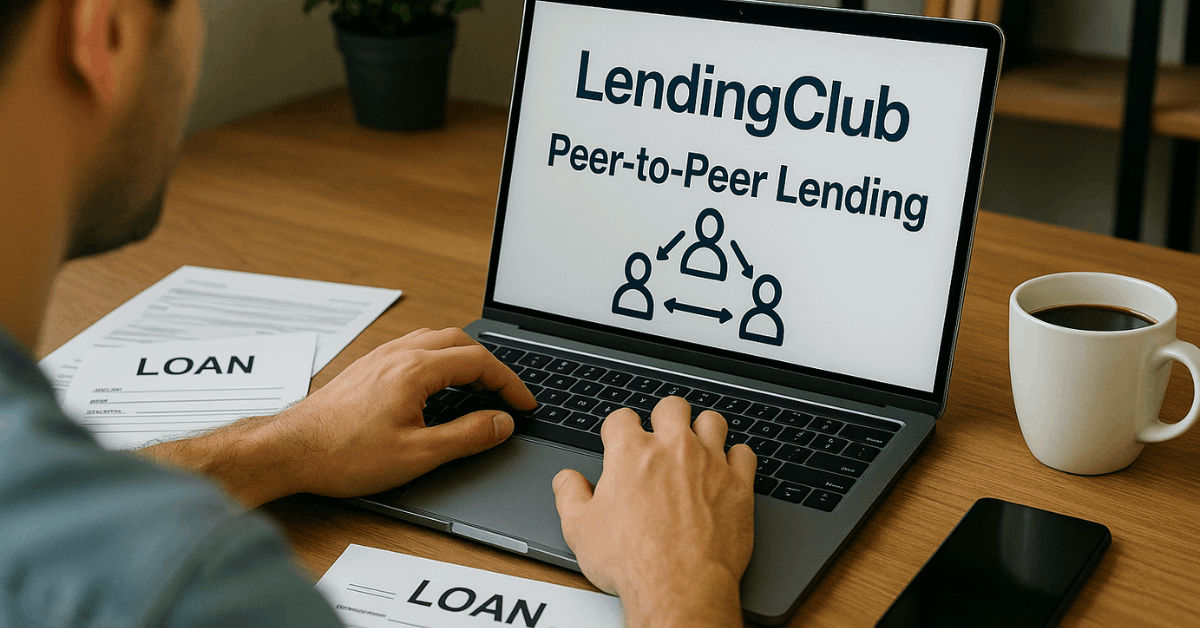
This setup gives borrowers an alternative to banks and gives investors an option to earn returns. It is a straightforward system that matches loan demand with investment supply.
Definition and Concept
Peer-to-peer lending means money comes from investors, not banks. Borrowers submit a request, and investors choose whether to fund.
LendingClub handles credit checks, loan servicing, and repayment. This allows both parties to interact in a regulated environment.
History of Peer-to-Peer Lending
The concept emerged in the mid-2000s, as technology enabled online lending. LendingClub was founded in 2006 and quickly became a leader in the space.
It grew by offering accessible loans and investment opportunities. Over the years, regulations tightened, but LendingClub kept its place as a trusted provider.
How LendingClub Peer-to-Peer Loans Work?
Borrowers and investors both play a role in LendingClub’s system. Each side has a process designed to make the experience simple.
The platform manages transactions to ensure transparency and security. Understanding both perspectives is key to seeing how the model works.
Borrower’s Perspective
Borrowers apply for loans through LendingClub’s website. A soft credit check estimates eligibility without affecting scores.
If approved, borrowers select terms and receive funds once investors back the loan. Repayments are made monthly through LendingClub’s system.
Investor’s Perspective
Investors review available loan listings on the platform. They can choose to invest in portions of loans, spreading risk across many borrowers.
Returns come through monthly principal and interest payments. This system provides consistent opportunities to grow investments.
Eligibility and Requirements
Both borrowers and investors must meet LendingClub’s requirements. These standards ensure that loans are fairly managed and risks are disclosed.
Requirements differ between the two groups. Clear guidelines help keep the process structured and reliable.
For Borrowers
Borrowers generally need a fair to good credit score. Proof of income and steady employment are required.
Loans can be used for debt consolidation, medical expenses, or other approved purposes. Those with unstable finances may face rejection.
For Investors
Investors may need to be accredited depending on state rules. Account creation involves identity verification and funding setup.
A minimum investment amount applies, allowing participation even with small contributions. Diversification across multiple loans is encouraged to reduce risk.
Loan Features and Terms
Loan terms are designed to provide predictability for both parties. LendingClub loans are unsecured personal loans, meaning no collateral is needed.
Borrowers can choose terms that fit their budget. Investors receive repayment based on the borrower’s plan.
Loan Amounts
Borrowers can request between $1,000 and $40,000. The final amount depends on creditworthiness.
Approval rates vary based on borrower history. The system matches investors to requests within this range.
Loan Duration
Most loans run for 36 or 60 months. Shorter terms often carry lower total interest. Longer terms reduce monthly payments but increase interest costs. Borrowers should balance affordability with total repayment.
Repayment Process
Borrowers repay monthly through automatic bank withdrawals. LendingClub collects payments and distributes them to investors.
Missed payments affect credit scores and can lead to collections. Investors rely on steady repayment for expected returns.
Interest Rates and Fees
Interest rates and fees are critical in understanding loan costs and returns. LendingClub sets rates based on borrowers credit grades.
Fees apply to both borrowers and investors. Transparency helps participants understand where money goes.
Borrower Interest Rates
Rates usually range from 6% to 35%. Strong credit leads to lower rates, while weaker credit leads to higher costs.
Debt consolidation loans often have better rates than credit cards. Borrowers should compare options before applying.
Investor Returns
Returns vary based on borrower reliability. Average annual returns range between 4% and 7%.
Defaults reduce earnings, making diversification important. Investors should not expect guaranteed profits.
Fees
Borrowers pay an origination fee of 1% to 6%. Investors pay a 1% service fee on received payments.
These charges support LendingClub’s operations. Clear fee structures make it easier to calculate net results.
Benefits of LendingClub Peer-to-Peer Loans
LendingClub’s model creates advantages for both borrowers and investors. Each side gains access to opportunities not always offered by banks.
While benefits differ, both groups find value in the system. Here are the main points.
For Borrowers
Borrowers can get lower rates than many credit cards. Monthly payments are fixed, making budgets easier to manage.
The online process is fast and user-friendly. Many borrowers use LendingClub to consolidate debt.
For Investors
Investors may earn higher returns compared to savings accounts. Small investment amounts lower barriers to entry.
Portfolio diversification reduces risk exposure. LendingClub’s grading system helps assess borrower quality.
Risks and Considerations
Every loan involves risk. Borrowers and investors must weigh these risks before committing.
Understanding potential downsides helps in making informed choices. LendingClub discloses these factors clearly.
Borrower Risks
Borrowers face penalties for missed payments. Defaults harm credit scores and lead to collection actions.
High interest rates may apply to those with poor credit. Responsible borrowing is essential to avoid long-term issues.
Investor Risks
Investors risk losing money if borrowers default. Economic downturns can raise default rates.
Returns may not match expectations if too many loans fail. Investors must manage risk by spreading funds across many notes.
Alternatives to LendingClub Loans
LendingClub is not the only choice for financing or investing. Borrowers and investors may compare other platforms and traditional options.
These alternatives provide different terms and structures. Exploring them ensures better decisions.
Other Peer-to-Peer Platforms
Competitors like Prosper and Upstart also offer peer-to-peer loans. Each platform has unique features and credit models.
Some focus on younger borrowers or alternative credit data. Choosing the right platform depends on your needs.
Traditional Financing Options
Borrowers can also apply for personal loans from banks. Credit cards and credit unions provide alternatives for smaller needs.
Some lenders may offer secured loans with collateral. These options may be better for those who prefer traditional institutions.
Application Process Step by Step
The application process differs for borrowers and investors. Each side has structured steps to complete.

LendingClub keeps the system efficient and transparent. Following these steps ensures smooth transactions.
Borrowers
Borrowers start with pre-qualification through a soft credit check. They provide income and employment documents.
Approved applicants review loan terms before accepting. Funds are deposited directly into the borrower’s bank account.
Investors
Investors register and verify their identities. They choose which loans or notes to fund.
Accounts are funded through bank transfers. Performance can be tracked through LendingClub’s dashboard.
Contact Details and Support
Customer support is essential for guidance. LendingClub provides several ways to reach its team. Users can resolve account issues or loan questions. Here is the available information.
- Phone: 1-888-596-3157
- Mailing Address: LendingClub Corporation, 595 Market Street, Suite 200, San Francisco, CA 94105
- Website: official website
Disclaimer Section
Loan terms and rates vary based on borrower profiles. Investor returns depend on repayment performance.
The information here may change as LendingClub updates its policies. Always confirm details with the official LendingClub website.
Conclusion – Understanding LendingClub Peer-to-Peer Loans
LendingClub makes borrowing and investing more accessible by connecting people directly. Borrowers benefit from fixed monthly payments and potentially lower interest rates.
Investors enjoy opportunities for higher returns while taking on calculated risks. Always review the current LendingClub terms before applying or investing to make informed decisions.