Improving your credit score in Romania starts with the right financial tools. One of the most effective options is to use a credit card to build credit in Romania.
It allows you to build a history, show consistent payments, and grow financial trustworthiness. This guide outlines best practices, card options, costs, and how to apply.
Understanding Credit Score in Romania
You need to understand how the credit score works before taking action. In Romania, credit scoring is handled by Biroul de Credit, the national credit bureau.
Lenders look at your payment behavior, credit activity, and financial responsibility. A higher score increases your chances of getting loans and better rates.
Missed payments or large debts reduce your credit reliability. Responsible card usage helps you improve this score over time.
Why Credit Cards Help Build Credit?
A credit card is a practical tool for creating a credit profile. Monthly card activity is reported directly to the credit bureau.
This reporting includes both your balance and payment history. Keeping your utilization low and making timely payments supports your score.
Using a card frequently in small amounts is enough. Over time, consistent behavior can lead to stronger approvals and financial trust.
Credit Card vs Debit Card
It’s important to know what makes a credit card different. A debit card pulls from your bank account and doesn’t impact your credit.
A credit card is a borrowed limit you repay later, which creates a financial history. Only credit cards report to Biroul de Credit.
Debit card activity, even with frequent use, won’t help your score. Choose the correct tool if your goal is credit growth.

Best Practices for Credit Building
You need to use your card smartly to get credit results. Simple actions make a strong difference over time.
- Pay on time every month, even if it’s the minimum amount due.
- Keep usage under 30% of your available credit to stay low-risk.
- Use the card monthly, but avoid overspending or cash withdrawals.
- Avoid opening too many cards within a short period.
- Set up automatic alerts to track your due dates and usage.
- Do not close your card without reason, especially if it’s your oldest account.
These actions signal stability and discipline to the credit system.
Mistakes That Harm Your Score
Knowing what hurts your credit is just as important. Even one misstep can cause a score drop.
Late payments are reported immediately and stay visible for years. Using your full credit limit signals poor financial planning.
Applying for multiple credit lines in a short time lowers your score. Canceling older cards erases your credit history. Only use your credit card when you know you can repay it on time.
Interest Rates and Fees to Expect
Romanian credit cards often come with interest if you carry a balance. Interest-free periods usually last up to 56 days.
Typical interest rates range from 17.5% to 26.4% annually. ATM cash withdrawals often incur a 1% to 3% fee on the amount withdrawn.
Foreign currency payments usually include a 1.5% to 2.5% fee. Some cards have annual fees, while others are free if you meet conditions. Always check the full cost sheet before applying.
Five Credit Cards That Help Build Credit in Romania
Some cards are designed to support responsible use while reporting to the credit bureau. Choose one that fits your income and repayment habits.
- BRD Standard Credit Card: Offers bonus points and free STAR loyalty enrollment.
- Raiffeisen Bank Credit Card Standard: Includes real-time spending controls and minimum income requirements.
- Alpha Bank Credit Card: Flexible limits with digital management through Alpha Online.
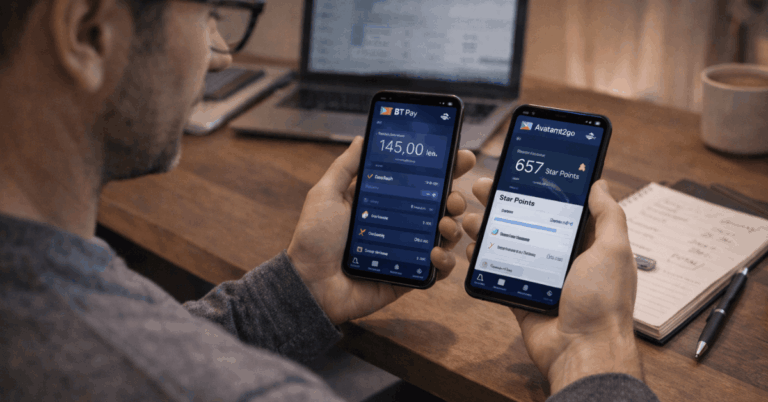
- Banca Transilvania STAR Forte: Great for earning STAR points on every purchase.
- Garanti BBVA Bonus Card: Bonus cashback and in-app spending insights.
Eligibility Rules in Romania
You must meet minimum eligibility rules to apply for any credit card. These include age, income, and residency criteria.
Most banks accept applicants who are 18 years or older. A stable monthly income of at least 1,200–1,500 lei is often required. You’ll need to provide a Romanian ID and proof of income, like salary slips or pension statements.
Non-residents may apply if they have legal residency and income proof. You must also have a clean credit report with no recent defaults.
How to Apply for a Credit Card?
The process is simple and often available both online and at a branch. Most applications take 2 to 5 working days to process.
- Compare available credit cards and choose the one that fits your income, needs, and repayment habits.
- Read the full terms and conditions for fees, grace periods, and interest rates before starting.
- Fill out the application form with your personal and financial information, either online or in-branch.
- Submit required documents, including your Romanian ID and proof of income (such as salary slips or pension statements).
- Wait for the bank’s decision, which usually takes between 2 to 5 business days.
- Receive the card by courier or pick it up at the branch, depending on the issuing bank’s policy.
- Activate your credit card using the mobile app or by calling the official customer service number.
Credit Monitoring and Digital Tools
Romanian banks offer apps and tools to monitor card activity. These tools support credit improvement.
You can set spending alerts to prevent overspending. Real-time transaction logs help you verify purchases. Some apps offer credit score tracking or summaries.
Banks often include reminders for payment due dates. These features keep your usage consistent and predictable. Staying informed is a key part of long-term credit growth.
What Foreign Residents Should Know?
Foreigners with residence in Romania may qualify. However, some extra steps are required during the process.

You’ll need a long-stay permit or official residence document. Proof of income must be Romanian-based, such as a local employment contract.
Some banks ask for a longer minimum employment period. Credit cards may have lower limits for new arrivals. Start small and increase the limit once you show payment reliability.
Helpful Add-On Features for Credit Management
Many cards offer additional benefits that encourage responsible use. These can indirectly support your credit-building goals.
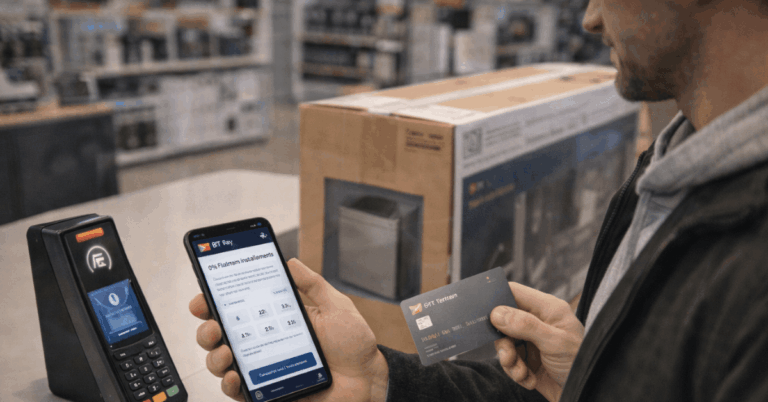
Some banks allow installment splitting for large purchases. Others offer temporary card blocking in case of theft. You can also earn loyalty points without overspending.
Mobile apps give you control over freeze/unfreeze options. Use these features to protect your card and improve financial discipline.
Contact Information for Support
If you need help or want to apply, these are the official contact numbers and addresses of major banks offering business credit cards in Romania.
- Banca Transilvania can be reached at 0264 308 028, and their head office is located at Calea Dorobanților 30‑36, Cluj‑Napoca 400117.
- Raiffeisen Bank offers support via 021 306 3007, with its main office at Calea Floreasca 246D, București 014476.
- BRD Groupe Société Générale operates from Bd. Ion Mihalache 1‑7, București 011171, and the helpline is 0800 803 803.
- Alpha Bank Romania can be contacted at 0800 825 742, with headquarters at Calea Dorobanților 237B, București 010567.
- Garanti BBVA provides assistance at 0800 80 1234, with their office at Sos. Fabrica de Glucoză 5, București 020331.
Disclaimer
Credit card terms, fees, and interest rates may change over time. Always visit the official website of your selected bank for the latest information. This article is for educational purposes only and does not substitute financial advice.
Smart Credit Building Starts with One Step
Using a Credit Card for building a credit score in Romania helps you establish financial reliability over time. Responsible usage improves approval chances for future loans and services.
Paying on time and keeping balances low supports steady score growth. Consistent habits deliver long-term financial benefits.