Learning to cook opens up new opportunities in your daily life.
Whether you’re a total beginner or looking to refine your skills, a cooking course provides the structure and support to improve quickly.
This guide will help you select the right course and embark on your culinary journey with confidence.
Why Take a Cooking Course?
A cooking course helps you improve fast with clear steps and practical tips. No more guessing through recipes.
Here’s why it’s worth it:
- Learn Core Techniques: Understand the basics, such as chopping, sautéing, boiling, and baking, the right way.
- Avoid Common Mistakes: Get direct feedback to fix habits that slow you down or ruin meals.
- Cook More Confidently: Stop second-guessing measurements, cooking times, and ingredients.
- Try New Recipes with Ease: Expand your weekly menu and try global dishes without feeling lost.
- Save Time and Money: Reduce takeout costs and waste less food by planning and cooking smarter.
- Develop a Long-Term Skill: Cooking is a valuable life skill, whether you’re feeding yourself or others.
Types of Cooking Courses Available
There’s a cooking class for every learning style and schedule.
Whether you prefer learning at home or hands-on in a kitchen, you’ve got options.
Here are the main types to choose from:
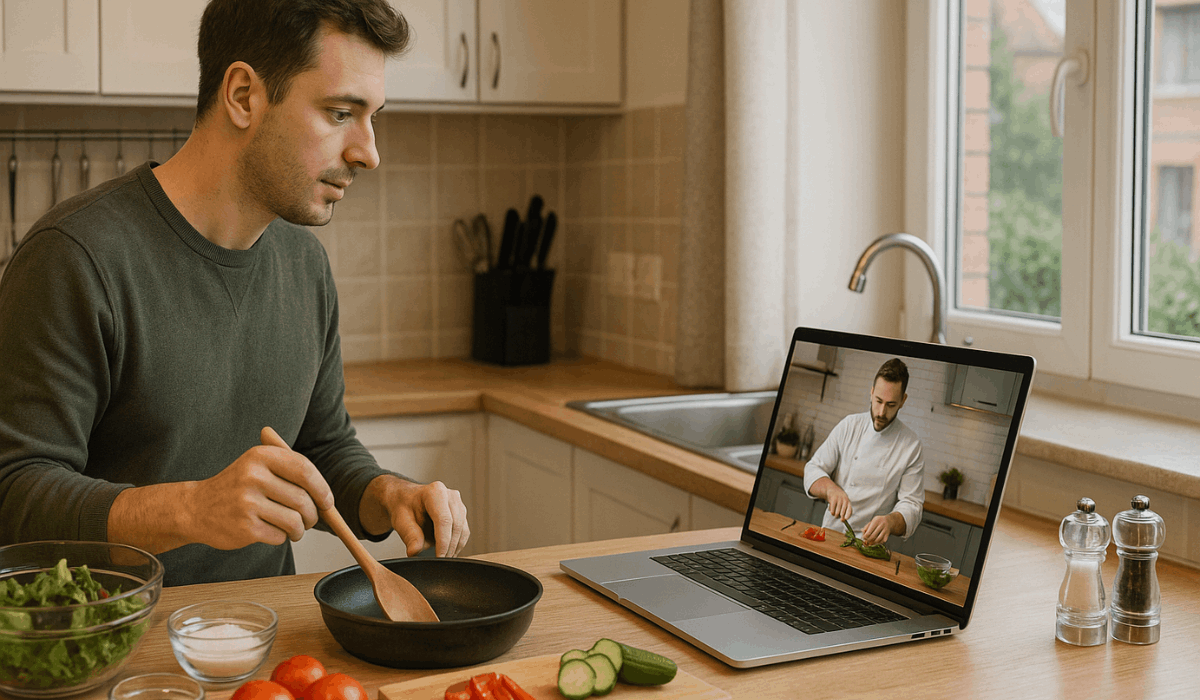
- Online Courses: Learn at your own pace from the comfort of your own home. Great for flexibility and convenience.
- In-Person Classes: Hands-on training with real-time feedback. Ideal for learning by doing.
- Workshops and Bootcamps: Short, intensive sessions focused on specific skills or cuisines.
- Specialty Courses: Explore baking, vegan cooking, regional cuisine, or advanced techniques.
- Culinary School Programs: Full programs for those pursuing professional chef careers.
- Free Community or Library Classes: Local options that offer basics with no or low cost.
How to Budget for a Culinary Course
Planning your budget before enrolling in a cooking class helps you avoid overspending.
You’ll need to consider more than just the course fee—tools, ingredients, and time all matter.
Here’s how to manage your costs wisely:
- Set a Clear Budget Limit: Determine how much you can realistically afford to spend on the course and supplies.
- Compare Course Prices: Online options are often cheaper than in-person classes. Some offer monthly plans or lifetime access.
- Look for Free or Low-Cost Courses: Try YouTube channels, public workshops, or trial lessons to start without spending much.
- Factor in Equipment Costs: Check if the course requires specific tools, such as mixers or digital thermometers.
- Include Ingredient Expenses: Some classes require you to cook alone, so plan for weekly grocery costs.
- Watch for Extra Fees: Some platforms charge for certificates, course add-ons, or premium content.
What You’ll Need: Tools for Beginners
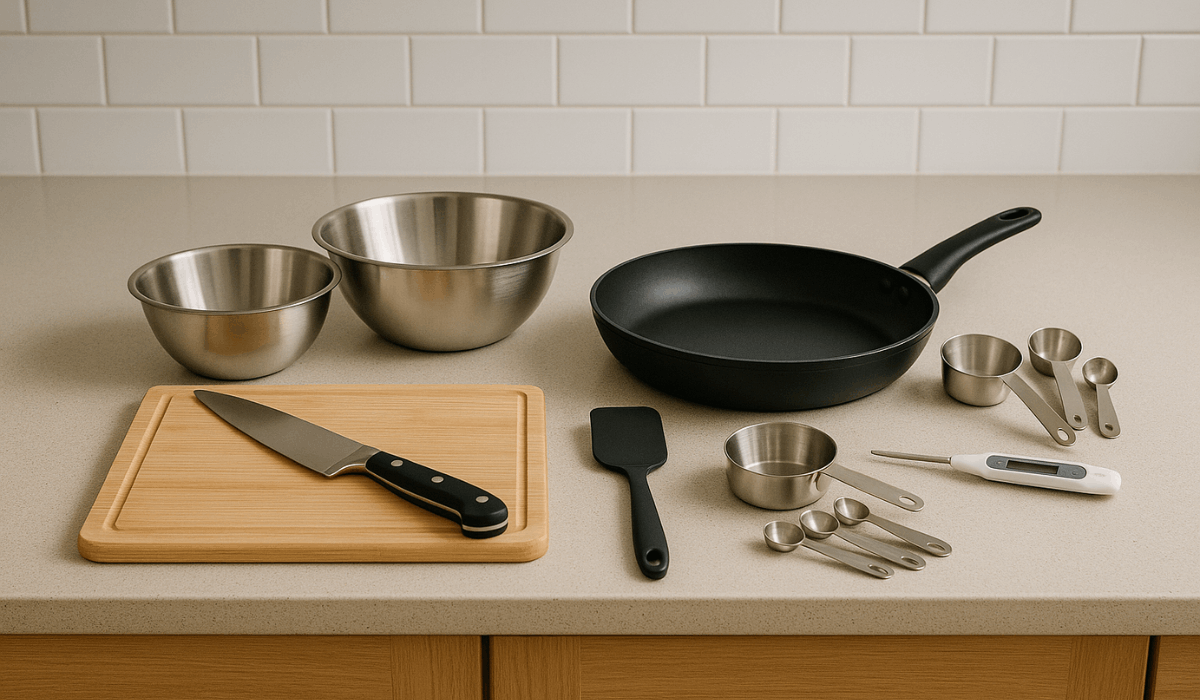
Starting a cooking course doesn’t mean buying everything at once. Focus on the basics that help you complete most recipes confidently.
Here’s a list of essential tools for beginners:
- Chef’s Knife: A sharp, sturdy knife is your most important kitchen tool.
- Cutting Board: Use a non-slip board for safe and clean prep.
- Measuring Cups and Spoons: Accurate measurements help your dishes turn out right.
- Mixing Bowls: Handy for prep, mixing, and marinating.
- Nonstick Pan and Saucepan: Ideal for frying, boiling, and simmering with ease.
- Spatula, Wooden Spoon, and Tongs: Basic tools for stirring, flipping, and handling hot food.
- Baking Sheet or Tray: Useful for roasting, baking, or prepping ingredients.
- Digital Thermometer (Optional): Helps check meat or oven temps for safety and accuracy.
Popular Cooking Courses to Consider
Numerous reliable platforms and schools offer beginner-friendly cooking workshops.
Some are free or low-cost, while others offer deep, structured learning.
Here are a few to explore:
- Udemy – “Essential Cooking Skills”
This course teaches core techniques, including chopping, stocks, sauces, eggs, pasta, and more, covering 17 essential methods.
- Udemy – “Basic Cooking Skills for Beginners”
It focuses on meat, fish, vegetables, pasta, and rice, using methods such as frying, roasting, boiling, and poaching.
- Udemy – “Cooking 101: Kitchen Basics to Advanced”
It covers stocks, soups, knife skills, butchering, emulsification, eggs, searing fish, and more, with approximately 5 hours of video.
- MasterClass – “Gordon Ramsay Teaches Cooking”
It features over 15 lessons on essential techniques and dishes taught by Gordon Ramsay, with lifetime access through a subscription.
- America’s Test Kitchen Online Cooking School
It offers structured lessons on recipes and techniques for novice to advanced cooks, with in-depth instruction from test‑kitchen experts.
What to Look for in a Culinary Course
Not all cooking courses offer the same value. Before signing up, ensure the course aligns with your goals, budget, and skill level.
Here’s what to check:
- Clear Learning Structure: The course should have a step-by-step plan, not just a collection of random recipes.
- Instructor Experience: Choose instructors with real kitchen or teaching experience.
- Skill Level Match: Make sure it’s designed for your level—beginner, intermediate, or advanced.
- Video Quality and Demonstrations: Good visuals make it easier to follow and practice techniques.
- Hands-On Practice: Look for assignments or cooking tasks that allow you to apply what you have learned.
- Student Reviews and Ratings: Check what past learners say about the course’s value and clarity.
- Support and Feedback: Some courses offer forums, Q&A sessions, or direct contact with instructors.
- Certificate or Recognition (Optional): If you’re learning for work or career growth, a certificate can help.
How to Choose the Right Course for You
With numerous cooking courses available, selecting the right one can be overwhelming.
The best choice depends on your goals, schedule, and learning style.
Here’s how to make the right call:
- Know Your Purpose: Are you cooking for fun, health, family, or a future career?
- Match Your Skill Level: Choose a beginner course if you’re starting, or opt for an intermediate or advanced course if you already cook regularly.
- Check the Time Commitment: Choose short lessons if you’re busy, or opt for longer, in-depth classes if you want to dive deeper.
- Compare Learning Formats: Online is flexible, while in-person is more hands-on—decide which one fits you best.
- Read Course Descriptions Carefully: Ensure it teaches practical techniques, not just random recipes.
- Watch Previews or Sample Lessons: A quick preview will help you determine if the style suits your needs.
- Check What’s Included: Some courses come with recipes, shopping lists, or support groups. Look for extras that help you stay on track.
Tips to Make the Most of Your Cooking Course
Taking a course is just the start—you’ll get the best results by staying consistent and engaged.
These tips will help you learn more effectively and develop lasting skills.
Here’s how to make the most of it:
- Practice Regularly: Set a schedule and cook frequently to reinforce what you’ve learned.
- Start With Simple Recipes: Build confidence with easy dishes before trying complex ones.
- Take Notes as You Go: Write down techniques, tips, and what worked or didn’t.
- Record Your Progress: Snap photos or videos to track your improvements over time.
- Ask Questions When You’re Stuck: Utilize course forums or communities to seek help and stay motivated.
- Try New Ingredients: Expand your skills by cooking with unfamiliar herbs, spices, or vegetables.
- Stay Organized in the Kitchen: Prepare your tools and ingredients before each session (mise en place).
The Bottomline
A cooking course helps you build fundamental kitchen skills that last a lifetime.
It’s a smart way to learn faster, stay motivated, and cook with confidence.
Enroll in a cooking course today and take the first step on your culinary journey.